


We use cookies to improve your online experiences. To learn more and choose your cookies options, please refer to our cookie policy.
February 19, 2026
Why social media comparison and the pressure to perform affects teens

Social media has become one of the primary spaces where teens explore identity, friendships, and self expression. While these platforms can foster creativity and connection, they also create an environment where comparison is constant.
Research shows that adolescents are particularly sensitive to social comparison because peer approval plays a central role in identity development during this stage of life. [1] When teens scroll through curated images of success, beauty, achievement, and popularity, they may begin measuring their own worth against unrealistic standards.
Unlike real life interactions, social media presents highlight reels rather than the full reality of people’s lives. Yet teens often absorb these curated images as if they represent the norm.
Continue reading to learn how social media comparison affects teen identity and what parents can do to help their children build confidence in a digital world.
Why Teens Are Especially Vulnerable
Adolescence is a developmental period marked by heightened sensitivity to social evaluation. Brain imaging studies show that areas involved in reward processing and social feedback are highly active during teenage years, plus regions responsible for emotional regulation are still maturing. [2] This combination can make social validation feel extremely powerful.
Likes, comments, and follower counts activate the brain’s reward systems in ways that reinforce repeated checking and posting behaviors. [3] As a result, teens often begin to equate visibility with value.
From Comparison to Performance
When comparison becomes constant, performance often follows. Teens may feel pressure to present a carefully constructed version of themselves online by altering photos, exaggerating achievements, or curating content designed to gain approval.
Research has linked frequent social comparison on social media to increased anxiety, depressive symptoms, and lower self esteem among adolescents [4]. The pressure to maintain a certain image can also lead to perfectionistic tendencies, where mistakes feel public and permanent.
Instead of asking, “Who am I becoming?” teens may begin asking, “How am I being perceived?” That shift can significantly impact confidence and authenticity.
The Psychological Cost of Performative Identity
When teens feel they must constantly manage how they appear online, it can create emotional exhaustion. Studies indicate that heavy social media use combined with appearance based comparison is associated with body dissatisfaction and mood disturbances, especially among teenage girls. [5]
Performative behavior can also limit healthy risk taking. If teens fear embarrassment or criticism, they may avoid trying new activities unless success seems guaranteed. Over time, this can interfere with genuine growth and resilience. Identity development should be exploratory and flexible, not constantly evaluated.
How Parents Can Help at Home
Research consistently shows that supportive parental involvement reduces the negative psychological impact of social media use. [6] The goal is not immediate restriction, but guidance and open communication.
Parents can support teens by:
1. Modeling Healthy Digital Behavior
Teens observe adult habits. Limiting comparison based talk and demonstrating balanced technology use sets a powerful example.
2. Encouraging Offline Competence
When teens build skills and confidence through sports, arts, academics, or service, their sense of identity becomes rooted in lived experience rather than online validation.
3. Talking About Algorithms and Curation
Help teens understand that social media platforms are designed to promote idealized content. Discuss how images are filtered, edited, and strategically posted.
4. Asking Reflective Questions
Instead of asking how many likes they received, ask how certain content made them feel. Questions such as “Did that post inspire you or make you feel pressured?” build emotional awareness.
5. Creating Tech Free Spaces
Designating certain times or areas in the home as phone-free supports mental reset and reduces constant comparison cycles.
Building Identity Beyond the Screen
Teens need opportunities to define themselves outside of metrics and performance. When families emphasize character, effort, kindness, and personal growth over public image, adolescents develop a stronger internal sense of self.
Confidence that comes from within is more stable than confidence that depends on online feedback.
Social media is not inherently harmful, but without guidance, it can quietly shape identity in ways that increase anxiety and reduce authenticity. With support, teens can learn to use digital platforms thoughtfully rather than letting those platforms define their value.
Supporting Healthy Identity Development at Our School
At Windermere Preparatory School, we recognize that academic success and emotional well-being are deeply connected. Through digital literacy education, social emotional learning programs, and strong mentorship relationships, we help students build confidence rooted in character rather than comparison.
We work closely with families to encourage balanced technology use and to foster environments where students feel valued for who they are, not how they appear online. By partnering together, we can guide teens toward authentic self development in both digital and real world spaces.
Interested in learning more about our school?
Get in touch with one of our Admissions Officers.
Sources:
1: Steinberg, L. 2014. Age of Opportunity: Lessons from the New Science of Adolescence.
2: Blakemore, S. J., and Mills, K. 2014. Is Adolescence a Sensitive Period for Sociocultural Processing? Annual Review of Psychology.
3: Sherman, L. et al. 2016. The Power of the Like in Adolescence. Psychological Science.
4: Nesi, J., and Prinstein, M. 2015. Using Social Media for Social Comparison and Feedback Seeking. Journal of Abnormal Child Psychology.
5: Fardouly, J., and Vartanian, L. 2016. Social Media and Body Image Concerns. Current Opinion in Psychology.
Related news
News image ![Aerial view of Windermere Preparatory School featuring 2027 Niche Best Schools recognition for Private High Schools, Private K-12 Schools, and Boarding Schools.]() News
News
 News
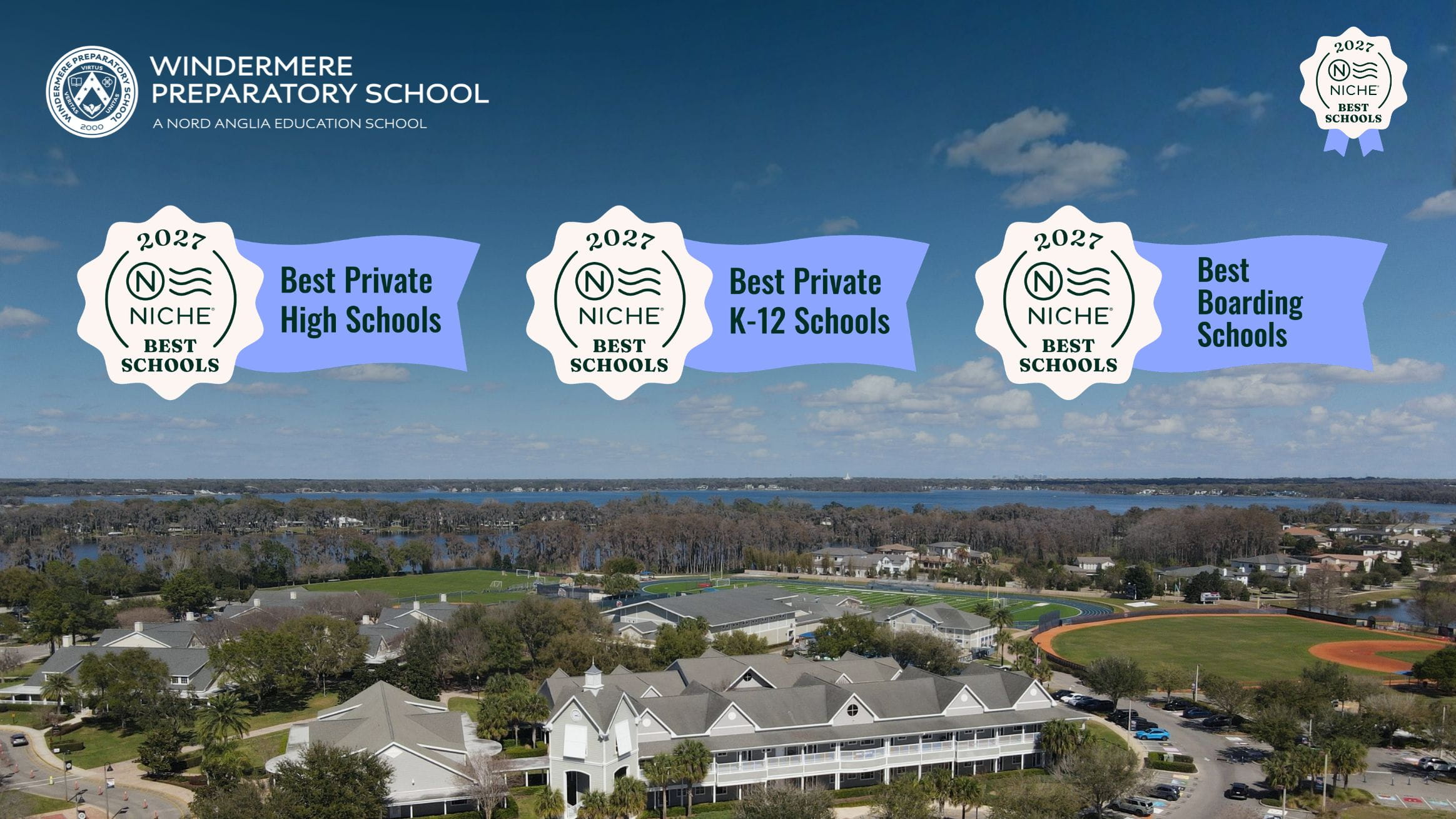
News Windermere Prep Ranked #1 Best Private High School in Orange County in Niche 2027
Windermere Preparatory School maintains its #1 private school rankings in Orange County for the fourth consecutive year, with additional recognition among the top private and boarding schools nationwide.
News image ![Windermere Preparatory School boarding students walking together through the residential life community in Orlando, Florida.]() Blog
Blog
 Blog
Blog Why Choose a Boarding School in Florida? A Unique Educational Experience in Orlando
Discover the benefits of boarding school in Florida, where academic excellence, world-class opportunities, and vibrant student life come together in Orlando.

.svg?rev=9fe0e392449346898bfb5359a1712c74&hash=2E8D39D3559552B6E795631213A05C02)

.svg?rev=c1fad1a5d67c42c181bab95cecd7c167&hash=1870839504BB90C30A203B0F1EEDAE8E)
