

We use cookies to improve your online experiences. To learn more and choose your cookies options, please refer to our cookie policy.

January 29, 2026
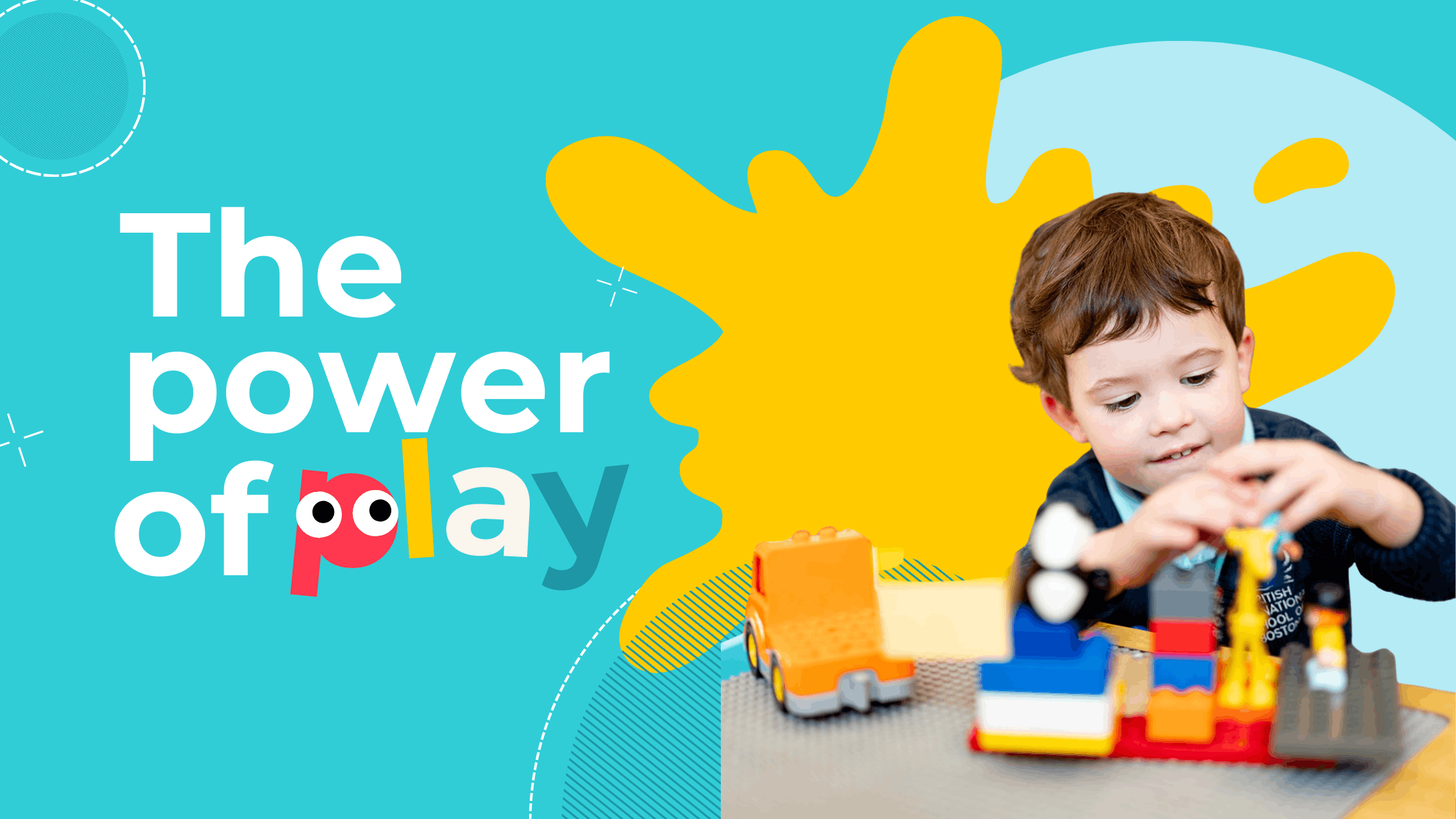
Top 5 Benefits of Play-Based Learning

A WORLD-CLASS EDUCATION
British International School of Boston gives your child just the right balance of support and challenge that they need to accelerate through their strengths. We welcome you to visit our campus to meet our talented teachers and see our world-class learning experiences firsthand.
Inquire nowWhy play matters more than you might think
When young children play, they are not just playing. They are testing ideas, building confidence, and learning how the world works.
At The British International School of Boston (BISB), play-based learning sits at the heart of our Early Years programme. It gives children the space to explore, ask questions, and learn in ways that feel natural and meaningful to them.
Here are the five biggest benefits of play-based learning, and why it makes such a strong start to your child’s education.
1. Play builds strong foundations for learning
Children learn best when they are engaged. Play captures their attention and turns curiosity into action.
Through carefully planned play, your child begins to understand early maths, language, and problem-solving skills. They count as they build, tell stories as they role-play, and experiment as they explore materials.
This kind of learning sticks because it is active, not passive.
At BISB, our teachers design play experiences that support the British Early Years Foundation Stage curriculum while allowing children to follow their interests.
2. Play develops confidence and independence
Play gives children choices. What to build. How to solve a problem. Who to work with.
Each decision helps your child develop confidence and independence. They learn that their ideas matter and that mistakes are part of learning.
Over time, children become more willing to try new things, speak up, and take responsibility for their learning.
3. Play strengthens social and emotional skills
Some of the most important learning happens between children.
Through play, your child learns how to share, take turns, listen, and negotiate. They learn how to manage emotions and build friendships.
At BISB, play-based learning supports wellbeing by creating a calm, joyful environment where children feel safe and supported.
4. Play encourages creativity and critical thinking
Play invites children to imagine, design, test, and rethink.
Whether they are building a bridge, creating a story, or exploring materials, children learn how to think critically and creatively.
These skills form the foundation for STEAM learning and innovation in later years.
5. Play supports language and communication
Play creates constant opportunities for talk.
Children explain their ideas, ask questions, and learn new words as they interact with teachers and classmates.
A strong start that lasts
Play-based learning is a powerful approach that supports academic success, wellbeing, and a lifelong love of learning.
If you would like to see play-based learning in action, we would love to welcome you.
Book a school tour or contact our admissions team to learn more about our Early Years program.
Related news
News image ![The Power of Play]() Blog | TeachingPractice | Advice and Guidance
Blog | TeachingPractice | Advice and Guidance
Blog | TeachingPractice | Advice and Guidance Top 5 Benefits of Play-Based Learning
Discover the top 5 benefits of play-based learning and how BISB helps young children build confidence, wellbeing, and strong learning foundations. Enquire today.
News image ![Where Will Your Child Thrive? : Key Questions to Consider When Looking for the Right School - Where Will Your Child Thrive]() Blog | Admissions | Advice and Guidance | Homepage Featured Article | Athletics | Student Success
Blog | Admissions | Advice and Guidance | Homepage Featured Article | Athletics | Student Success
 Blog | Admissions | Advice and Guidance | Homepage Featured Article | Athletics | Student Success
 Where Will Your Child Thrive? : Key Questions to Consider When Looking for the Right School
Choosing a school is one of the most important decisions a family will make. While academics, rankings, and facilities all play a role, finding the right fit goes much deeper. In this guide, we explore five key factors every parent should consider during their school search, including curriculum, student wellbeing, extracurricular opportunities, community, and long-term growth. Discover how the right learning environment can help your child build confidence, develop their passions, and thrive both inside and outside the classroom.
News image ![Why a Diverse Extracurricular Program Helps Students Discover Who They Are - Importance of Diversified Extra Curriculars]() Blog | Advice and Guidance | Arts and Culture | Athletics | Student Success
Blog | Advice and Guidance | Arts and Culture | Athletics | Student Success
 Blog | Advice and Guidance | Arts and Culture | Athletics | Student Success
 Why a Diverse Extracurricular Program Helps Students Discover Who They Are
At British International School of Boston, learning goes beyond the classroom. Through clubs, arts, sports, STEAM, outdoor learning, languages, and Nord Anglia global opportunities, students are encouraged to try new things, discover their passions, and develop the confidence, creativity, and character they need to thrive.
News image ![Made the Switch? Here's how to Help Your Child Adjust to a New School - Adjusting to a New School]() Blog | Homepage Featured Article | Student Success | Advice and Guidance
Blog | Homepage Featured Article | Student Success | Advice and Guidance
 Blog | Homepage Featured Article | Student Success | Advice and Guidance
 Made the Switch? Here's how to Help Your Child Adjust to a New School
Made the switch? Starting at a new school can be both exciting and challenging for children and parents alike. Discover practical tips to help your child build confidence, make new friends, and settle into their new school community with ease.