Starting an international school is a big step. New teachers, new friends, a new curriculum and, for some children, a completely new language of learning. That is a lot for any child to take on at once.
The good news is that with the right preparation, most children settle in far faster than their parents expect. In this article, you’ll find a few tips on what to expect – and how to prepare your child for the best start at their new school.

28 April, 2026
How to Prepare Your Child for an International School in Hungary
.jpg?h=499&iar=0&w=887&rev=35f060fe9e514f7cbb8f8b0a7dcce30b&hash=F8D860393D5500684A0233E22F29EF2F)
Moving from a Hungarian school
If your child is moving from a Hungarian state school or a Hungarian private school, the shift to an international school will feel significant at first, and that is completely normal.Hungarian schools tend to follow a more teacher-led approach, with a clear emphasis on memorisation, formal assessment and structured classroom discipline. The British curriculum works differently. It encourages children to ask questions, explore ideas and express their own thinking. For a child used to listening and reproducing, being asked to analyse or discuss can feel unfamiliar at first.
The grading system will also look different. Hungarian schools use a 1 to 5 scale, where 5 is the highest mark. British schools use letter grades, percentages and descriptive feedback depending on the year group. It's a good idea to explain these differences to your child before they start so they feel confident and ready to enter their new school.
Moving from another international or non-English school
If your child has been attending an international school in Budapest that follows a different curriculum, such as Hungarian, German or French, the transition to a British curriculum will bring its own adjustments.
The English National Curriculum has a strong focus on English literacy, analytical writing and subject-specific depth, particularly as children move into Secondary school. If your child's previous school placed less emphasis on extended written work in English, it is worth building that habit in advance. You can encourage your child to read in English and even to practise writing stories or essays.For children educated primarily in their home language, whether Hungarian, German, French or another language, the shift to full English immersion is the biggest adjustment. It rarely takes as long as parents fear, but it does take time, and patient support at home makes a real difference. Schools with an established English for academic purposes (EAP) programme can also help children build confidence sooner.
Getting used to a multicultural community
One thing that surprises many children joining BISB from a Hungarian school is the diversity of the classroom. Our students come from over 70 nationalities. For a child who has grown up in a predominantly Hungarian school environment, that can feel like a big social shift.This is a great opportunity to spark curiosity in your child before they start attending their new school. Let them know that their classmates will come from all over the world, explain that this is a normal part of school life, and highlight how it makes the school community much more interesting. Children who arrive curious rather than cautious often settle in more quickly and confidently.
Building English confidence before the first day
At The British International School Budapest, all teaching is in English. Your child does not need to be fluent before they start, but the more comfortable they are in English before day one, the sooner they will adapt to their new environment.There are simple things you can do at home right now to help your child strengthen their language skills. Start by watching English-language films and TV with English subtitles, then gradually move to watching without them. Reading in English together, even simple books or age-appropriate articles, builds vocabulary and comprehension steadily.
The goal is not perfection, but to build familiarity with English so that your child feels more comfortable in their first lesson. Our teachers are experienced in supporting children who are still developing their English. We receive students at different stages of their English language journey every year and we know how to help.
Understanding what the English National Curriculum involves
If your child is coming from the Hungarian system, they may not have encountered some of the subjects and approaches used in a British international school.At Primary school, the differences are more subtle. The curriculum covers similar ground to what Hungarian children study, with Maths, Science and Humanities, but the teaching style is more exploratory and the classroom atmosphere tends to be less formal.
At Secondary school, the differences become more pronounced. British schools offer a broad range of subjects studied in depth, which lead towards internationally recognised qualifications such as IGCSE and IB Diploma Programme. These are accepted by universities worldwide, which is one of the key reasons families in Hungary choose a British international school.
At BISB, we carry out an assessment when your child joins so we understand their starting point from day one and how to best support them. There are no assumptions. Every child begins from where they actually are.
“Buddy support” to help your child settle in
Every start is easier when you have a friendly face helping you from day one. At BISB, every new student is paired with a buddy, another student from the same classroom or year group in Secondary school who knows the school inside out. Their buddy shows them around, explains the daily routines, and introduces them to other students in those important first days.It sounds simple, and it is. But for a child who is new to the school, new to the country, or still finding their feet in English, having one person who is genuinely looking out for them makes an enormous difference to how quickly they settle in and start to feel at home.
Visit the school with your child before day one
If you can, arrange a visit before your child starts. Walk the corridors, see the classrooms, meet our teachers, and explore our purpose-built indoor and outdoor learning environments. This may sound like a minor detail, but for children, particularly younger ones, unfamiliarity is a main source of anxiety. The more familiar the environment feels before day one, the easier that first morning will be.Our admissions team can arrange visits for prospective and newly enrolled families. We want your child to feel like they already know their new school before they officially arrive. Interested in visiting our international school in Budapest?
Book a school tour or speak to our admissions team today.
Related news
News image ![BISB Wolves basketball]() News | Featured
News | Featured
 News | Featured
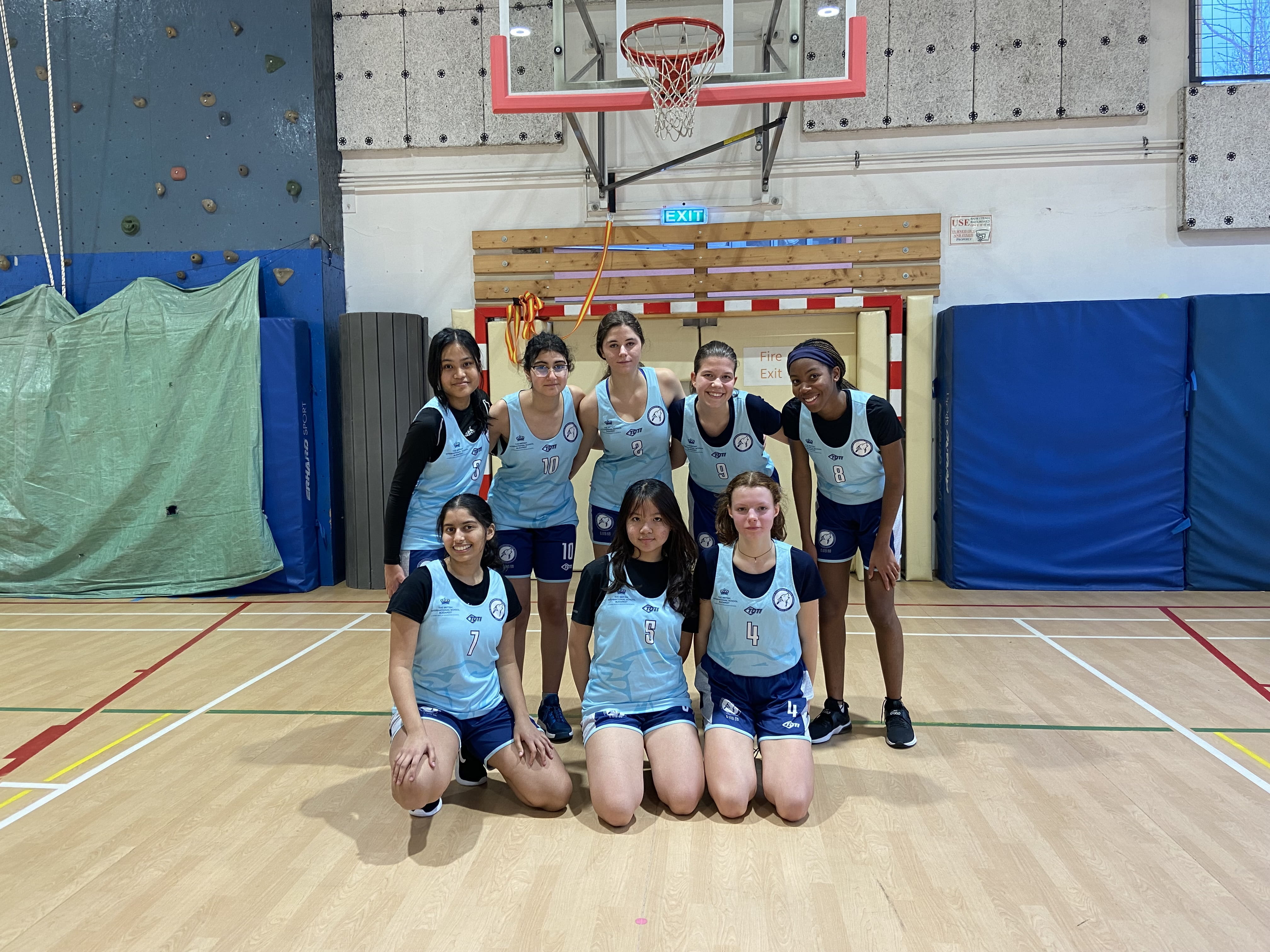
 U14 Girls and U19 Junior Varsity Girls basketball results
There was more basketball on Saturday. This time our U14 Girls A and B teams had their DVAC Festival here at BISB.
News image ![HIRES139]() Blog | homepagefeaturedarticle | Featured
Blog | homepagefeaturedarticle | Featured
 Blog | homepagefeaturedarticle | Featured
 BISB WOLVES Newsroom 2022
BISB Wolves results from the Nord Anglia Globa Games Europe