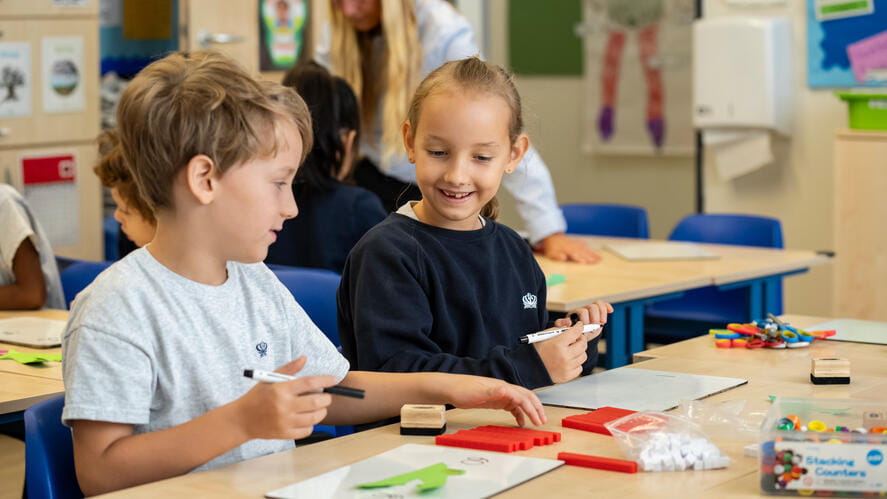
If you have spent any time with a child between the ages of two and six, you will know the feeling. A question answered becomes two more questions. An explanation leads to another why. And just when you think you have reached solid ground, the whole thing starts again.
It can feel relentless. Some days it is. But there is something extraordinary happening underneath all that questioning, and it is worth understanding what it is.

10 August, 2026
Why Do Children Ask "Why?" So Often?
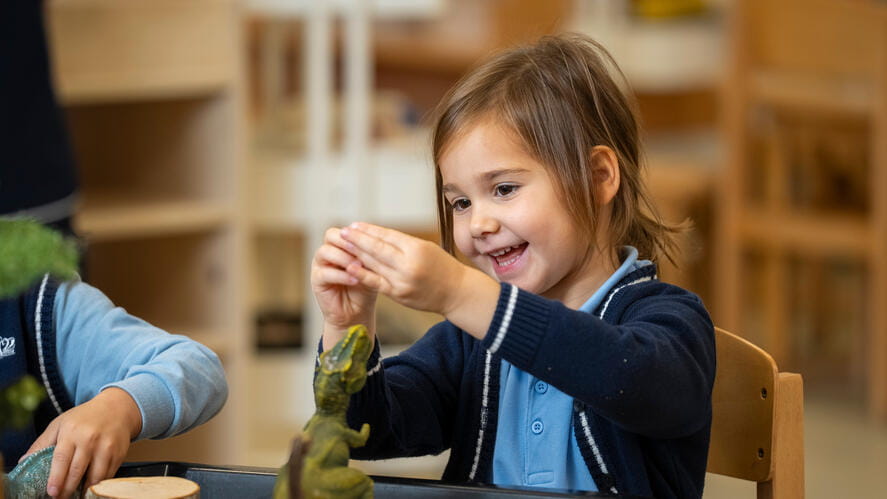
It is not a phase. It is how children build knowledge.
When a young child asks why, they are not simply looking for a piece of information. They are trying to understand how the world is organised, how one thing connects to another, and where they fit inside all of it. Each question is a small act of sense-making.
Research in developmental psychology has consistently shown that children who ask more causal questions, the why and how kind, develop stronger reasoning skills than those who primarily ask what or where. They are not just collecting facts. They are building structures of understanding that they will use for the rest of their lives.
The cognitive load involved in genuine questioning is significant. A child asking why the sky is blue is simultaneously processing language, retrieving prior knowledge, anticipating a response, and deciding whether that response fits with what they already think they know. This is not simple. It is some of the most demanding intellectual work a young mind can do.
What happens when we always give the answer?
There is a natural instinct, as a parent or a teacher, to answer a child's question as clearly and completely as possible. It feels helpful. It feels kind. And sometimes it is exactly the right thing to do.
But there is a difference between giving a child an answer and inviting them into the process of finding one. When adults respond to a child's question with a question of their own, what do you think?, or let's find out together, something different happens. The child's curiosity is not satisfied and closed down. It is extended and deepened.
This does not mean leaving children without support or refusing to explain things clearly. It means treating the question as the beginning of a conversation rather than a problem to be solved. The answer matters less than what the child does with it.
Why the classroom environment matters more than most parents realise.
The conditions in which children are encouraged to question, or discouraged from doing so, have a lasting effect on how willing they are to ask questions as they grow older. Children who are consistently told the answer without being invited to think tend to stop offering their own thinking. They learn, quite quickly, that questions have correct answers and that their job is to find them.
The most effective learning environments do the opposite. They create space for children to wonder, to be wrong, to try again, and to ask questions that do not have a single clean answer. This is not a soft approach to education. It is one of the most rigorous things a school can do, because it requires children to think rather than simply to remember.
At The British International School Budapest, this kind of learning is woven into how we teach from the earliest years. Our Early Years programme is built on a play-based approach that treats children's questions as the starting point for learning rather than interruptions to it. Forest School takes this outside, giving children the freedom to investigate, discover and wonder in a natural environment where the answers are not written on a board.
Our teachers are trained to guide children towards their own understanding rather than simply transmitting information. The question we ask ourselves is not what do our children know, but what are they curious about, and how do we help them follow that curiosity somewhere meaningful.
Keeping curiosity alive as children grow.
One of the things we notice as children move through school is that questioning tends to become less spontaneous. The younger the child, the more freely they ask. As academic expectations increase, as children become more aware of what their peers think, as the pressure to have the right answer grows, the questions can slow down.
This is one of the most important challenges in education, and it is one we take seriously. A child who reaches adolescence still willing to say I don't know, let's find out is a child with a significant advantage, not just in education but in every domain of life that follows.
The question your child asks you tonight at the dinner table, the one that seems to come from nowhere and goes somewhere you were not expecting, is not an interruption. It is evidence that their mind is working exactly as it should. The best thing you can do is follow it with them.
Related news
News image ![Back to Scoool]() Blog
Blog
 Blog
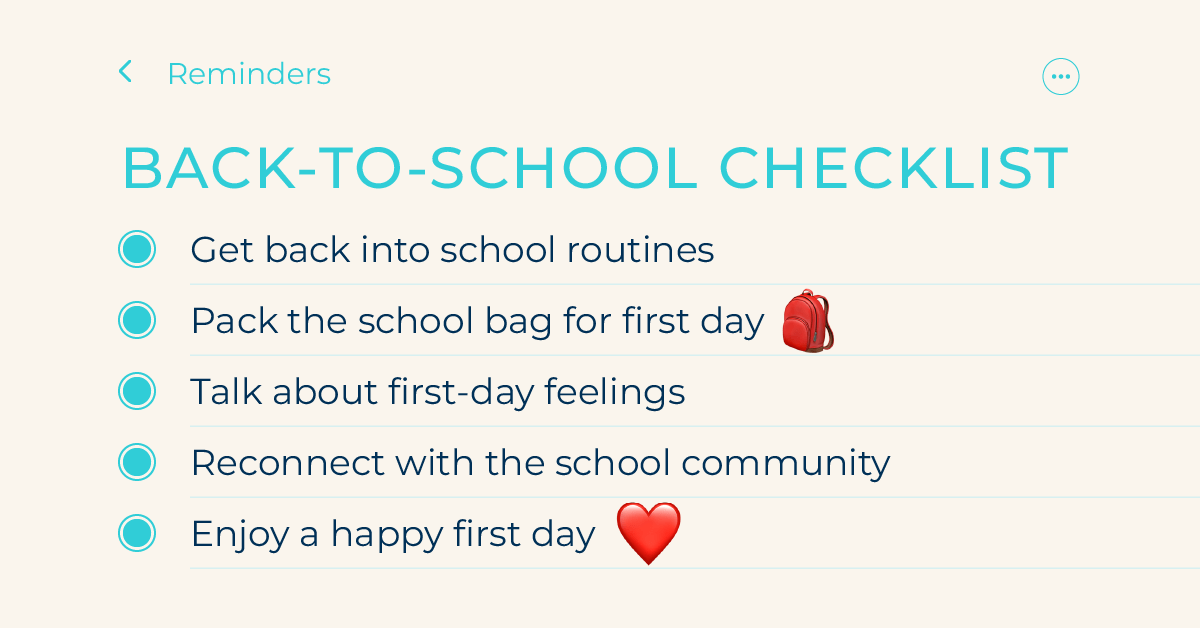
Blog Back to School in Hungary: The Complete Checklist for Parents
Getting ready for the new school year in Hungary? Our complete back to school checklist covers everything parents need to prepare with confidence.
News image ![BISB Students Achieve Outstanding IGCSE Results in 2026 - BISB Students Achieve Outstanding IGCSE Results in 2026]() News
News
 News
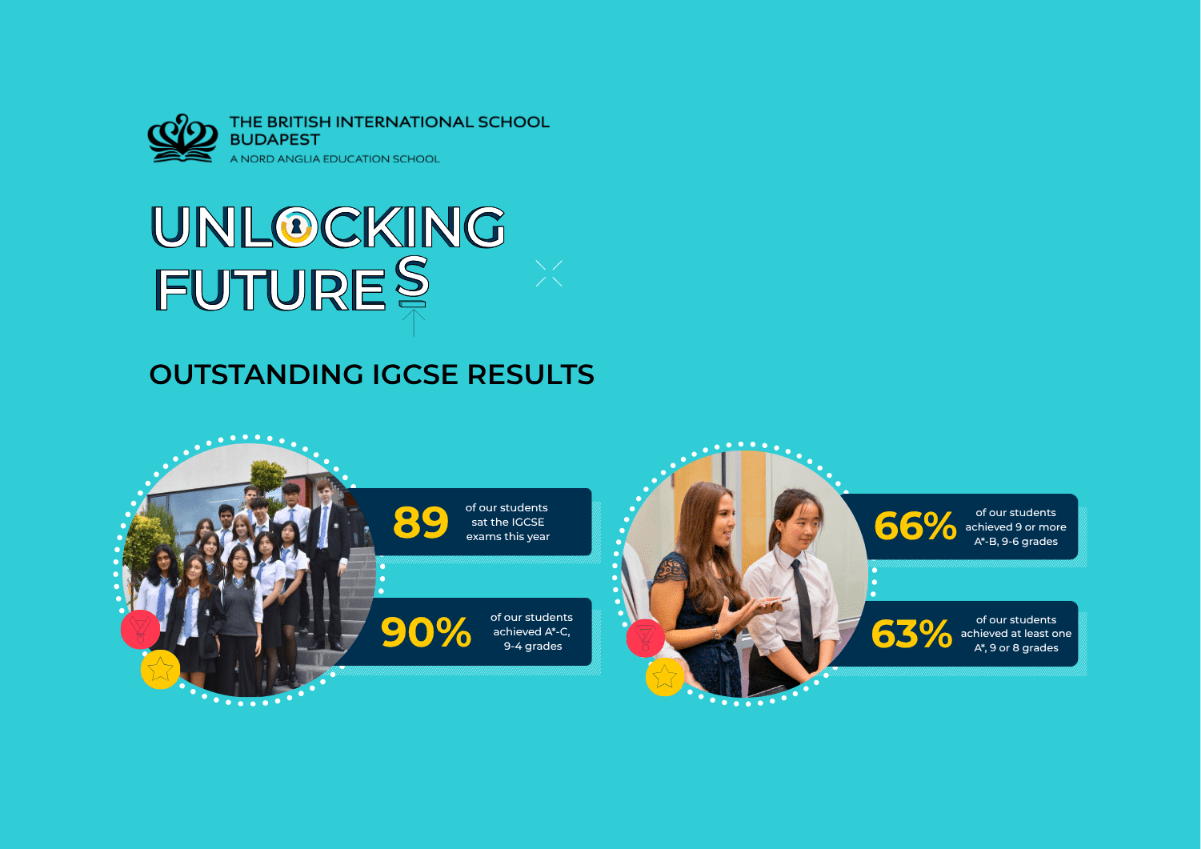
News BISB Students Achieve Outstanding IGCSE Results in 2026
We are delighted to celebrate another outstanding set of IGCSE results at The British International School Budapest, reflecting our commitment to supporting, challenging, and nurturing every student to Aspire to Excellence.