

Discover how social-emotional learning builds confident, resilient learners and how parents can use the Goal Squad at home to support lifelong success.

January 15, 2026
Building Social-Emotional Skills at Home: How the Goal Squad Supports Lifelong Learning
/blog-banner-1280-x-720.png?h=720&iar=0&w=1280&rev=16a05aefba4045d9990a53f442785685&hash=6B05FC5D5038D38284BABCEC2067DB8E)
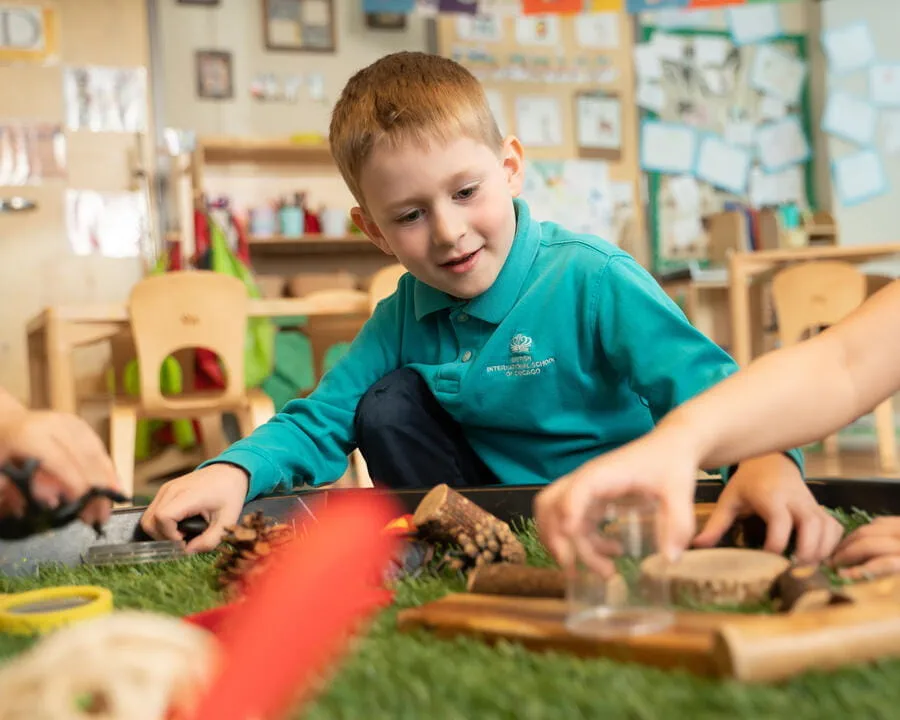
At BISC-LP, education is more than academics - it’s about shaping confident, resilient, and compassionate learners who thrive in a diverse world. Before mastering reading or math, children need strong social and emotional foundations. These skills influence how they face challenges, interact with others, and develop a love for learning.
Our Goal Squad represents the core values we uphold. Their presence is woven into classroom life, guiding decisions and actions. But their impact doesn’t stop at school! When families bring the Goal Squad home, they help children develop habits and attitudes that last a lifetime.
.png?rev=36168dc207eb430197d6eb504989dada&hash=7A3341AACC2782F3021EC448C39316BB)
Why Bring the Goal Squad Home?
Social-emotional skills are at the core of everyday life. Research links qualities like reflectiveness, resilience, and cooperation to stronger relationships, better mental health, and improved academic outcomes. Just as number sense underpins math, these skills lay the foundation for lifelong success.
Before tackling academics, children need confidence to try, the resilience to persevere, and curiosity to explore. These attitudes make learning enjoyable and sustainable. Without them, challenges feel overwhelming, and mistakes lead to frustration instead of growth.
The Goal Squad teaches that learning is a journey, not a race. It helps children see mistakes as opportunities, ask questions, and work together - preparing both heart and mind for deeper learning.
How Parents Can Use the Goal Squad at Home
You don’t need apps or expensive tools - simple, everyday interactions are most powerful! Try these five strategies:
- Talk About the Goal Squad During Daily Routines
- When your child feels stuck, ask:
“What might Captain Curiosity suggest?” - Celebrate positive behaviors:
“Great sharing - just like Alex & Xander Cooperation!” - Set Family Challenges
- Pick one Goal Squad quality for the week, like resilience or respect.
- Share examples at dinner:
“I had to call on Reflection Sensei to stay calm in traffic today!” - Turn Ordinary Moments into Learning Opportunities
- Cooking? Highlight cooperation and creativity.
- Reading? Ask which character the story reminds them of.
- Playing outside? Talk about curiosity and innovation.
- Model the Behaviors Yourself
- Use the Goal Squad in your own challenges:
“I’m frustrated, but Rockstar Resilience reminds me to keep trying.”
Children learn best by example! - Celebrate Effort, Not Just Results
- Say:
“I love how you kept trying - that’s real resilience!”
“Great question! Captain Curiosity would be proud.”
Language Is Key
Talking supports both language and social-emotional growth. Label feelings and verbalize what you notice: “You’re bouncing everywhere! You look excited!” Conversations about choices and challenges help children make sense of experiences. Words matter. Every time you mention the Goal Squad, you’re building the language - and mindset - for success.
The Big Picture
Social-emotional skills create confident, motivated learners. By weaving the Goal Squad into everyday life, you give your child tools to manage challenges, collaborate, and approach learning with joy. No tech, no costly resources - just your voice, your time, and a little creativity!
Discover how our approach builds confident, resilient learners! Learn more or book a tour!
Danielle Williams
Learning Resources Teacher & Student Community Director
Related news
News image ![Year 3 Leader, Carla Williamson]() Blog | Featured | Global Education
Blog | Featured | Global Education
 Blog | Featured | Global Education
 The Importance of Self-Regulation in Children: A Foundation for Learning and Wellbeing
Discover how co-regulation, emotional awareness, and practical strategies support children in managing emotions and building resilience at BISC Lincoln Park.
News image ![Lowri Covello]() Blog | Featured
Blog | Featured
 Blog | Featured
 Meet the BISC-LP Student Community Directors: How BISC-LP Supports Student Wellbeing, Safety and Belonging
Meet the Student Community Directors at British International School of Chicago, Lincoln Park and learn how they support student wellbeing, positive behavior, safeguarding, and belonging across our school community.
News image ![Our Restorative Approach at BISC-LP - Our Restorative Approach at BISC-LP]() Blog | Featured
Blog | Featured
 Blog | Featured
 Building Character Through Connection: Our Restorative Approach at BISC-LP
Discover how BISC-LP's restorative approach to behavior helps students build character, strengthen relationships, and develop emotional intelligence through respect, connection, accountability, and restorative practices.
News image ![Make the most of Summer in Chicago - Summer Fun and Learning]() Blog | Featured
Blog | Featured
 Blog | Featured
 Summer Fun & Learning: Make the most of Summer in Chicago
In our latest teacher blog, Pre-Nursery Assistant Directors Alex Duryea and Caitlin Stevens explore Chicago’s top summer destinations while supporting your child’s growth through play, discovery, and hands-on learning.


