


We use cookies to improve your online experiences. To learn more and choose your cookies options, please refer to our cookie policy.

February 12, 2026
Helping Children Build Thinking Habits for Life: How Simple Routines Shape Confident Learners
.png?h=720&iar=0&w=1280&rev=090f6aaff5c74988877e2316da2721d6&hash=9F6607FE7CEF7D53B17FB2A670C742F3)
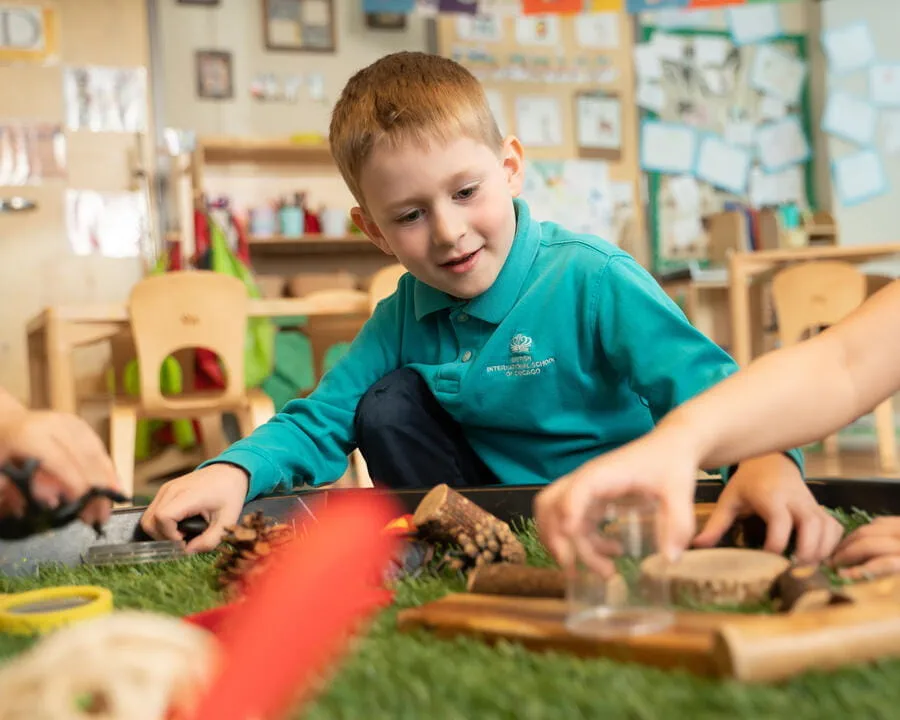
If you have ever asked your child, “How was school today?” and been met with a polite but unhelpful “fine”, you are not alone. Often, children are thinking deeply about their learning but do not yet have the language to explain it.
Last year, I wrote about the importance of metacognition and how supporting children to reflect on their learning strengthens independence and confidence. That thinking still underpins our approach. This year, our focus has been on how metacognition is embedded into everyday classroom practice through the use of thinking routines. This focus has also formed the basis of my Master’s dissertation at the University of Bath, where I explored how these routines support children to articulate their thinking, develop confidence, and persist when learning feels challenging.
What Are Thinking Routines?
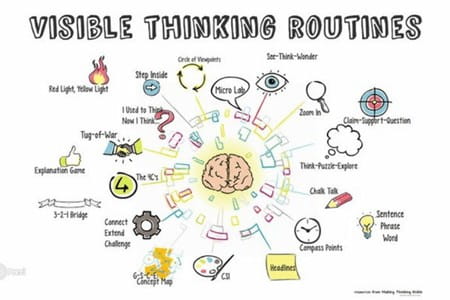
Thinking routines are short, repeatable prompts that help children slow down their thinking, explain their ideas, and reflect on how their understanding develops. They are not one-off activities or standalone strategies. Instead, they are deliberately woven into daily teaching across subjects.
Because children encounter the same routines repeatedly, they become familiar and increasingly automatic. Over time, children begin to use the language of the routines independently, without prompting. This consistency helps create classrooms where questioning, explaining, and reflecting are expected and valued parts of learning.
As part of this work, Nord Anglia Education has worked closely with Project Zero, a research center at the Harvard Graduate School of Education, to develop and embed thinking routines that support visible and purposeful thinking in classrooms.
A Different Kind of Question
While thinking routines are embedded in school, similar thinking habits can be encouraged at home through everyday conversation. One particularly powerful example is the question: “What makes you say that?”
This prompt encourages children to pause and explain their reasoning, whether they are sharing an opinion, describing an experience, or reflecting on a decision they made. A recent Better Magazine article highlights how questions like this can support deeper family conversations, particularly during moments such as family dinners.
This reflects the same thinking dispositions we aim to develop through our classroom routines. When children are encouraged to explain their thinking in different contexts, it reinforces the importance of reasoning and reflection.
Linking Thinking Routines to Our Values
This year, we have intentionally adapted thinking routines so they align closely with our Goal Squad values. Rather than using routines in isolation, we have linked them to the shared language children already know.
.png?h=479&w=444&rev=c56eea11582349dd816f9a0aaeeda23c&hash=96AC2D861F67B06946CA20380A96AD41)
For example, when children use the routine “I used to think… now I think…”, they are demonstrating reflection in action. This provides a clear opportunity to recognize Reflection Sensei, as children explain how their thinking has changed.
Similarly, routines such as Tug of War invite children to explore different perspectives and sit with uncertainty. This closely aligns with Rockstar Resilience, as children learn to persevere, consider complexity, and engage thoughtfully with challenge.
Using the language of the Goal Squad alongside thinking routines has been pivotal in supporting children to engage with these strategies and understand their purpose.
How Parents Can Support This at Home
Parents do not need specialist knowledge to support these habits. Simple questions such as:
- “What made you change your mind?”
- “What helped you keep going when it felt tricky?”
- “What makes you say that?”
help reinforce the same reflective thinking children are practicing at school.
Final Thoughts
Thinking routines support children to develop consistent habits around reflection, explanation, and perseverance. When these routines are embedded across the curriculum, aligned with shared values, and echoed through everyday conversations at home, they help create a strong and coherent culture of thinking.
Explore our approach to teaching and learning and see how values and metacognition come to life in our classrooms. Learn more and book a visit!
Sophia Knight
Year 4 Teacher & Curriculum Director
Related news
News image ![Year 3 Leader, Carla Williamson]() Blog | Featured | Global Education
Blog | Featured | Global Education
 Blog | Featured | Global Education
 The Importance of Self-Regulation in Children: A Foundation for Learning and Wellbeing
Discover how co-regulation, emotional awareness, and practical strategies support children in managing emotions and building resilience at BISC Lincoln Park.
News image ![Lowri Covello]() Blog | Featured
Blog | Featured
 Blog | Featured
 Meet the BISC-LP Student Community Directors: How BISC-LP Supports Student Wellbeing, Safety and Belonging
Meet the Student Community Directors at British International School of Chicago, Lincoln Park and learn how they support student wellbeing, positive behavior, safeguarding, and belonging across our school community.
News image ![Our Restorative Approach at BISC-LP - Our Restorative Approach at BISC-LP]() Blog | Featured
Blog | Featured
 Blog | Featured
 Building Character Through Connection: Our Restorative Approach at BISC-LP
Discover how BISC-LP's restorative approach to behavior helps students build character, strengthen relationships, and develop emotional intelligence through respect, connection, accountability, and restorative practices.
News image ![Make the most of Summer in Chicago - Summer Fun and Learning]() Blog | Featured
Blog | Featured
 Blog | Featured
 Summer Fun & Learning: Make the most of Summer in Chicago
In our latest teacher blog, Pre-Nursery Assistant Directors Alex Duryea and Caitlin Stevens explore Chicago’s top summer destinations while supporting your child’s growth through play, discovery, and hands-on learning.


