


January 22, 2026
How to Support Your Child’s Dance Education at Home: Tips for K–12 Families
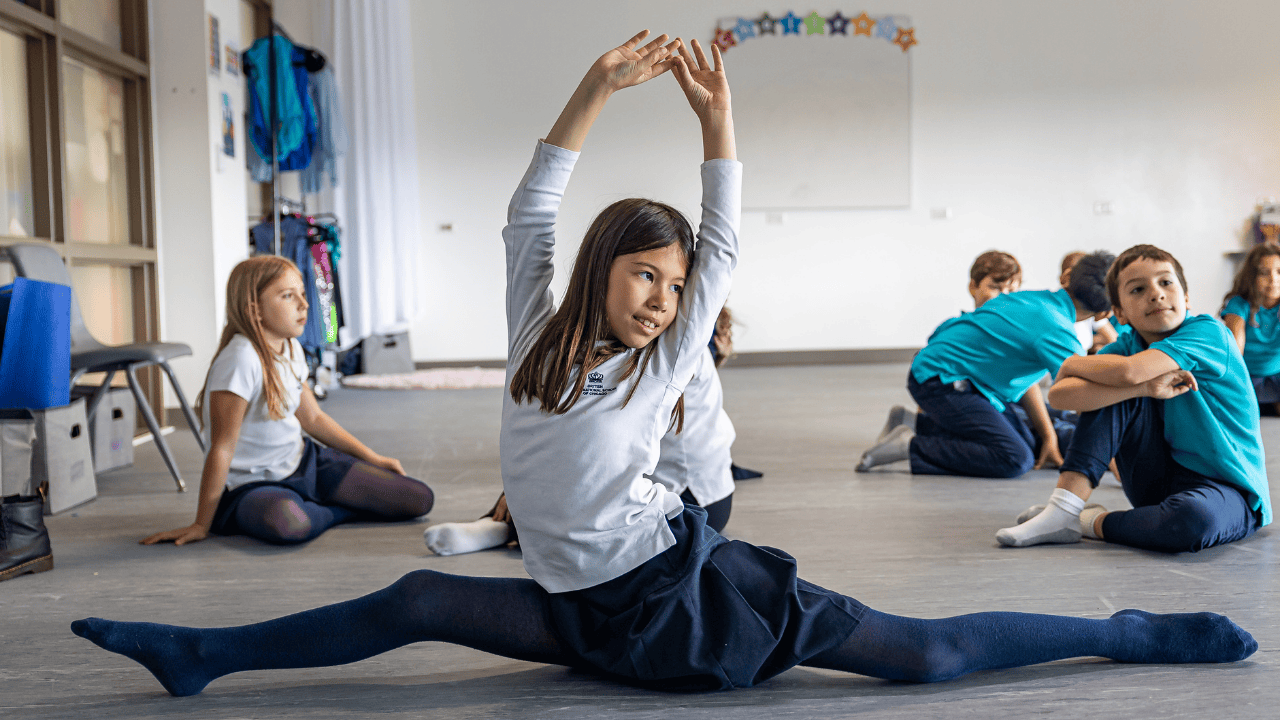
Support your child’s dance education at home with practical tips that build strong technique, encourage collaboration, boost emotional well‑being, and promote reflection. Learn how K–12 families can nurture young dancers’ confidence, creativity, and growth beyond the studio.
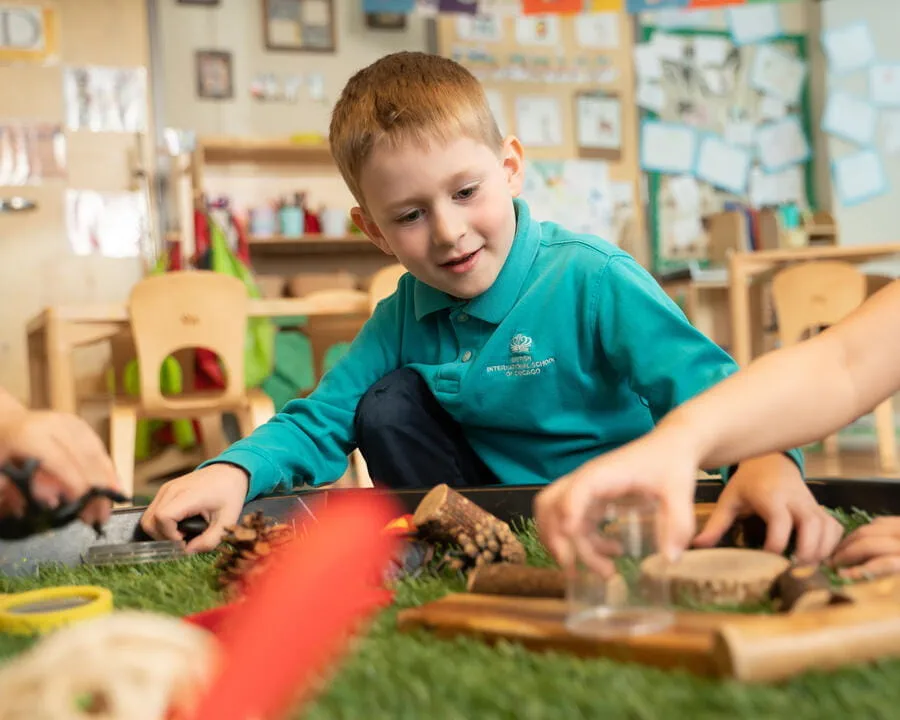
Dance is more than just movement—it’s a powerful form of expression, discipline, and personal growth. Whether your child is just beginning their dance journey or is already deeply involved in training, your support at home can significantly influence their development and enthusiasm. There are several ways you can nurture their passion and progress right from your living room.
Building Strong Technique
First, it’s important to help your child build strong technique, which is the foundation of all dance styles. While formal instruction takes place in the studio, you can reinforce good habits at home by creating a safe and functional practice space. This doesn’t need to be elaborate—even a small area with a smooth floor and a mirror can be effective. Encourage your child to develop a consistent warm-up and stretching routine to prevent injuries and improve flexibility. You can also make use of seesaw resources to review the studio learning at home together.
Encouraging Collaboration & Confidence
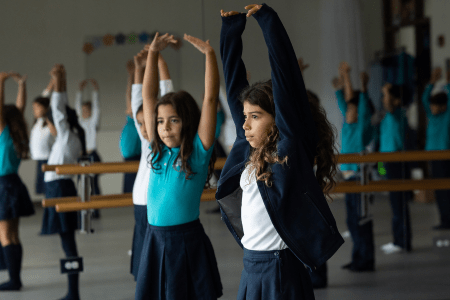
Dance is often a collaborative art, and you can help your child develop teamwork skills by encouraging them to rehearse with peers or siblings. Hosting mini practice sessions at home or inviting classmates over can foster camaraderie and teach them how to give and receive constructive feedback. You can also model collaboration by working together on dance-related projects, such as designing costumes or creating playlists for practice.
Emotional Well-being
Supporting your child’s emotional well-being is just as important as nurturing their physical skills. Dance can be emotionally vulnerable, especially when children face challenges or comparisons. Celebrate their effort and dedication rather than focusing solely on performance outcomes. Be an engaged and positive audience—attend their performances, ask about their routines, and show genuine interest in their progress. Encouraging them to choreograph their own dances at home can also boost their confidence and creativity, giving them a sense of ownership over their art.
Fostering Reflection & Self-Awareness
Reflection and self-awareness are key to growth in dance. You can help your child develop these skills by encouraging them to keep a dance journal where they can write about what they learned in class, how they felt during practice, and what goals they want to set. Watching recordings of their practice sessions together can also be a valuable tool. Ask open-ended questions like, “What do you think went well?” or “What would you like to try differently next time?” Additionally, incorporating simple mindfulness practices, such as breathing exercises or short meditations, can help them stay grounded and focused.
In the end, supporting your child’s dance education at home doesn’t require professional training—just a willingness to be present, encouraging, and engaged. By focusing on technique, collaboration, self-esteem, and reflection, you’re not only helping them grow as dancers but also as confident, thoughtful individuals.
Learn more about how we nurture creativity and the arts at BISC‑Lincoln Park.
Sara Kelly MacDonald
Director of Performing Arts & Dance Specialist
Related news
News image ![Year 3 Leader, Carla Williamson]() Blog | Featured | Global Education
Blog | Featured | Global Education
 Blog | Featured | Global Education
 The Importance of Self-Regulation in Children: A Foundation for Learning and Wellbeing
Discover how co-regulation, emotional awareness, and practical strategies support children in managing emotions and building resilience at BISC Lincoln Park.
News image ![How We Support Toddler Emotions and Positive Behavior in Pre Nursery - How We Support Toddler Emotions and Positive Behavior in Pre-Nursery]() Blog | Featured | Global Education
Blog | Featured | Global Education
 Blog | Featured | Global Education
 How We Support Toddler Emotions and Positive Behavior in Pre-Nursery
Read our latest blog to learn how our Pre‑Nursery program supports toddler behavior and emotional development through positive guidance, building self‑regulation and confidence from as early as 15 months.
News image ![Excelling Beyond Grades - Excelling Beyond Grades]() Blog | Global Education | Featured
Blog | Global Education | Featured
 Blog | Global Education | Featured
 Academic Excellence and Wellbeing: Excelling Beyond Grades at BISC Lincoln Park
Read our latest thought piece by Mr. John Biggs, Principal at BISC Lincoln Park, exploring how academic excellence and student wellbeing work together to prepare students for success beyond grades.
News image ![From the Classroom to Home: Using Movement to Support Self-Regulation in Early Years Learners - From the Classroom to Home]() Blog | Featured | Global Education
Blog | Featured | Global Education
.png?h=720&iar=0&w=1280&rev=29db3eaaa2864b37b4258fa88e5271bb&hash=35C9B3BF3F734B11BC1F0204B78C2E9B) Blog | Featured | Global Education
Blog | Featured | Global Education From the Classroom to Home: Using Movement to Support Self-Regulation in Early Years Learners
In our latest teacher blog series, Pre-Nursery Assistant Directors Maya Benguche and Melanee Neely share insights on how movement and sensory regulation support behavior, emotional development, and learning—strengthening connections between school and home.


