



We use cookies to improve your online experiences. To learn more and choose your cookies options, please refer to our cookie policy.
16 June, 2026
A Parent’s Guide to Choosing Between Preschool and International School in Singapore
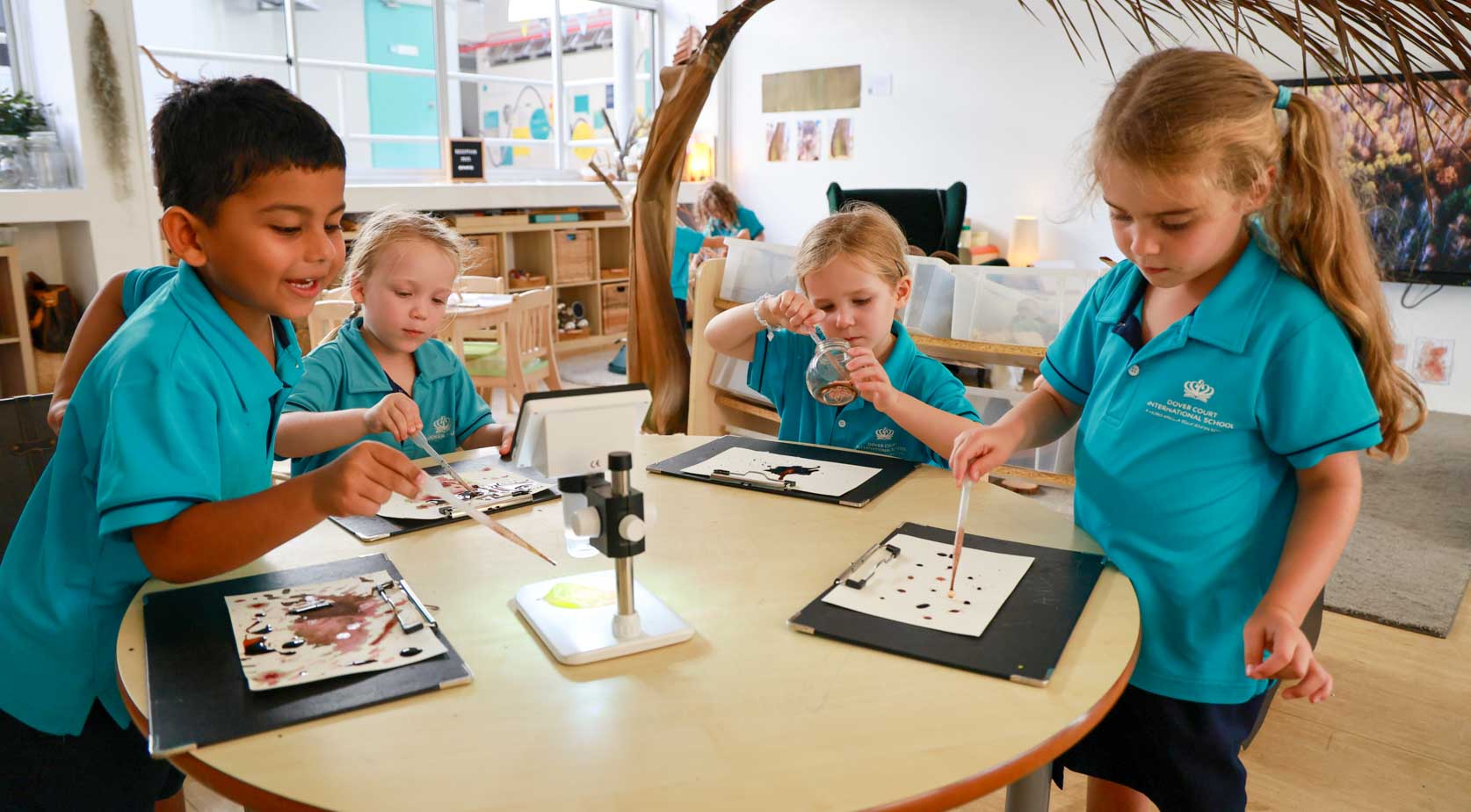
For many families with young children in Singapore, one early decision often feels more complex than expected: when to move from a smaller preschool setting into a larger international school. The question is not simply about age or availability. It is about how children learn in their early years, and what kind of environment best supports their long-term academic development.
At first glance, preschools and international schools can appear similar. Both prioritise early years education and both emphasise play. In practice, however, the difference lies in how that play is structured, guided, and connected to future learning.
Understanding how early years learning is delivered
Across high-quality early years settings, there is increasing alignment in pedagogy. Whether through frameworks such as Early Years Foundation Stage (EYFS), Primary Years Programme (PYP) or Reggio-inspired approaches, there is a shared recognition that play is central to learning and that children who are given a sense of agency in their learning become more invested and enthusiastic learners.
As Luna Deller, Deputy Head of Primary at Dover Court International School (DCIS), explains: “Across early years education, there is a strong belief that play is the work of the child. The most effective environments balance student-led exploration with carefully planned teacher input, so that children build both curiosity and core skills.”
In practice, this balance matters. While younger children benefit from freedom to explore, they also need intentional teaching that builds early literacy and numeracy foundations. For example, structured phonemic awareness and phonics are essential for reading development, while inquiry-led classroom practices encourage deeper thinking rather than memorisation.
Equally important is ensuring learning remains developmentally appropriate. Extended periods of sitting, excessive pencil work, or adult-directed tasks that do not align with physical and emotional readiness can limit progress rather than accelerate it.
What changes in a larger international school setting
One of the key differences in an international school environment is the level of structure that sits behind classroom learning. This includes curriculum continuity, progression planning, and ongoing monitoring of each child’s development.
In a setting such as DCIS’ Nurturing Early Success Together (NEST), early years education is not isolated. It is part of a continuous academic path that connects directly into primary education. This ensures that foundational skills developed in preschool years are tracked, supported, and extended over time.
Deller notes that the concept of “preparation” is often misunderstood. “At this stage, the focus is not on preparing children in a narrow academic sense, but on developing approaches to learning. Thinking skills, self-management, social interaction, research and communication are all central. These give children the tools to succeed as learning becomes more formal.”
This structured approach can provide reassurance for academically focused parents. It offers visibility of progress, consistency across year groups, and confidence that early learning is aligned with later expectations.
The role of social and independent learning
In both preschools and international schools, social development plays a central role. However, a larger school environment may provide wider opportunities for children to develop independence and navigate more complex social interactions.
Negotiating with peers, participating in group inquiry, and learning to manage transitions between activities all contribute to readiness for primary education. These are not separate from academic success. They directly support a child’s ability to focus, collaborate, and engage with more structured learning in later years.
The balance between guided teaching and independent exploration remains key. Children are encouraged to test ideas, take appropriate risks, and learn from mistakes. This builds confidence in learning itself, not just in outcomes.
Deciding on the right timing for your child
There is no single “correct” age to move from a preschool to an international school. The right timing depends on the child, the setting, and the family’s priorities.
When visiting schools, Deller encourages parents to focus on what they see and feel. “Parents should ask themselves whether the environment genuinely supports their child. Do interactions feel respectful and attentive? Are children engaged and curious? Does the schoolwork with the child’s individual needs, rather than expecting the child to adapt to a fixed model?”
Other practical considerations include the continuity of curriculum, the experience of teaching staff, and the extent to which progress is observed and supported over time. For families expecting to remain in Singapore for several years, an earlier transition into an international school can offer greater consistency in both teaching approach and academic expectations.
A decision that shapes long-term learning
Choosing between a preschool and an international school is not about which is better in general terms. It is about alignment. Alignment between the child’s stage of development, the family’s expectations, and the structure of the school.
At Dover Court, early years education sits within a clearly defined academic framework that connects directly into primary learning. This provides continuity, supports consistent progress monitoring, and ensures that foundational skills are developed with purpose.
For parents, this means greater clarity. Not just about what children are doing each day, but about how those experiences contribute to their long-term educational journey.
A conversation with the school can often help bring this into sharper focus, particularly when considering the timing of a transition and the environment in which a child is most likely to thrive.
Related news
News image ![How Dover Court Develops Leadership, Initiative and Human Skills - How Student Voice and Leadership Come to Life at Dover Court]() Blog | Art Drama and Music | Academic
Blog | Art Drama and Music | Academic
 Blog | Art Drama and Music | Academic
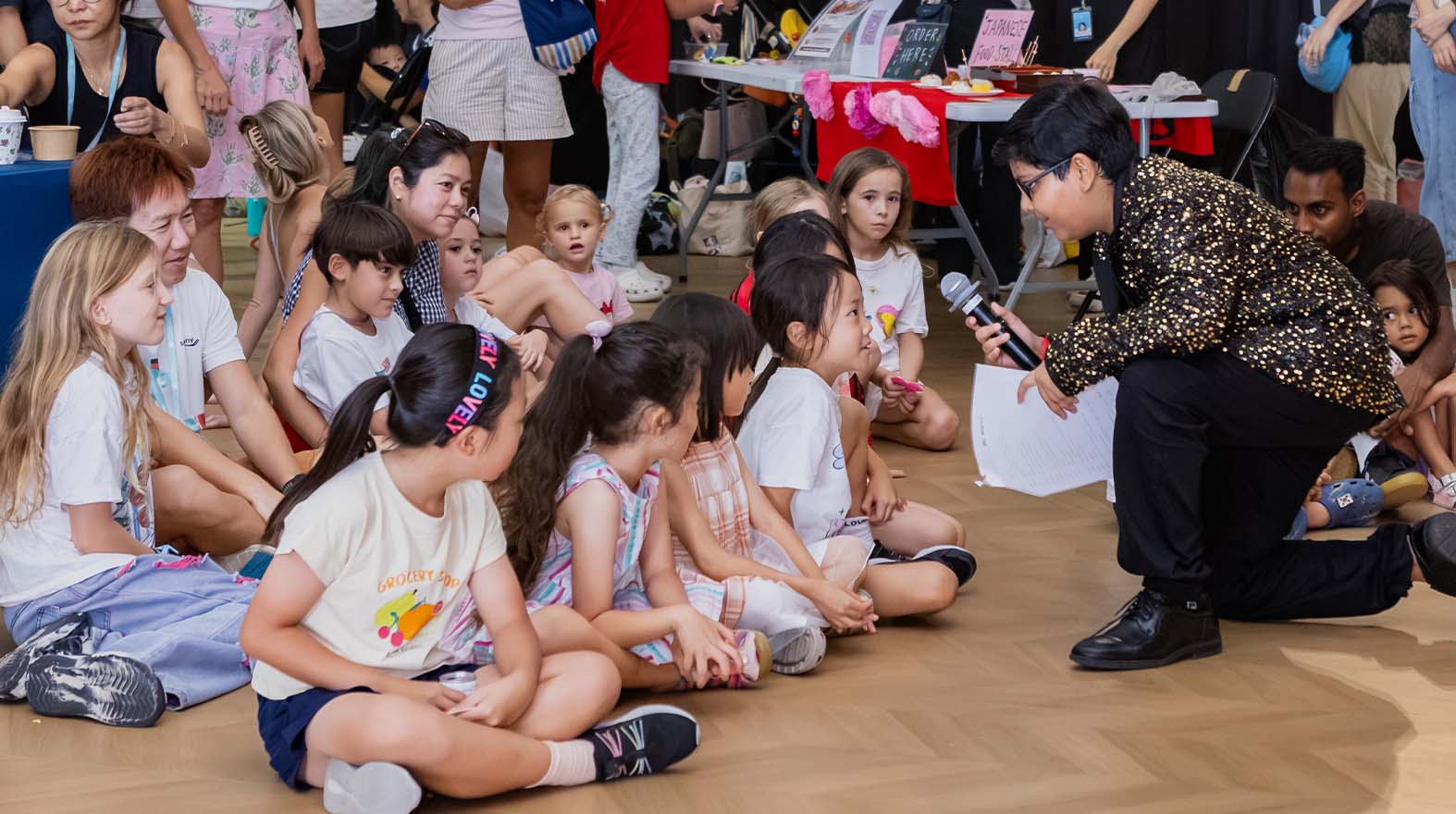
 How Student Voice and Leadership Come to Life at Dover Court
What happens when students are empowered to turn ideas into reality? Discover how Year 9 student Daksh developed leadership, communication and problem-solving skills through a student-led initiative, and how experiences like these help young people develop the human skills needed for the future.
News image ![Why Struggle and Joy Belong Together in Maths | Dover Court International School Singapore - Why Struggle and Joy Belong Together in Maths]() Blog | Academic | Parent Guides
Blog | Academic | Parent Guides
 Blog | Academic | Parent Guides
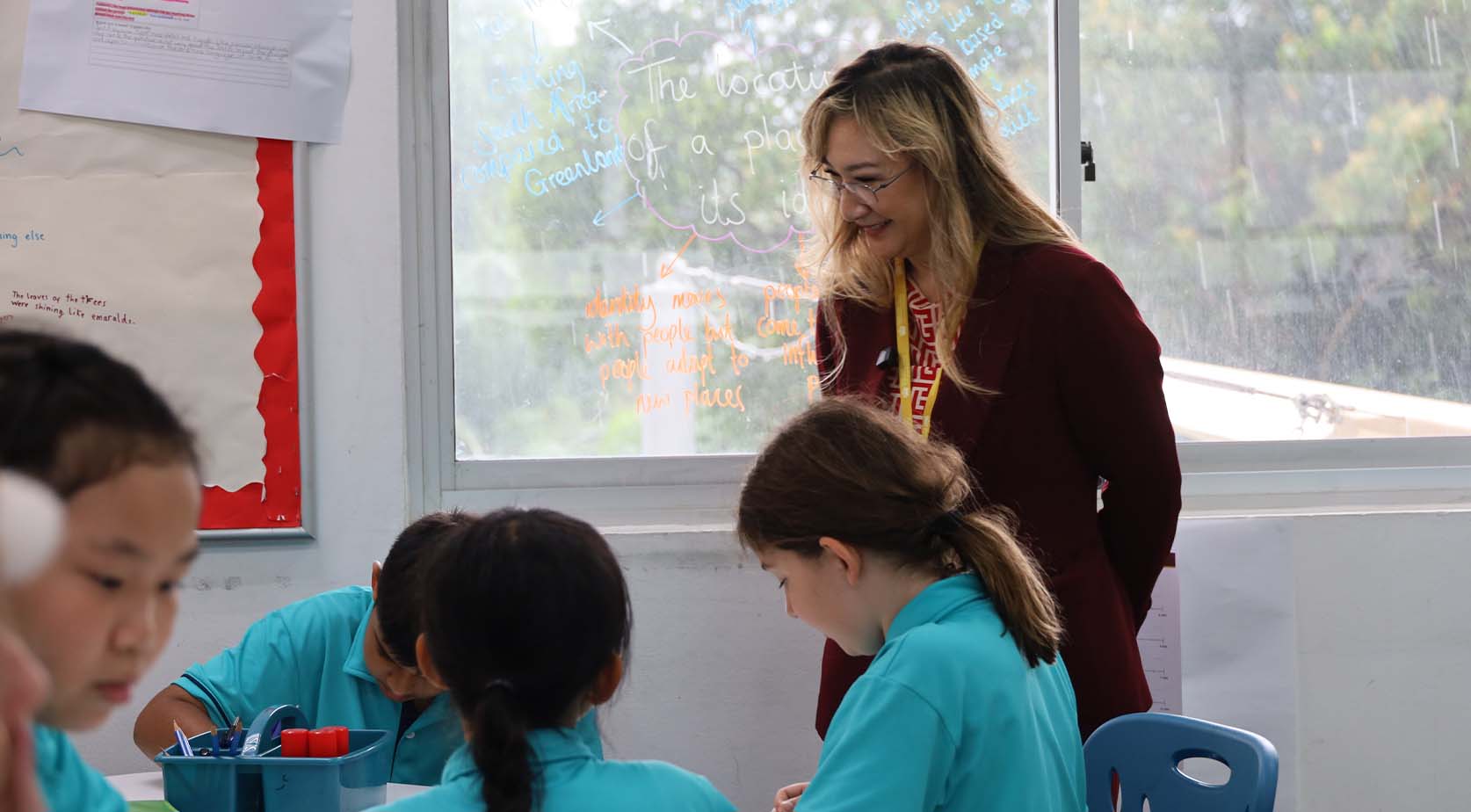
 Why Struggle and Joy Belong Together in Maths: Reflections from a Parent Workshop
How can we help children develop confidence and enjoyment in mathematics? Following a parent workshop at Dover Court International School, internationally recognised mathematics educator Dr Jennifer Chang Wathall explores the relationship between challenge, resilience and joyful learning.
News image ![Inclusive Education in Singapore: Strong SEN Support and Academic Excellence at DCIS - inclusive-education-singapore-sen-support-academic-excellence]() Blog | Academic
Blog | Academic
 Blog | Academic
 Why Inclusion Creates Better Outcomes for Every Student
Can an inclusive school also deliver strong academic outcomes and provide appropriate stretch and challenge for students working above age-related expectations? At Dover Court International School, we believe the answer is yes. Inclusion is embedded across every aspect of school life, from teaching and learning to wellbeing, personalised support and enrichment. Through our Pathway 2 provision and whole-school commitment to adaptive teaching, students receive the challenge and support they need to thrive.
News image ![Nature as a Classroom: Outdoor Learning in Early Years | Dover Court Singapore - Nature as a Classroom Big Learning from Small Discoveries]() Blog | Early Years | Academic
Blog | Early Years | Academic
 Blog | Early Years | Academic
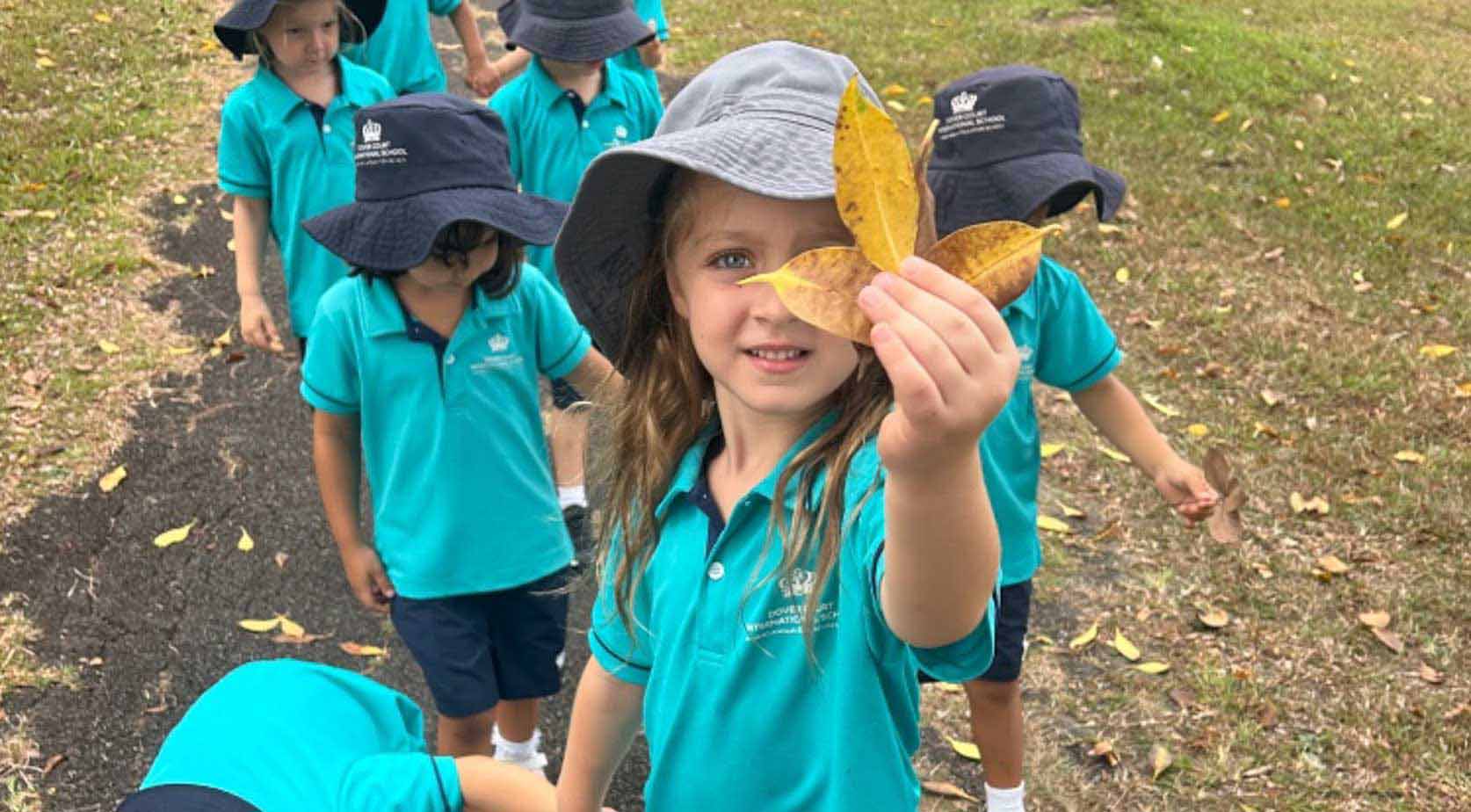
 Nature as a Classroom: Big Learning from Small Discoveries
From collecting leaves and seeds in the park to examining natural objects under microscopes and creating artwork with berries, our Early Years children are discovering that nature is full of opportunities for inquiry, creativity and wonder. Read how outdoor learning and NEST (Nurturing Early Success Together), our Early Childhood Education Programme for children from Nursery to Year 2, help children develop curiosity, confidence and a deeper understanding of the world around them.


