


We use cookies to improve your online experiences. To learn more and choose your cookies options, please refer to our cookie policy.
07 September, 2026
Nature as a Classroom: Big Learning from Small Discoveries
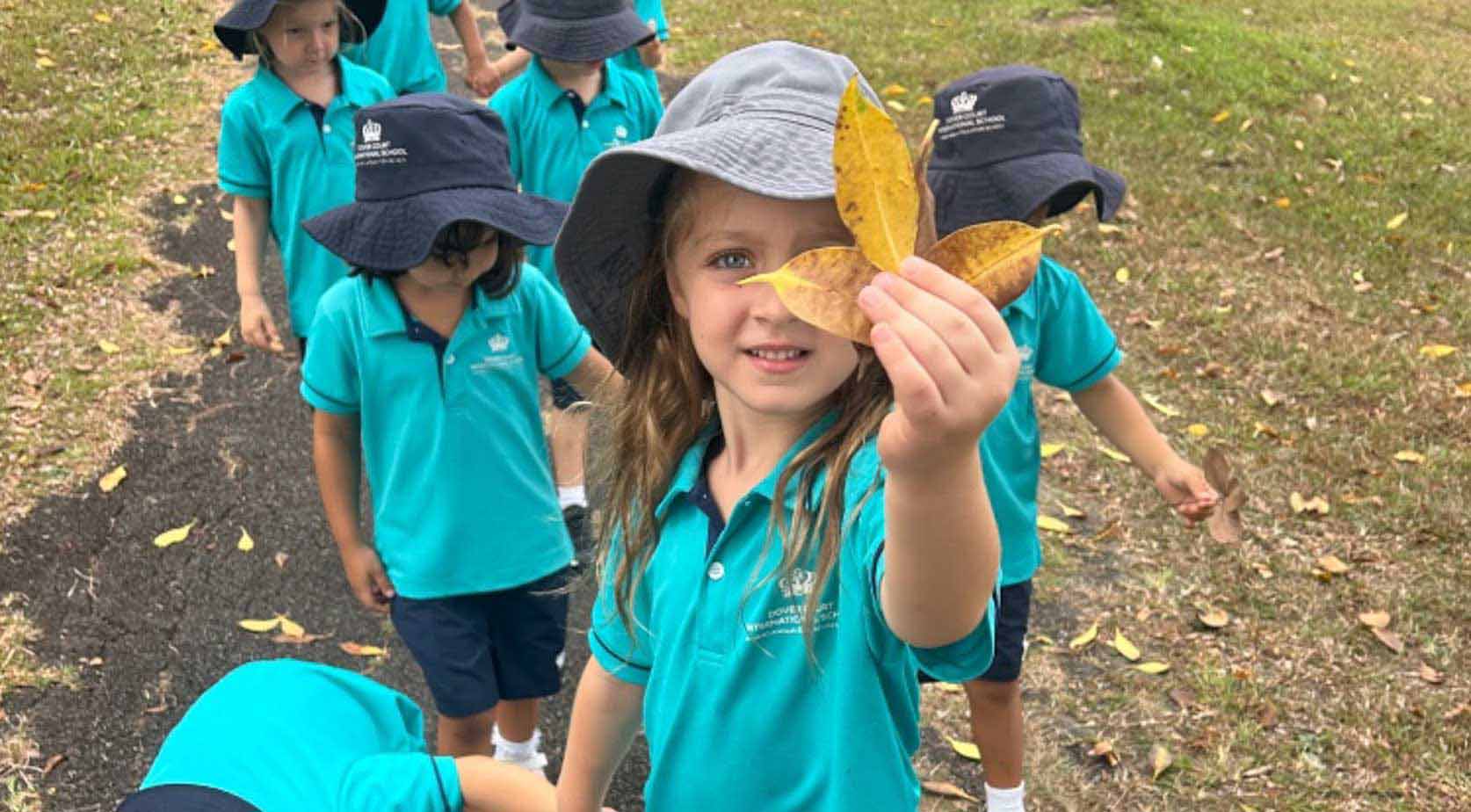
A stick becomes a wand. A leaf sparks a question. A berry turns into a work of art.
In Early Years at Dover Court, some of our most meaningful learning begins outdoors. Whether exploring the park, working in the outdoor atelier, collecting natural treasures or creating with materials from nature, children are discovering that the world around them is full of opportunities to investigate, question and wonder.
This approach is part of NEST (Nurturing Early Success Together), Dover Court's Early Childhood Education Programme for children from Nursery to Year 2. Through play, inquiry and hands-on experiences, we encourage children to follow their curiosity, explore their interests and make meaningful connections with the world around them. Inspired by the Reggio Emilia philosophy, children are active participants in their own learning, with their ideas, questions and interests helping to shape the experiences around them.
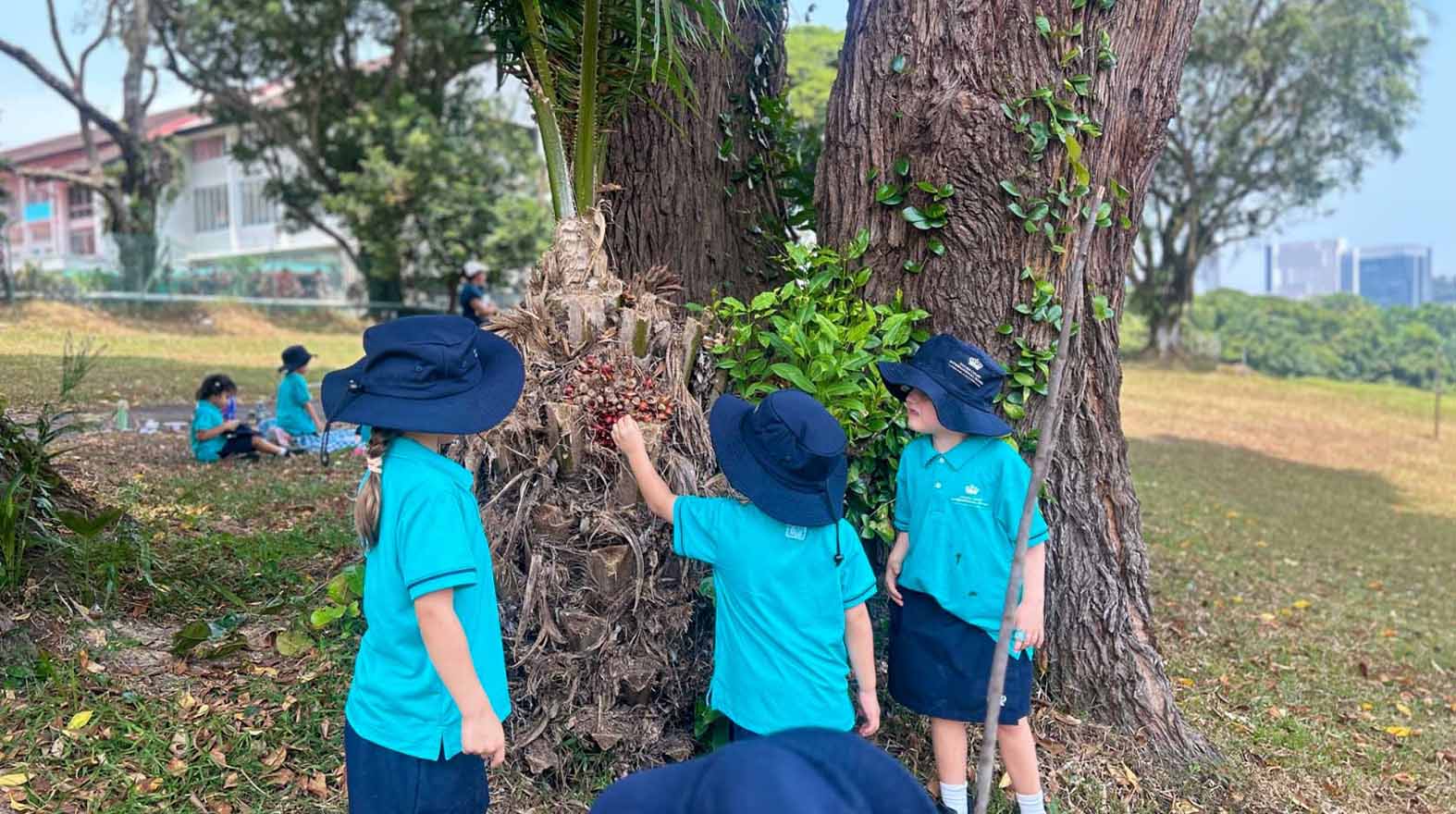
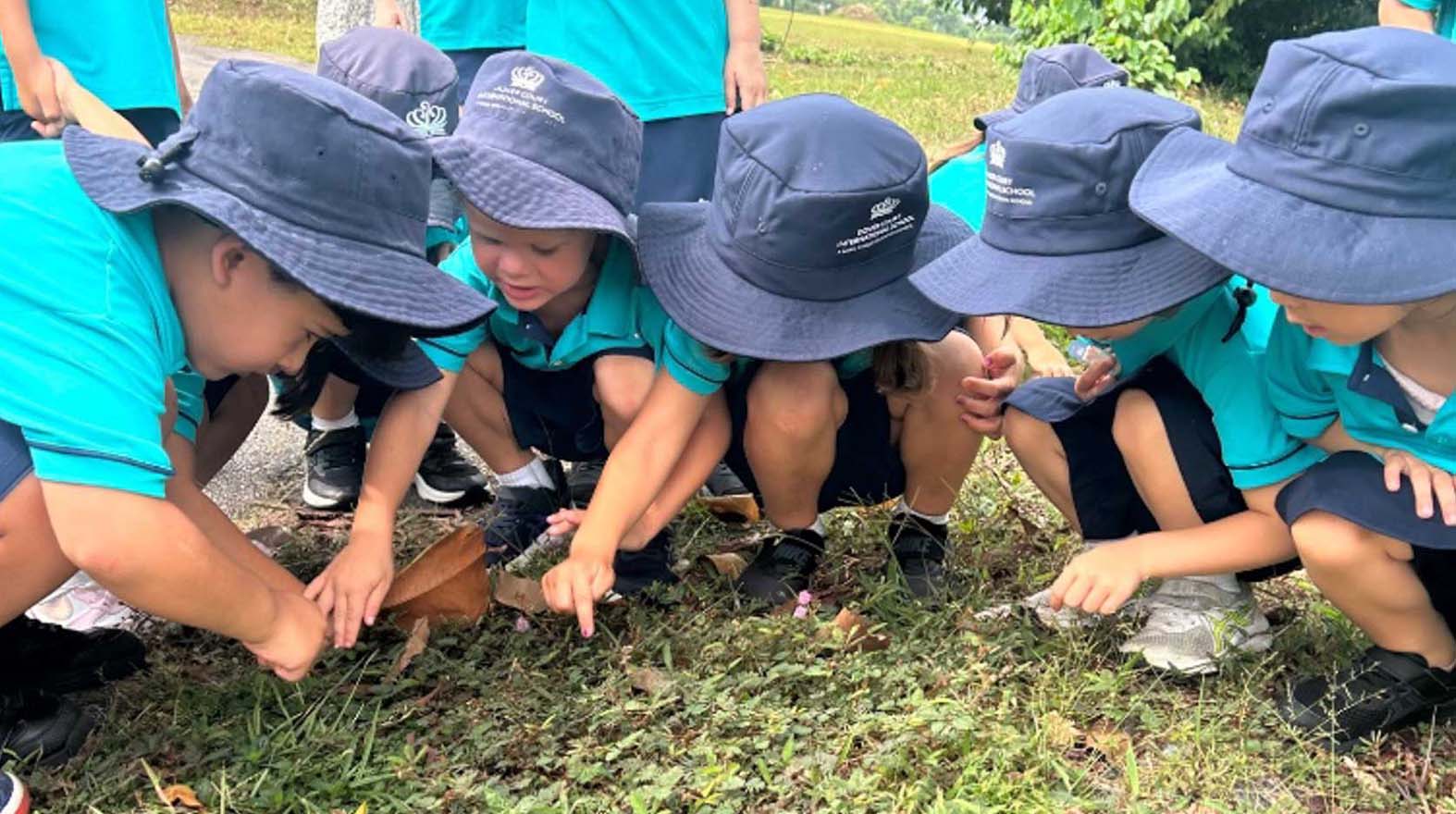
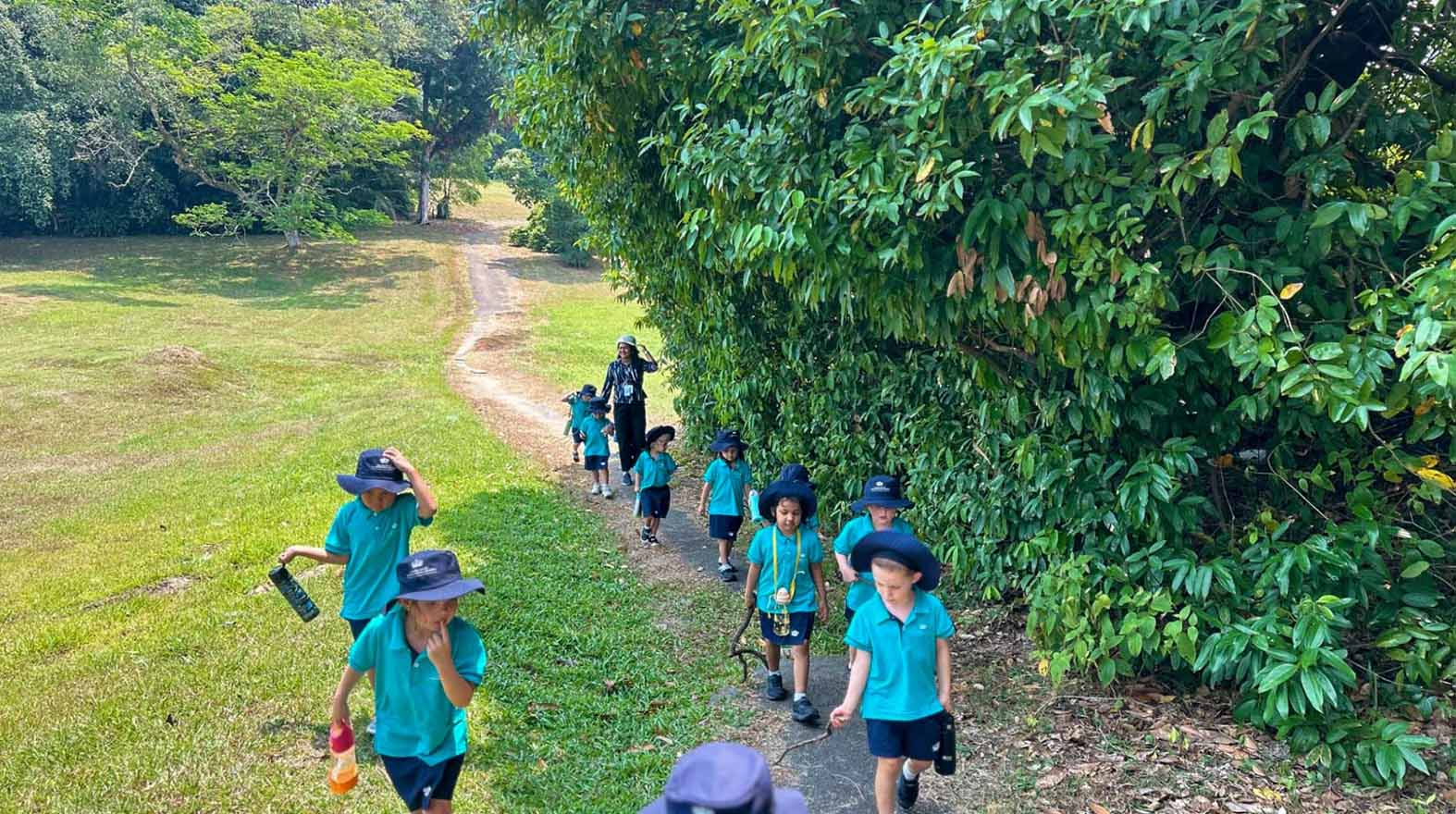
Recently, our Early Years children headed to the park for one of their favourite activities: a nature walk. Armed with curious minds and observant eyes, they collected leaves, sticks, seeds and other natural treasures to bring back to the classroom. What may seem like simple objects quickly became powerful tools for learning.
As NEST Teacher Ben Coles explains: "We love a nature walk. We know all of the mental and physical benefits of spending time outdoors amongst nature, but it's also a wonderful teacher that provides us with lots of treasures to take back to the classroom, sparking wonderful and interesting conversations."
The Environment as a Teacher
This idea closely reflects the Reggio Emilia approach, which describes the environment as the "third teacher". Alongside educators and families, the spaces and materials children interact with every day help shape their learning. A park, a pond, a collection of leaves or a handful of seeds can all become invitations to explore, create and ask questions.
Following Children's Curiosity
During their visit, children began noticing changes in nature and asking thoughtful questions.
"Why is the grass brown?"
"Why are the leaves crispy?"
These moments of curiosity are at the heart of Early Years learning. Through observation, discussion and shared discovery, children begin building an understanding of the world around them.
While children lead the exploration, our experienced Early Years educators play an important role in extending and guiding the learning. By carefully observing children's interests, asking thoughtful questions and introducing resources that extend their thinking, we help turn everyday moments into meaningful learning opportunities.
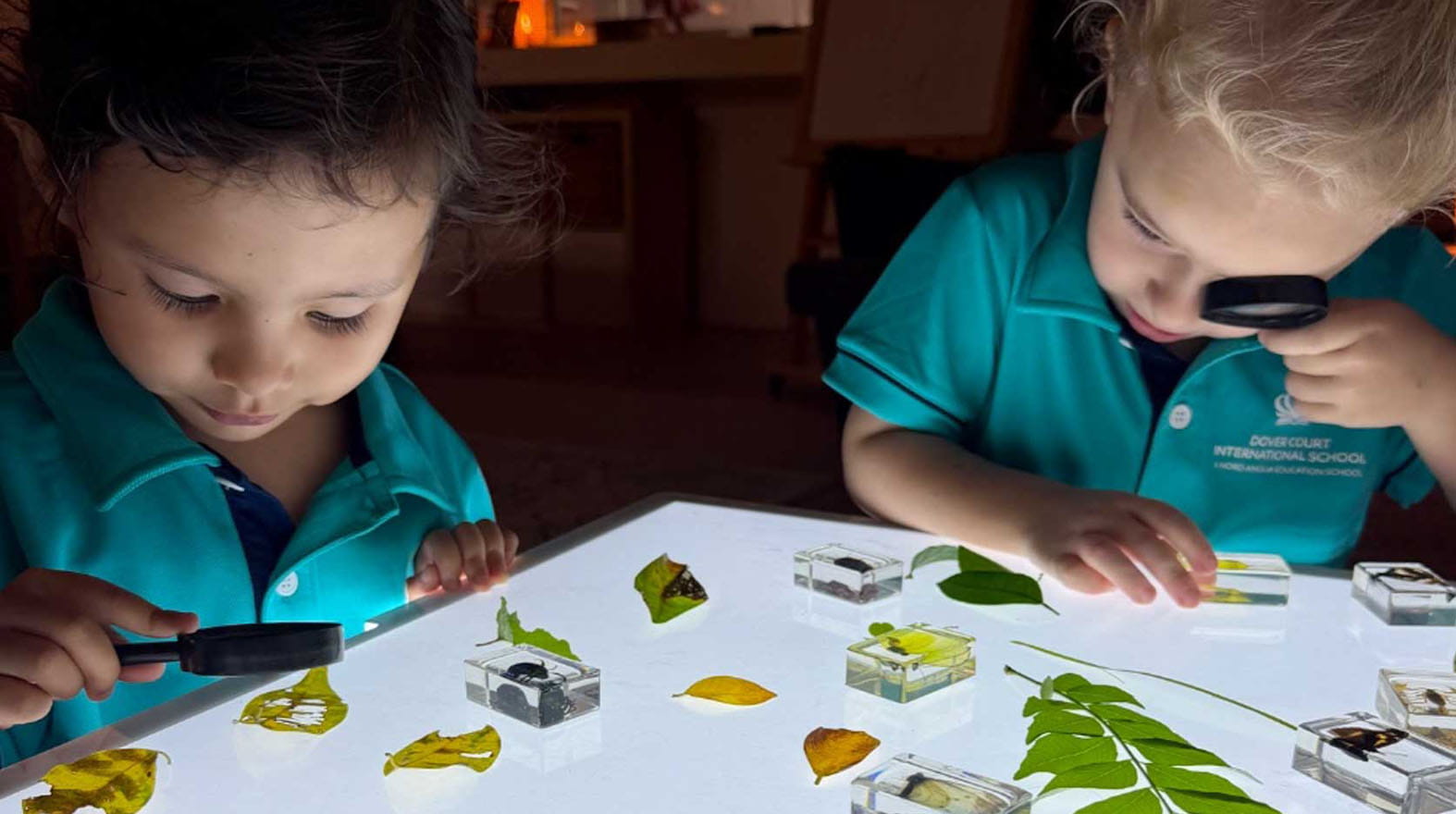
Back in the classroom, the investigation continued. Looking closely at the natural materials they had collected, children became fascinated by the colours, textures and shapes they discovered.
When one child commented, "I can’t see it, it's too small," another quickly suggested, "We can use a magnifying glass."
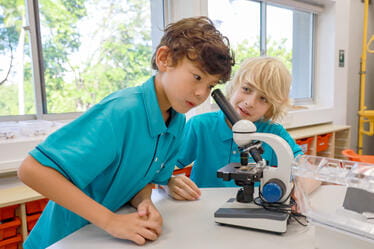
Using magnifying glasses and microscopes encouraged children to slow down and look more carefully. Tiny details that might otherwise have gone unnoticed sparked new conversations and deeper thinking. The children were not simply examining objects; they were making observations, sharing ideas and learning from one another.
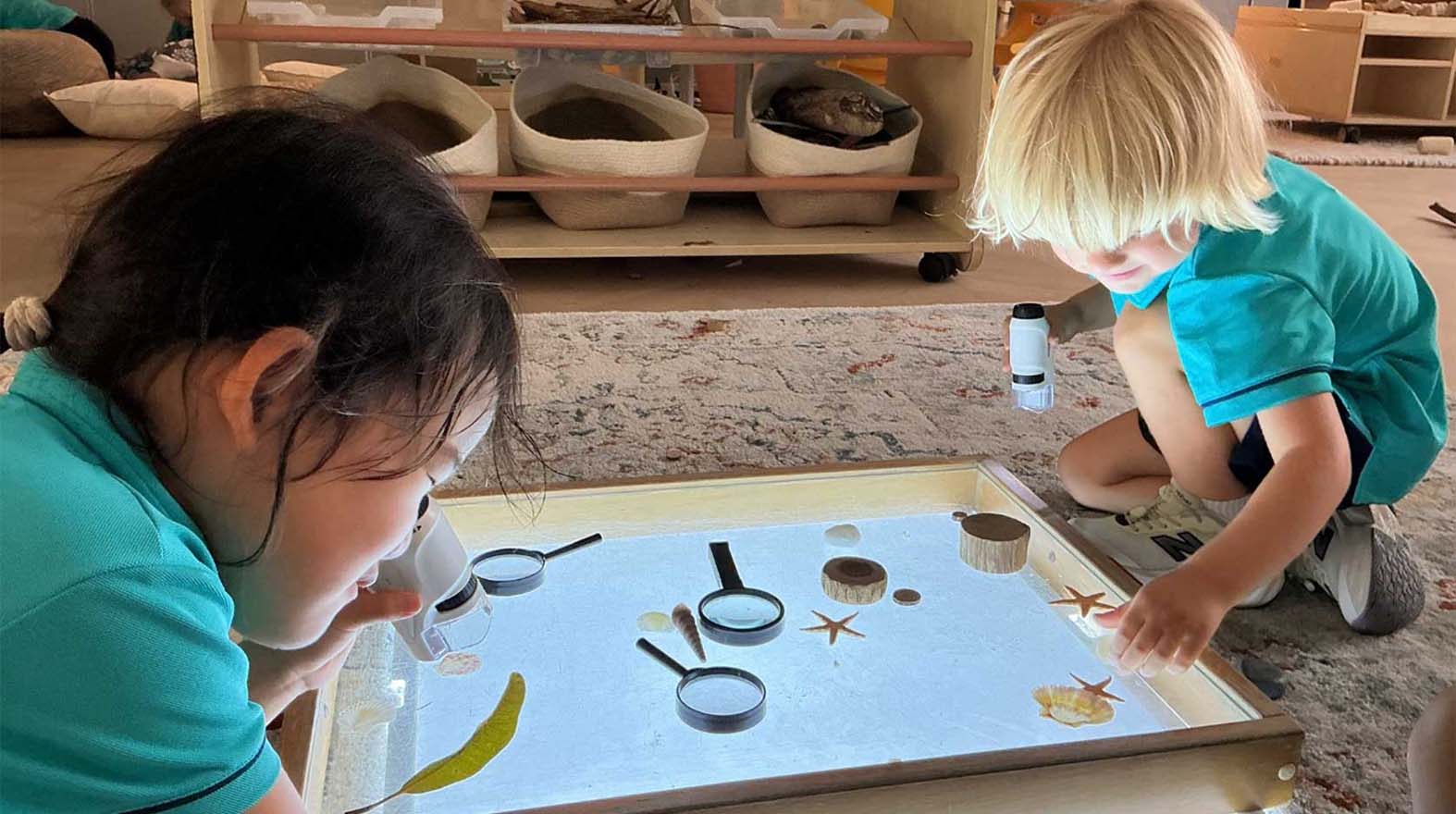
Looking Closely at Nature
The park also sparked creativity. Children discovered faces and characters hidden in sticks and cloud formations, showing how imagination and observation often go hand in hand. One particularly memorable moment came when they spotted kingfishers flying between the pond and the trees. Observing the birds in their natural habitat sparked excitement and prompted further conversations about the living world around them.
From Nature to Creativity
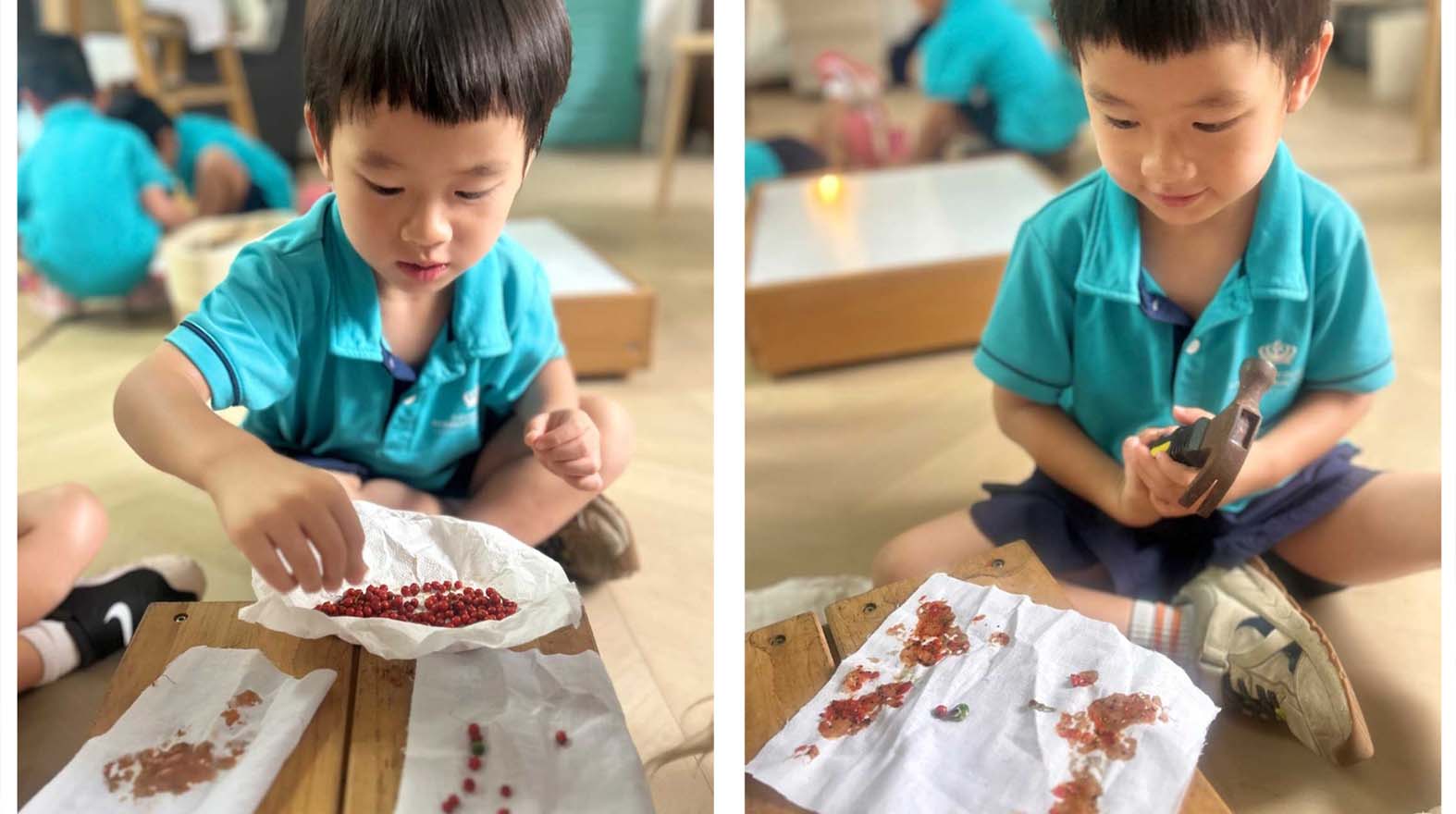
Learning from nature continued through art as children experimented with natural printing using berries they had collected.
By carefully crushing the berries inside folded fabric, they observed colours, patterns and mirrored designs emerging before their eyes. Through this hands-on exploration, children encountered concepts such as symmetry and pattern while developing concentration, perseverance and fine motor skills.
For young children, learning is often at its most powerful when it is connected to real experiences. A simple walk to the park can spark scientific inquiry, language development, creativity, problem-solving and collaboration, often within a single morning.
Most importantly, these experiences help children develop the confidence to explore, question and make sense of the world around them.
At Dover Court, we believe that curiosity is often the starting point for learning. Whether it begins with a question, a leaf collected on a nature walk or a kingfisher spotted by the pond, those everyday moments can lead to meaningful discoveries that stay with children long after the experience itself.
Curious About NEST?
If you'd like to learn more about our Early Learning programme and meet the educators behind it, we invite you to join us at our NEST Open House on 26 September.
Take a tour of our learning spaces, meet our educators, learn more about our play-based approach and discover what makes NEST such a special place for young learners.Find out more and register here.
Related news
News image ![How Dover Court Develops Leadership, Initiative and Human Skills - How Student Voice and Leadership Come to Life at Dover Court]() Blog | Art Drama and Music | Academic
Blog | Art Drama and Music | Academic
 Blog | Art Drama and Music | Academic
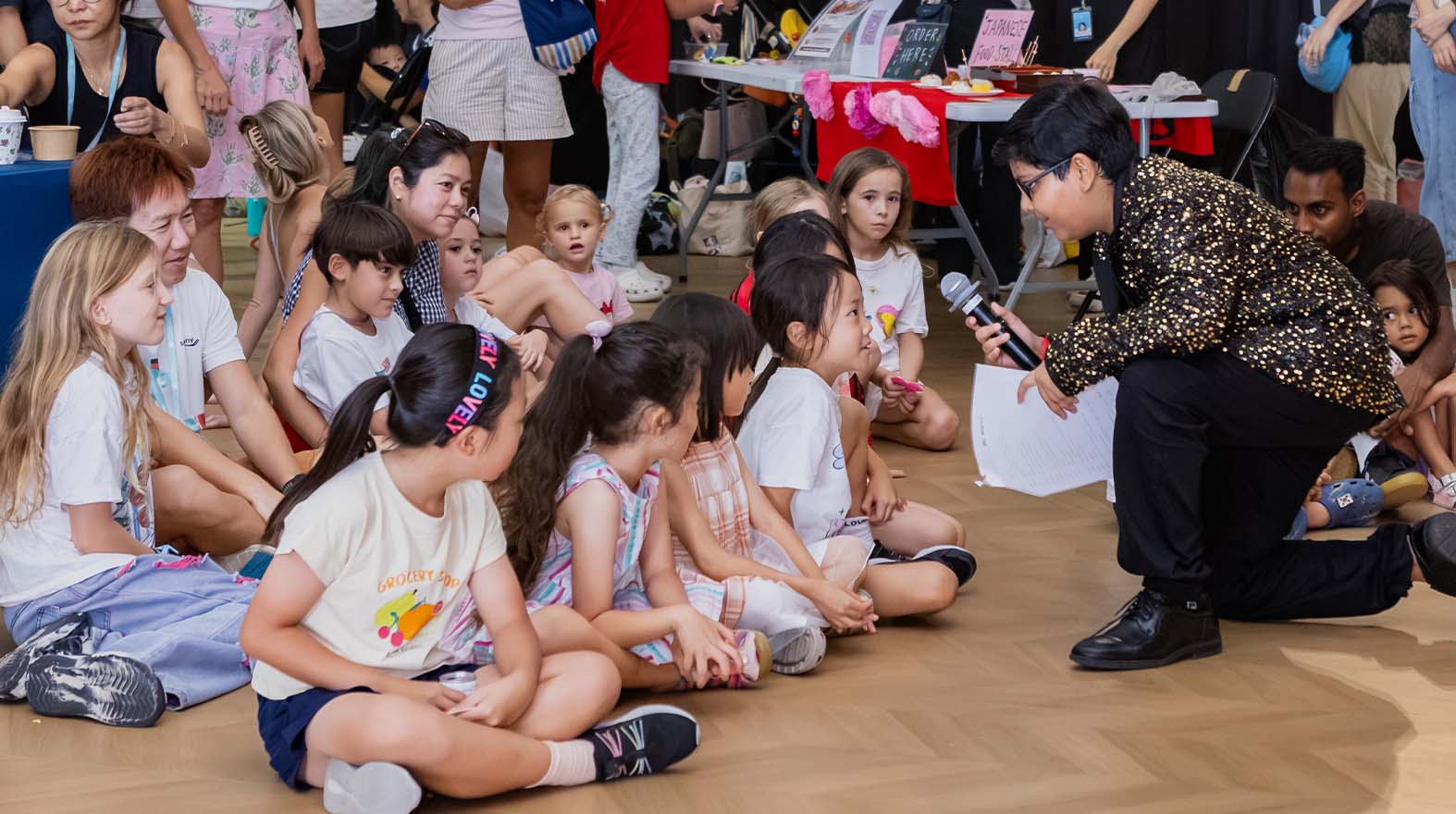
 How Student Voice and Leadership Come to Life at Dover Court
What happens when students are empowered to turn ideas into reality? Discover how Year 9 student Daksh developed leadership, communication and problem-solving skills through a student-led initiative, and how experiences like these help young people develop the human skills needed for the future.
News image ![Why Struggle and Joy Belong Together in Maths | Dover Court International School Singapore - Why Struggle and Joy Belong Together in Maths]() Blog | Academic | Parent Guides
Blog | Academic | Parent Guides
 Blog | Academic | Parent Guides
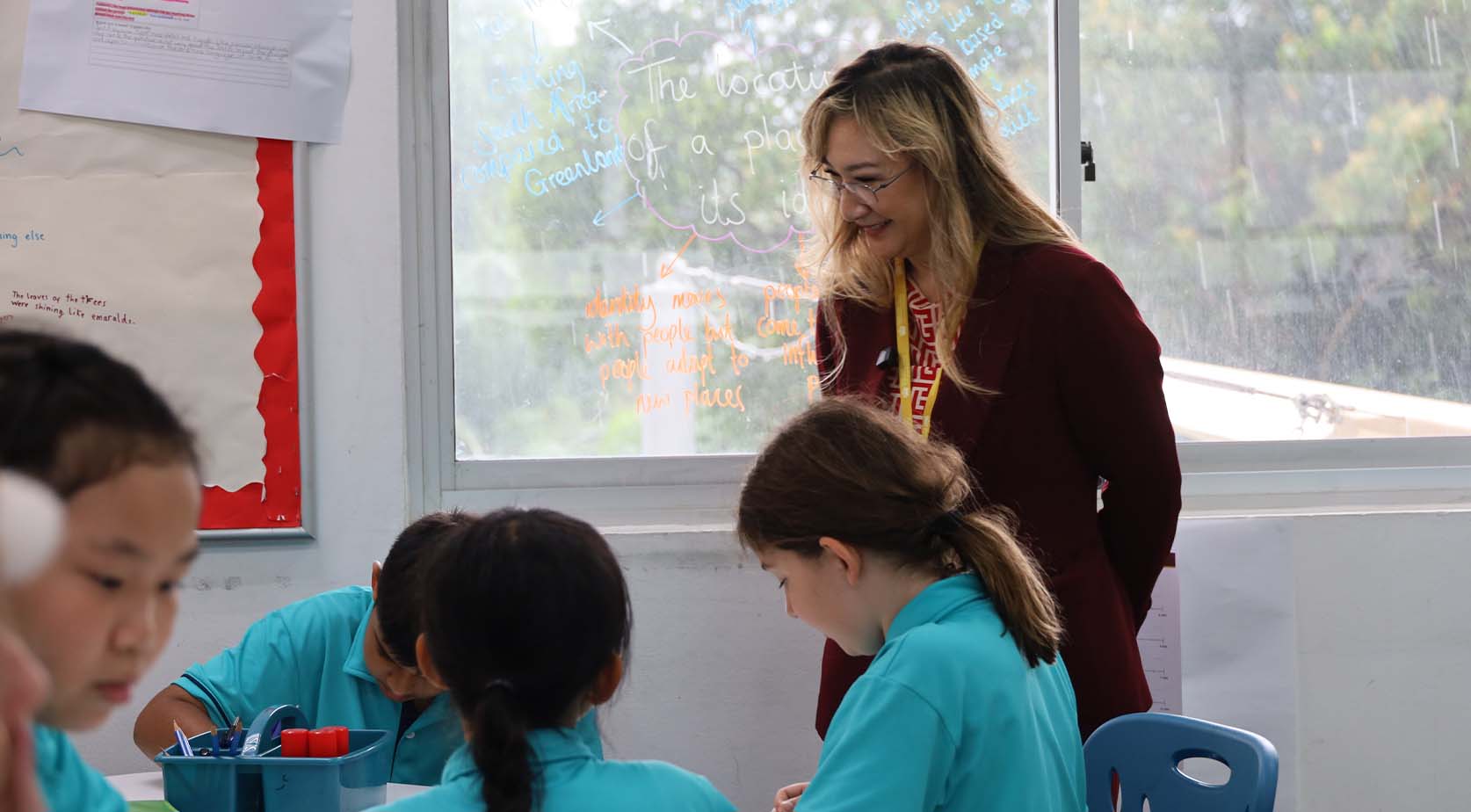
 Why Struggle and Joy Belong Together in Maths: Reflections from a Parent Workshop
How can we help children develop confidence and enjoyment in mathematics? Following a parent workshop at Dover Court International School, internationally recognised mathematics educator Dr Jennifer Chang Wathall explores the relationship between challenge, resilience and joyful learning.
News image ![Inclusive Education in Singapore: Strong SEN Support and Academic Excellence at DCIS - inclusive-education-singapore-sen-support-academic-excellence]() Blog | Academic
Blog | Academic
 Blog | Academic
 Why Inclusion Creates Better Outcomes for Every Student
Can an inclusive school also deliver strong academic outcomes and provide appropriate stretch and challenge for students working above age-related expectations? At Dover Court International School, we believe the answer is yes. Inclusion is embedded across every aspect of school life, from teaching and learning to wellbeing, personalised support and enrichment. Through our Pathway 2 provision and whole-school commitment to adaptive teaching, students receive the challenge and support they need to thrive.
News image ![Dover Court Students Achieve Outstanding LAMDA Results | Dover Court International School Singapore - dovercourt-outstanding-lamda-results-2026]() News | Art Drama and Music | Academic
News | Art Drama and Music | Academic
 News | Art Drama and Music | Academic
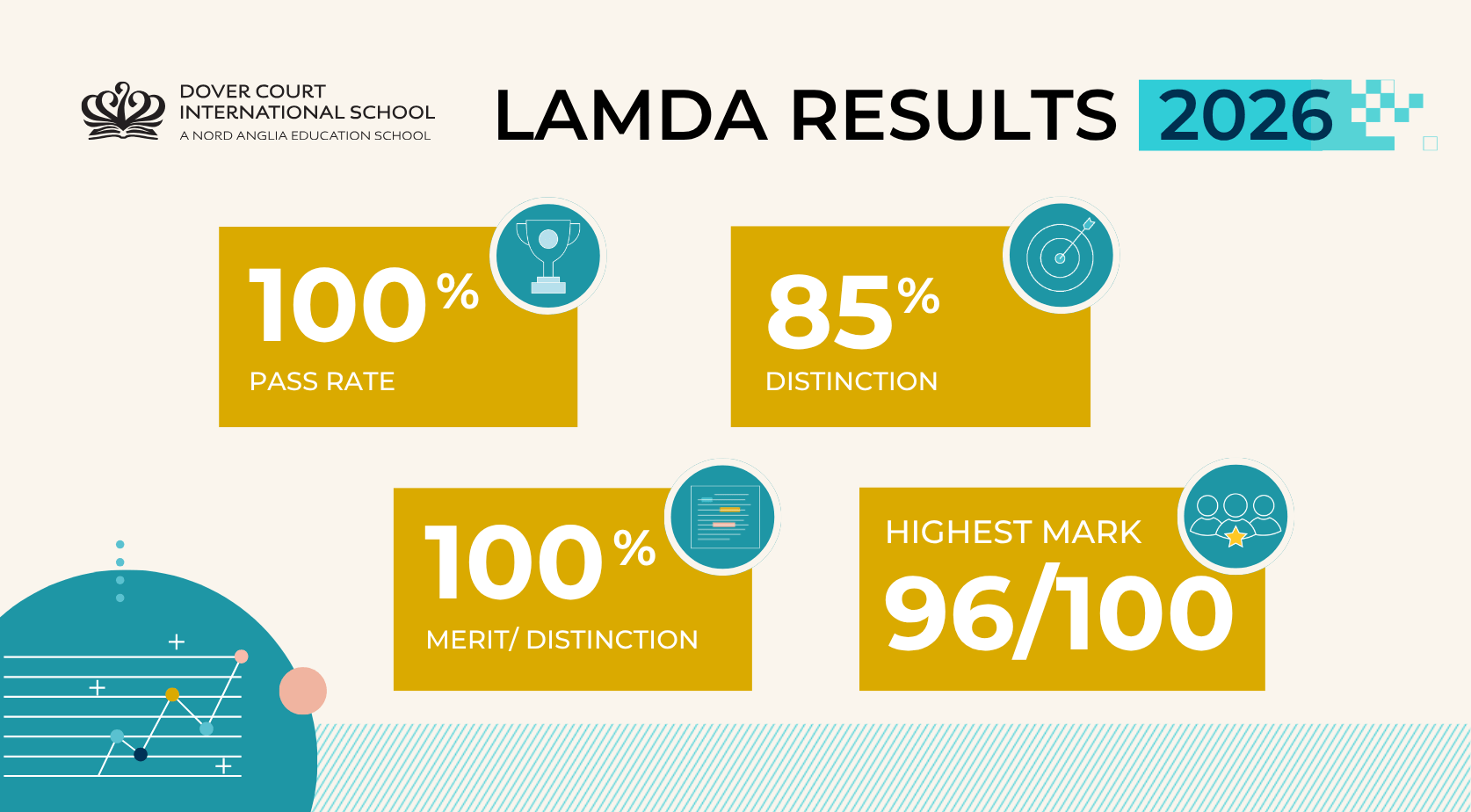
 Dover Court Students Achieve Outstanding LAMDA Results
Dover Court students achieved outstanding LAMDA examination results in 2026, with a 100% pass rate and 85% awarded Distinction. Beyond the results, students developed valuable confidence, communication and performance skills that will support them long after their examinations.


