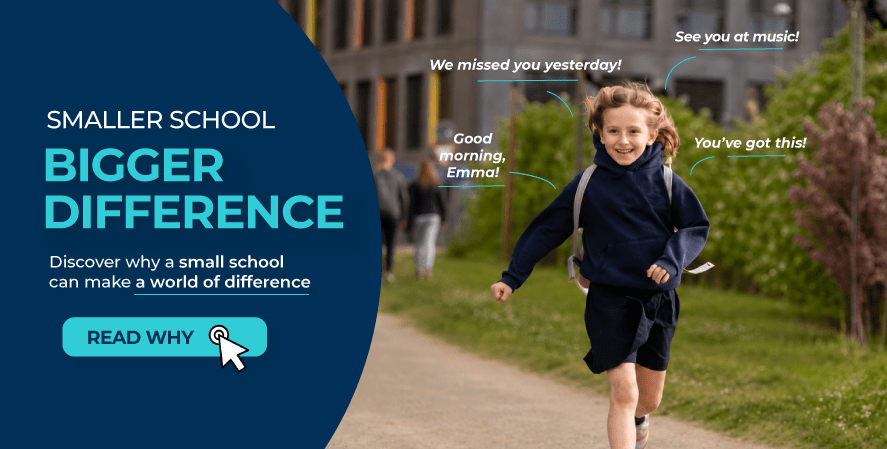
A school where your child is known as a person
At LCIS, teachers know your child by name before the second week of term. This includes not just your child's class teacher, but also the form tutor, the head of year, and the staff your child passes in the corridor every morning. In a school of hundreds, that level of familiarity takes months to develop, if it develops at all.
In a smaller school community, it happens naturally. And it changes everything about how a child experiences school. When your child feels known, they are more likely to speak up in class, ask for help when they need it, and take the kind of academic risks that lead to real progress.
"I am so pleased we chose LCIS. I am continually impressed by each teacher we have met along the way, and how much care and attention my boys receive. Without pressure, they encourage and support and we have seen great progress in their learning." LCIS parent, March 2026
Pastoral care that makes a real difference
Every school has a pastoral care policy. What varies enormously is how that policy translates into daily practice. In large schools, pastoral systems can feel bureaucratic. Issues get referred upwards. Parents wait for feedback. Children fall through gaps.
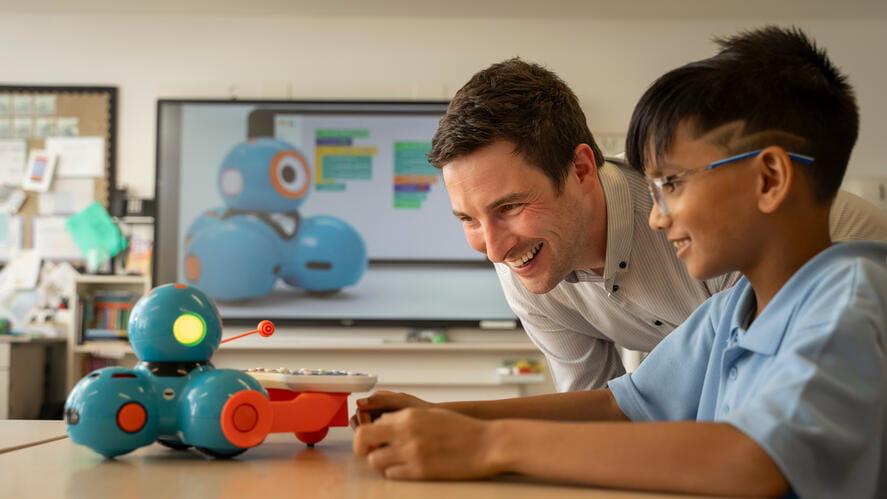
At LCIS, the pastoral structure truly benefits students because the community is small enough for it to work. If your child is having a difficult week, the people around them notice. Form tutors flag concerns early. Parents hear about things before they become problems. That responsiveness is hard to find at a large institution. It comes from a small, close-knit school community.
"Personalised attention. My children are both so happy to go to school and they have so many opportunities and enriching experiences there." LCIS parent, March 2026

Smaller school does not mean fewer opportunities
This is the concern parents raise most often, and it is a fair one. Will my child have access to the same range of sports, arts, activities, and academic challenge as they would at a larger school?
At LCIS, the answer is yes, and in some areas, more. As part of Nord Anglia Education, LCIS students access a global network of partnerships that most large independent schools simply cannot offer.
What parents worry about:
•
Fewer subject choices
•
Smaller sports programme
•
Limited arts and performance
•
Less prestigious reputation
What LCIS offers:
•
Full
IB and IGCSE curriculum •
Partnerships with Juilliard and MIT
•
UNICEF collaboration programme
•
Global Nord Anglia student network
Students at LCIS have collaborated with Juilliard-trained performing arts professionals, taken part in STEAM challenges developed with MIT, and contributed to UNICEF projects with real-world impact. These international learning experiences are rarely found at other schools, no matter their size. They are part of what makes an education at LCIS unique.
Cross-year friendships and a vibrant community
In a large school, year groups can become silos. Students spend most of their time with peers their own age, and the school community fragments into groups that rarely interact.
In a smaller school, year groups mix naturally. Older students take on mentoring roles. Younger children look up to and learn from those ahead of them. Friendships form across ages. That social fabric is one of the things LCIS families consistently mention when they describe what they love about the school.
When bigger is not better
Bigger schools suit some children well. Children who are highly independent, socially confident, and able to self-advocate tend to thrive in large institutions. But for many children, and especially for those who are new to a country, new to an international school, or still finding their feet socially or academically, a smaller community is not a compromise. It is an advantage.
At LCIS, the scale of the school means your child is never just a name on a register. They are a person, with a story, with a specific set of strengths and needs, and with teachers who are looking out for their best interests.
Join our next Open Day
The best way to discover if LCIS is the right fit for your family is to meet us. We run Virtual Open Days and in-person Open Evenings throughout the year, giving you the chance to meet our leadership team, see the school in action, and have your questions answered by our admissions team.
register for an open day