



We use cookies to improve your online experiences. To learn more and choose your cookies options, please refer to our cookie policy.

31 July, 2026
The NAIS Sixth Form Choice Series: University Fit
Helping Families Choose the Right Pathway at NAIS Hong Kong
There comes a point, often during Year 10 or 11, when conversations at home begin to shift.
They move from "How was school?" to something more reflective.
"What are you actually interested in?"
"When you really enjoy a subject, where could it take you?"
"Do you know what kind of learner you are yet?"
The transition into Sixth Form is one of the first times education feels truly personal. For the first time, students are not simply progressing to the next stage — they are choosing a direction.
With that choice often comes uncertainty.
At NAIS Hong Kong, our university counsellor helps families navigate this decision with one guiding principle: Right Fit University.
Not prestige. Not rankings. But the match between a student's strengths, their learning preferences, and their future ambitions.
When students choose a pathway that fits who they are, they perform more confidently. They build stronger applications. And they arrive at university ready to thrive.
Three Pathways. One Purpose.
Our new Sixth Form Centre offers three established pathways, giving students genuine choice based on their learning style, academic strengths, and career direction:
- IB Diploma Programme (IBDP) – Breadth, inquiry, and global readiness
- A-Levels – Depth, focus, and specialisation
- BTEC Nationals – Practical, career-oriented, skills-based learning
There is no "better" choice. Only the best-fit choice for each individual student.
Pathway 1: IB Diploma Programme (IBDP)
Breadth, Inquiry and Global Readiness
The IB Diploma is a world-renowned curriculum that combines academic breadth with intellectual challenge. Students study six subjects across six subject groups, alongside three core components that develop critical thinking, research skills, and community engagement.
Who tends to thrive in the IB pathway?
There is no perfect formula. Every student is different. But certain patterns often emerge.
-Students who enjoy connecting ideas
Some students don't want to narrow their focus too early. They like seeing how subjects relate to each other. They enjoy asking "why?" and making connections across disciplines.
You might hear:
"I like how History and English talk about the same time period."
"Science isn't just in the lab — it's everywhere."
"I want to keep my options open."
For these students, the IB feels expansive. It allows them to explore while still building deep skills in research and thinking.
-Students who want to develop university-ready skills
The IB's core components — Extended Essay, Theory of Knowledge, and CAS — are not add-ons. They are the heart of the experience.
The Extended Essay teaches independent research. Theory of Knowledge asks students to question how they know what they know. CAS pushes them to contribute beyond the classroom.
These are the skills universities look for. And IB students develop them naturally over two years.
-Students who are motivated by academic challenge
The IB is rigorous. It asks students to manage their time, think critically, and reflect on their learning. For students who are ready for that challenge, the IB builds confidence and resilience.
Counsellor insight:
For students who enjoy balance, exploration and academic versatility, the IB offers a broad and internationally respected foundation. The core components develop university-ready skills that admissions officers recognise globally.
Pathway 2: A Levels
Depth, Focus and Specialisation
A-Levels are ideal for students who know their academic direction and want to specialise early. This pathway emphasises depth over breadth, allowing students to focus intensely on the subjects they are passionate about and excel in.
Who tends to thrive in the A Level pathway?
-Students who are beginning to understand their academic strengths
Some students reach the end of Year 11 with a growing sense of clarity. They may not know their exact university course, but they know which subjects feel intuitive and engaging.
You might hear:
"I really enjoy Chemistry."
"History just makes sense to me."
"Maths is definitely my strongest subject."
When a student has that emerging clarity, A Levels allow them to build on it. Instead of maintaining breadth, they deepen expertise. Confidence grows as their learning becomes more concentrated and purposeful.
-Students who prefer depth over variety
Some learners enjoy focusing their attention more narrowly. They are comfortable spending longer on fewer subjects. They value the opportunity to build confidence and understanding over time.
A Levels support this approach by allowing students to concentrate on three subjects in depth. This can be particularly advantageous for those who have begun to identify a potential university pathway or subject specialism.
-Students considering more defined degree pathways
A Levels align particularly well with university courses that require specific subject preparation — Engineering, Medicine, Economics, Law, Sciences and many Humanities disciplines.
Because students specialise, subject choices can be carefully aligned with university entrance requirements. For young people who already have a general direction in mind, this creates purpose and momentum.
Counsellor insight:
If a student thrives on clarity and subject mastery, A Levels provide a streamlined, specialised route recognised globally. The addition of an EPQ (Extended Project Qualification) strengthens applications to competitive universities by demonstrating research capability.
Pathway 3: BTEC Nationals
Practical, Career-Oriented, Skills-Based Learning
BTEC Nationals are vocational qualifications. They are equivalent to A-Levels, but they are assessed differently — through projects, assignments, and practical demonstrations, not final exams.
Who tends to thrive in the BTEC pathway?
-Students who learn by doing
Some students understand theory best when they can apply it to real scenarios. They build confidence by doing, not just by writing.
You might hear:
"I'd rather work on a project than sit a big exam."
"I like seeing how things work in the real world."
"I learn best when I can get my hands on something."
For these students, BTEC feels natural. They don't have to fit into an exam-only model. Instead, they are assessed in ways that reflect how they actually learn.
-Students with a clear career interest
BTEC qualifications are designed around specific industries — Business, Health and Social Care, Sport, Creative Media, and more.
If a student already has a career direction in mind, BTEC allows them to build knowledge and skills that are directly relevant.
-Students who want to develop employability skills
In an era where AI is automating routine tasks, future-proof careers require uniquely human skills — creativity, problem-solving, collaboration, and practical application.
BTEC develops these capabilities alongside subject knowledge. Students graduate not just with qualifications, but with experience in working on real-world problems.
Counsellor insight:
Universities increasingly recognise that BTEC students arrive with maturity, work-readiness, and hands-on experience. For the right learner, this is not an alternative route — it is the best route.
Why Learning Environment Matters
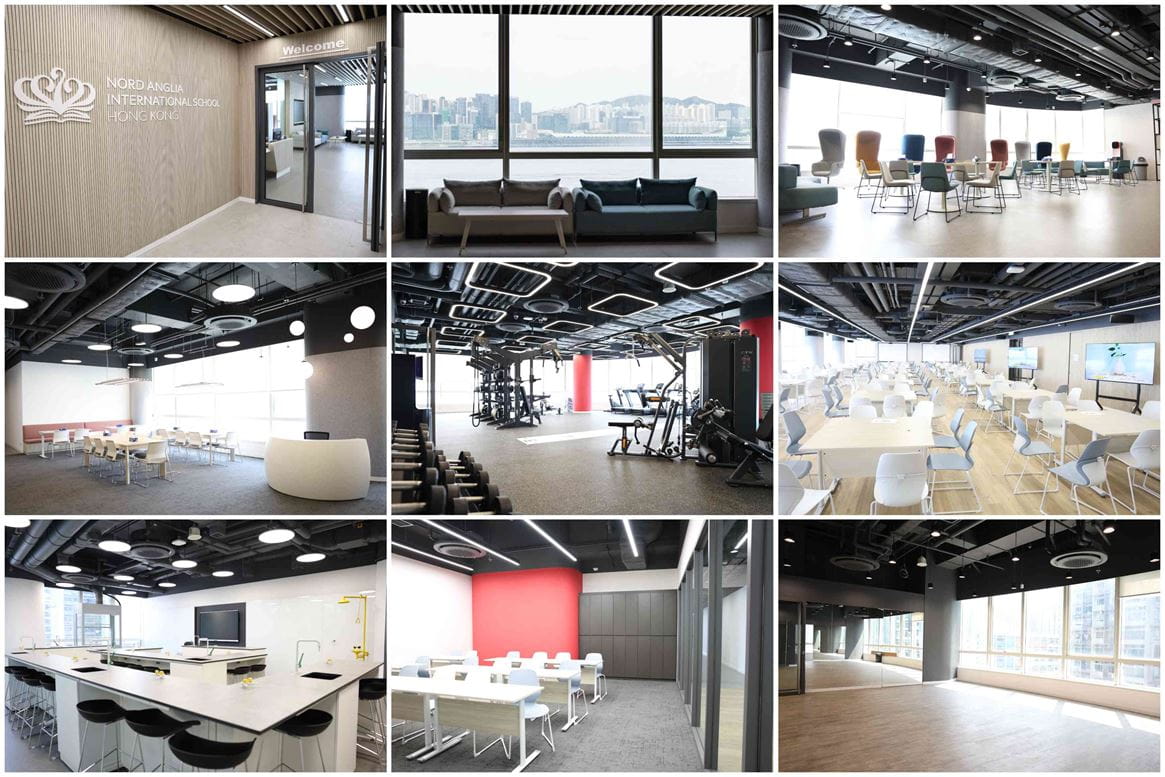
Beyond curriculum choice, NAIS Hong Kong's new Sixth Form Centre in Hung Hom provides an environment designed to support independent, university-style learning:
- University-style seminar rooms for discussion-based learning
- Individual and collaborative study zones
- Specialist subject teachers with deep expertise
- Structured academic mentoring
- Integrated, personalised university counselling
The atmosphere reflects the transition students are making — from school learners to young adults preparing for university or employment.
A Question to Guide Your Thinking
As you reflect on the move into Sixth Form, consider this:
Does your child feel energised when they can specialise and go deeper into fewer subjects?
Or do they feel more confident when they can explore broadly and connect ideas across disciplines?
Or do they respond best to a more practical, hands-on approach to learning — applied, coursework-based, and linked to real-world outcomes?
Your child may already know which question feels most true. Or they may still be discovering the answer. That is perfectly normal.
A Counsellor's Advice for Families
When advising students, we encourage them to reflect on these questions:
- How do I learn best — through depth or breadth? Through exams or coursework?
- Do I know my intended degree and career direction, or do I want to explore?
- Which pathway strengthens my applications to the universities I am targeting?
- What are my academic strengths, and which pathway allows me to showcase them best?
There is no perfect formula. Every student is different.
But when a student chooses a pathway that fits who they are, something shifts. Work feels more meaningful. Effort feels more natural. Confidence grows.
Empowering Students for Success Beyond School
With three established pathways, a purpose-built Sixth Form Centre, and a personalised counselling model, NAIS Hong Kong ensures every student finds the route that supports their ambitions — whether that leads to the UK, Hong Kong, Singapore, Europe, the United States, direct employment, or beyond.Our goal is simple:
To help every student become the learner that universities and employers worldwide are looking for: confident, capable, skilled, and uniquely themselves.
Choosing well matters. And it is a decision best made thoughtfully, with your child at the centre of it.
Related news
News image ![Secondary Campus Weekly Update 28 Sep 2026 - Secondary Campus Weekly Update 28 Sep 2026]() News
News
 News
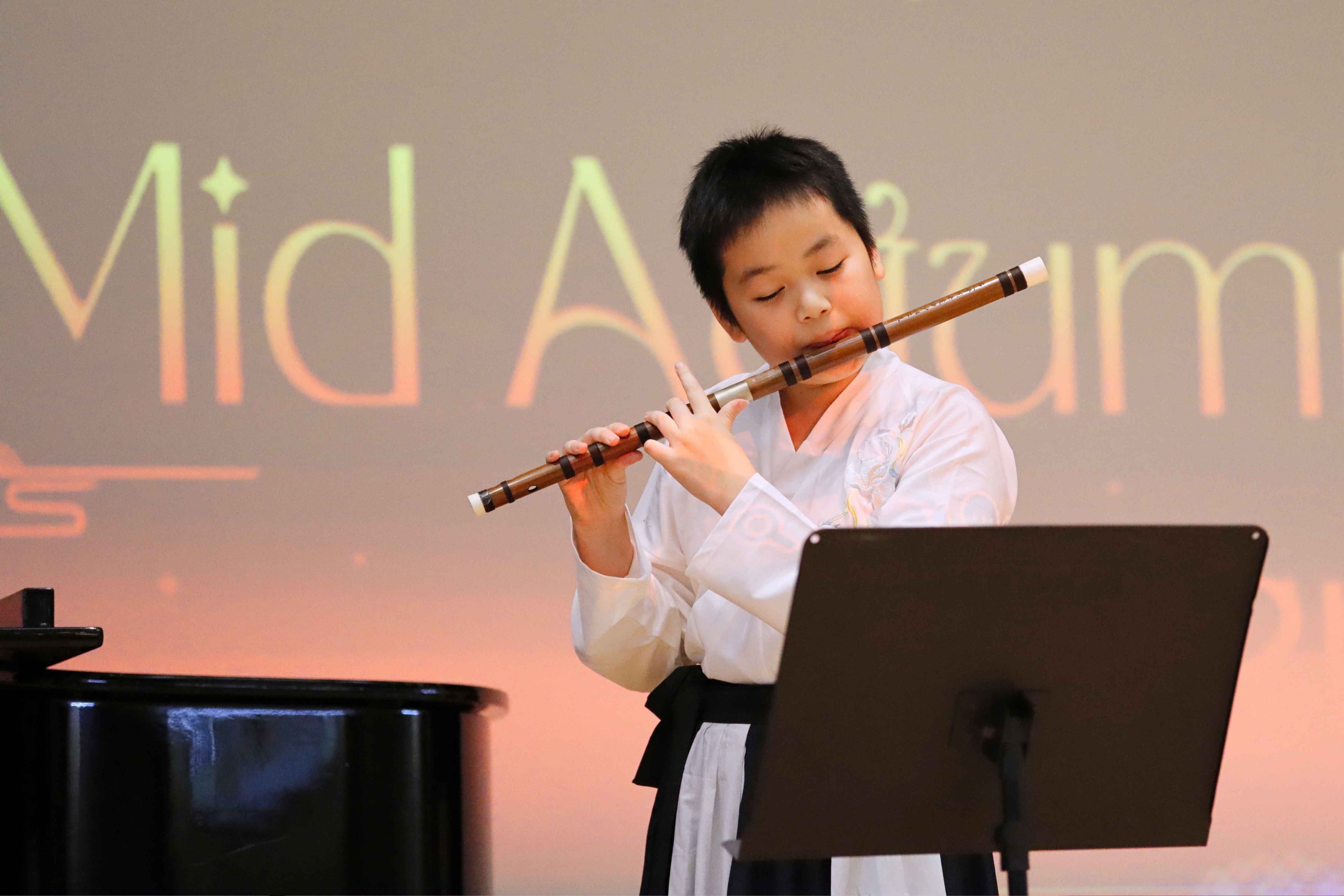
News Secondary Campus Weekly Update 28 Sep 2026
As our community gathered to celebrate the Mid-Autumn Festival, I hope you all enjoyed a joyful and memorable weekend filled with family, friendship and tradition.
News image ![Match Reports and Sports Update 28 Sep 2026 - Match Reports and Sports Update 28 Sep 2026]() News
News
 News
News Match Reports and Sports Update 28 Sep 2026
Our recent Mermaid Swimming Experience with Mermaid Ocean Palace Hong Kong was a truly unforgettable enrichment opportunity for our primary students. Combining aquatic skill development, creativity, confidence building and teamwork, the session provided an exciting and unique learning experience beyond the traditional curriculum.
News image ![Primary Campus Weekly Update 28 Sep 2026 - Primary Campus Weekly Update 28 Sep 2026]() News
News
 News
News Primary Campus Weekly Update 28 Sep 2026
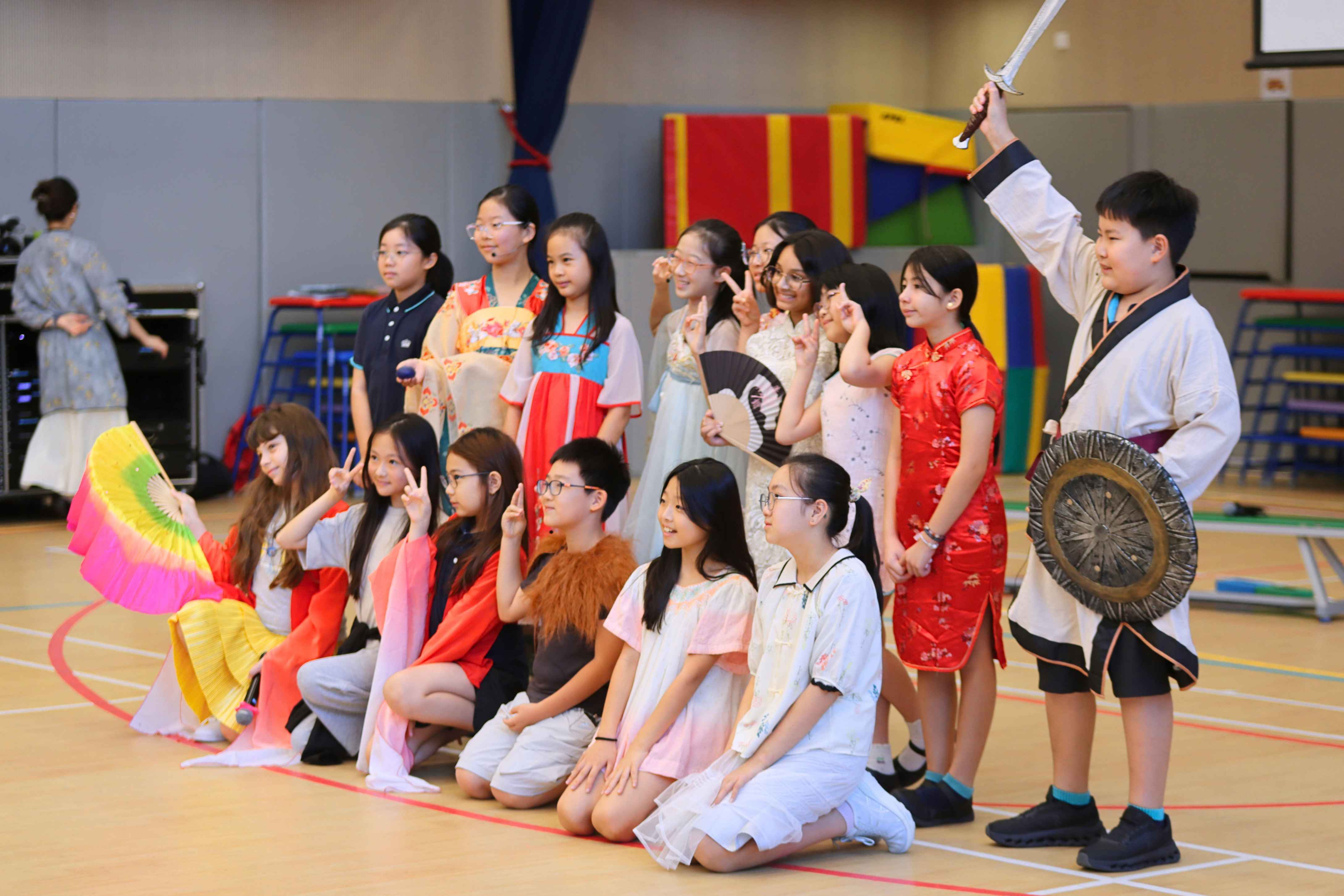
Last week we launched our NAIS HK ECA provision for Term 1 because we believe that a well-rounded education extends far beyond the classroom.
News image ![Early Years Campus Weekly Update 28 Sep 2026 - Early Years Campus Weekly Update 28 Sep 2026]() News
News
 News
News Early Years Campus Weekly Update 28 Sep 2026
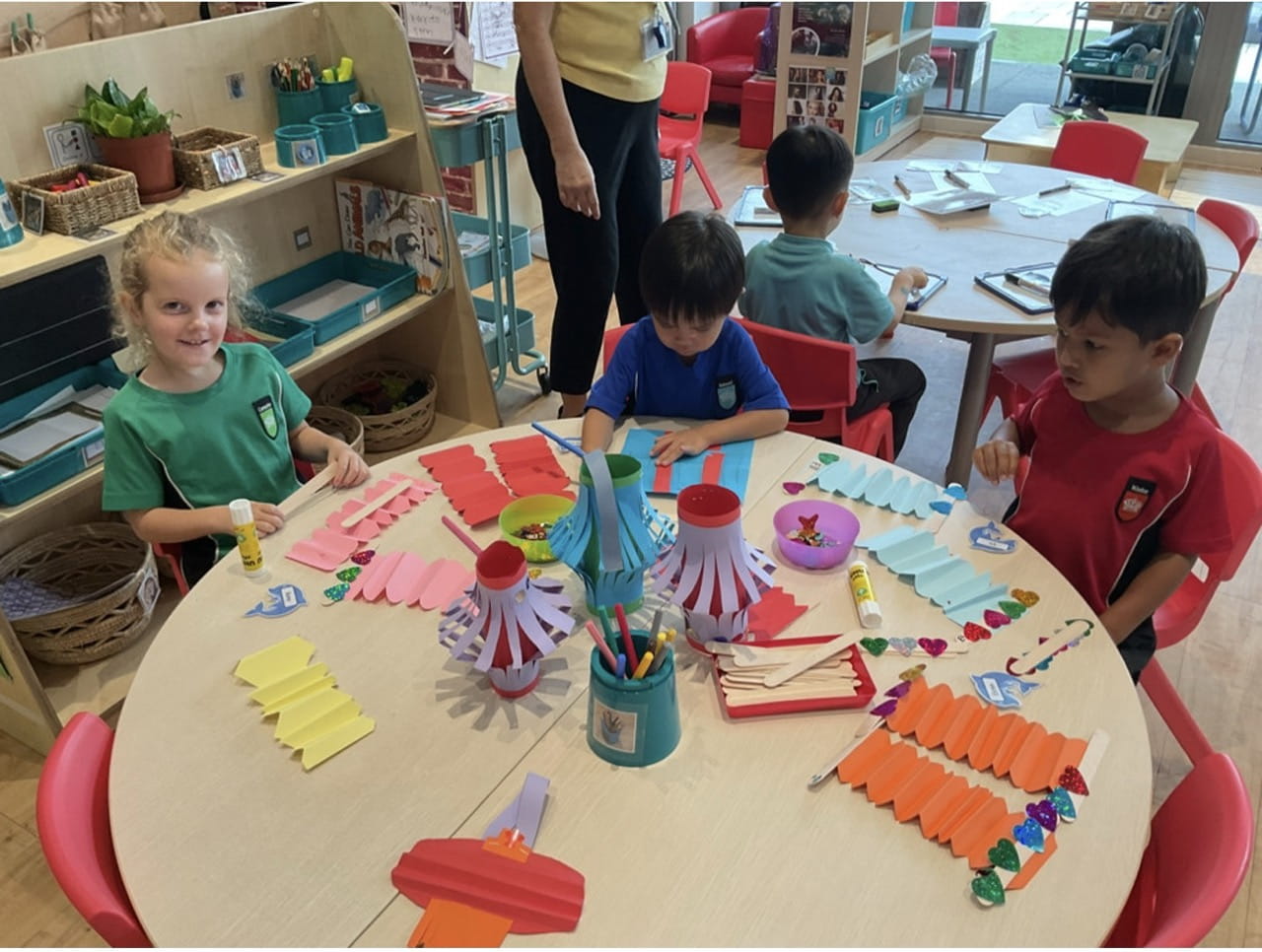
I hope you all had a wonderful Mid-Autumn Festival celebration with family and friends. It was lovely last week to feel the excitement throughout the school as the children talked about the festival, shared their plans, and enjoyed activities such as lantern-making and even some mooncake tasting.


