These weren't tasks with obvious solutions or step-by-step instructions. Students had to think like engineers, testing ideas, learning from failures and redesigning their approaches until they achieved success.
MP1: The Gingerbread Zipline Challenge
Years 1 and 2 students faced their first major engineering task with enthusiasm and determination. Their challenge was to create a zipline that could transport a gingerbread man from one point to another using only the materials provided.

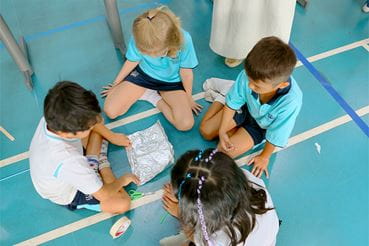
Teachers supplied string, tape, straws, paper clips and scissors. However, they gave no instructions or guidance on how to build the zipline. Students had to work in groups, discuss ideas and figure out the engineering themselves.

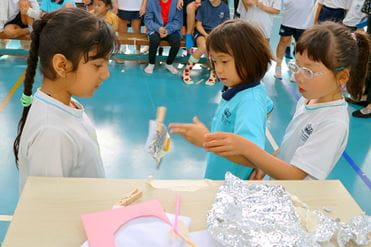
The trial and error process began immediately. Some groups discovered their zipline sagged too much in the middle. Others found their gingerbread man wouldn't slide down at all. A few groups watched their creation work perfectly on the first attempt whilst others needed multiple redesigns.
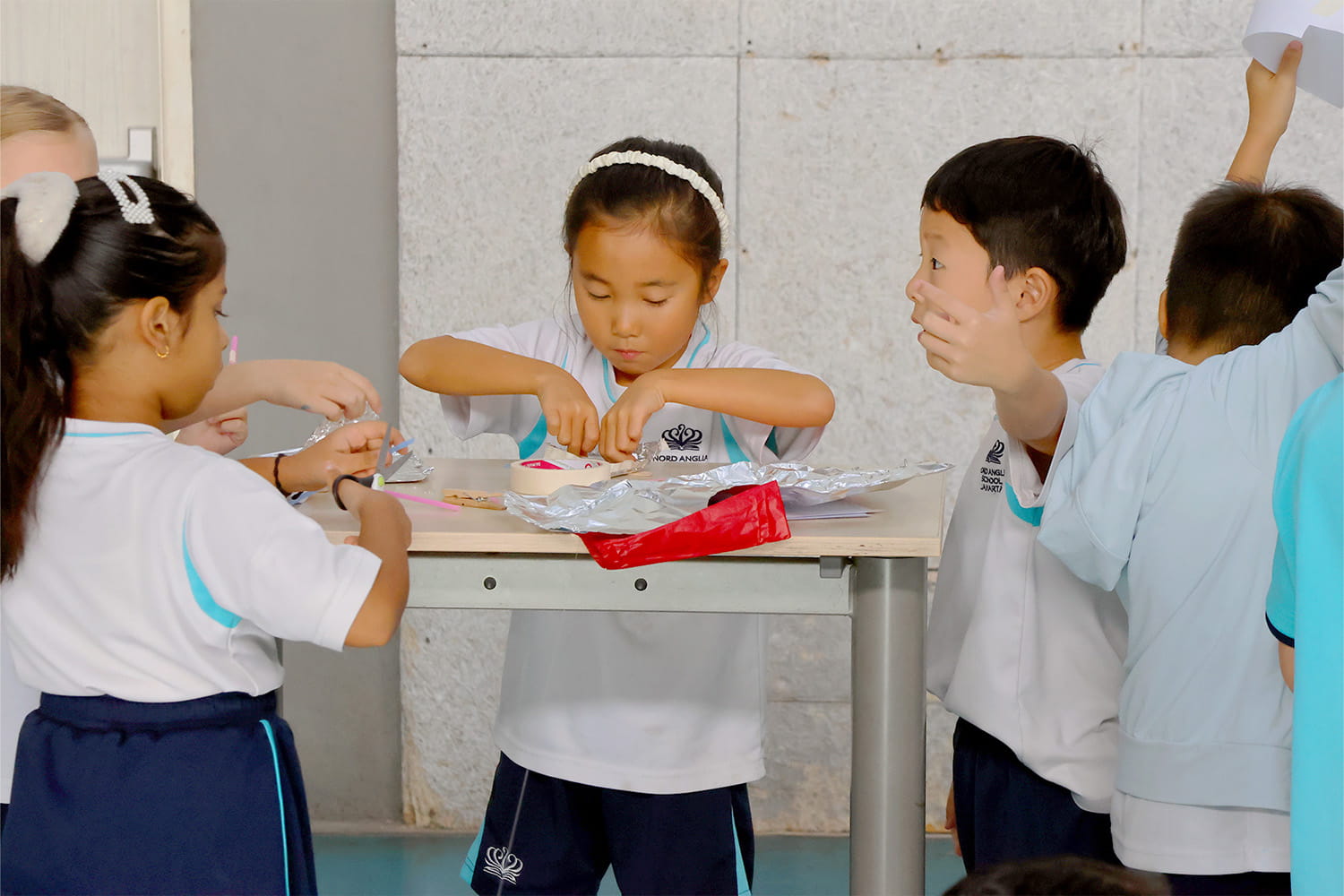
What made this challenge particularly valuable was watching students support each other through setbacks. When one approach failed, groups gathered to discuss what went wrong and what they might try next. They learned that engineering rarely works perfectly the first time and that persistence matters as much as initial ideas.
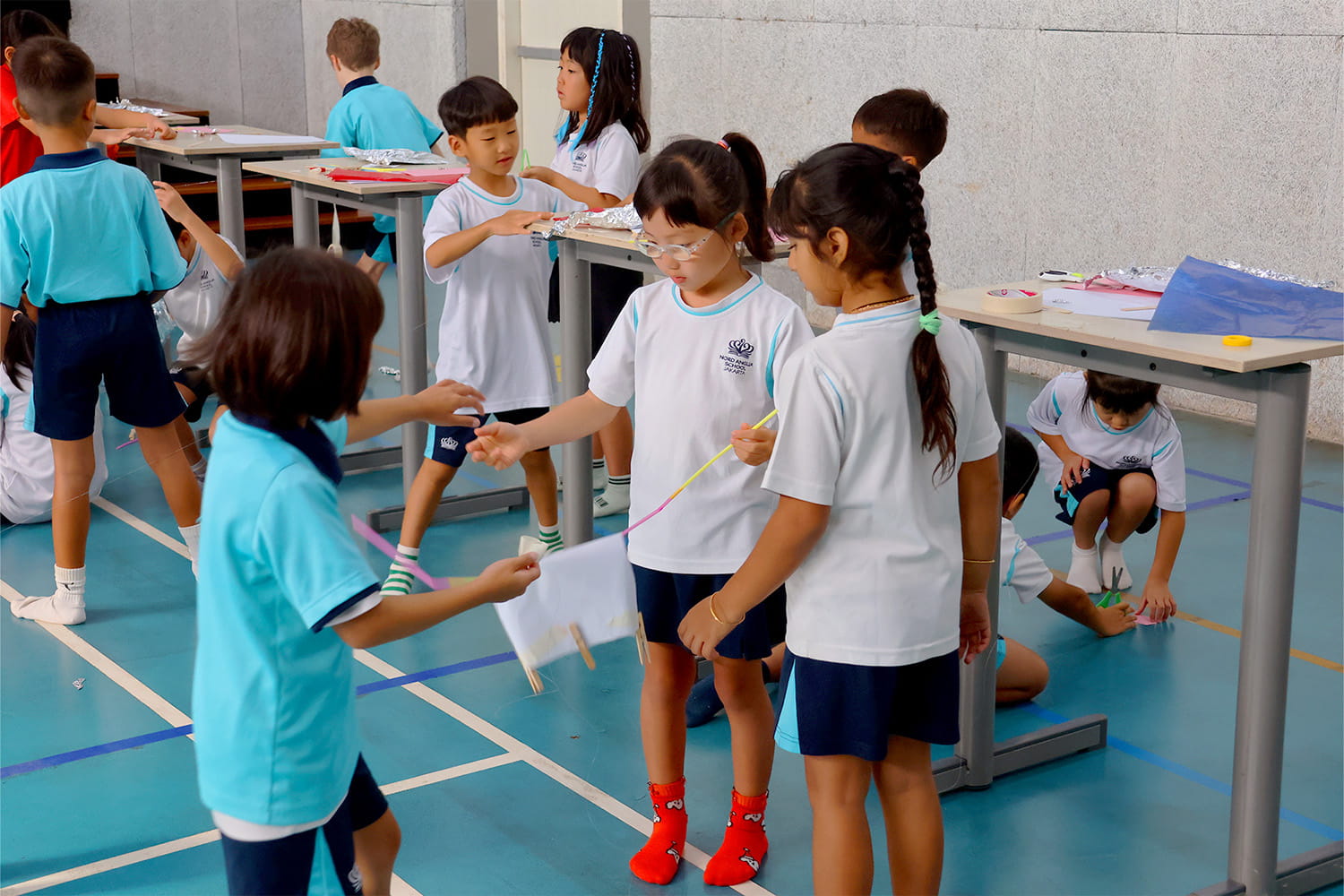
By the end of the session, most groups had successfully transported their gingerbread men down ziplines they'd designed and built themselves. The pride on their faces demonstrated the power of hands-on engineering challenges for young learners.
MP2: Save the Dinosaur Egg
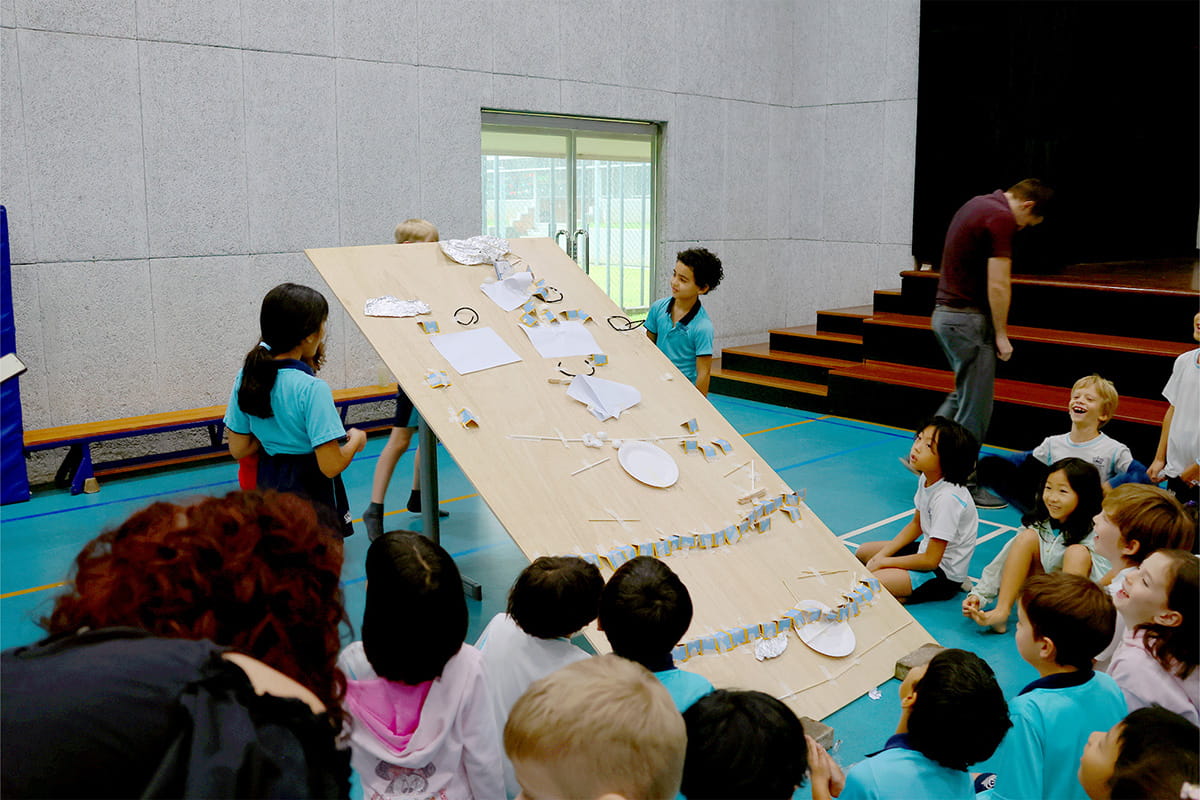
Years 3 and 4 students tackled a different kind of engineering problem that required careful planning and precise execution. Their task was to save a dinosaur egg (represented by a ping pong ball) by creating obstacles on a ramp to slow its descent.
The challenge came with specific constraints. Students could use materials like cardboard, foam, cotton balls, paper and straws. They had to tape everything directly onto the board. The ping pong ball still needed to reach the ground but couldn't fall off the ramp or fall too quickly.

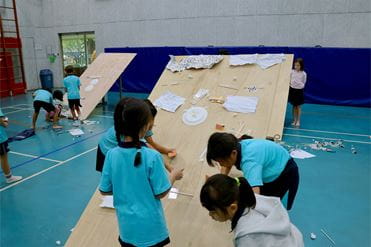

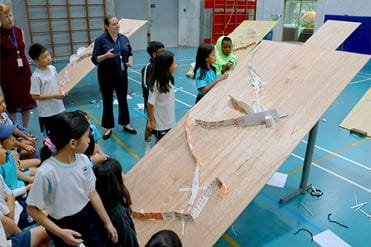
Groups approached this challenge with varied strategies. Some created zigzag paths to slow the ball's momentum. Others built cushioned landing zones at different points on the ramp. Several teams experimented with different materials to see which provided the most effective friction.
The teamwork aspect became crucial here. Students had to assign roles, share materials and agree on design approaches. Disagreements arose about the best strategy but groups learned to discuss options and reach consensus.

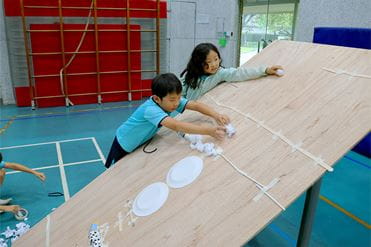
Many teams discovered that their first designs allowed the egg to fall too quickly. They regrouped, analysed what happened and adjusted their approach. Some added more obstacles. Others changed the materials they used or repositioned existing elements.
Success came through iteration. Groups that embraced the trial and error process typically found solutions faster than those who spent too long planning without testing. This hands-on lesson about the engineering design process will serve these students well in future challenges.
MP3: Rubber Band Cars
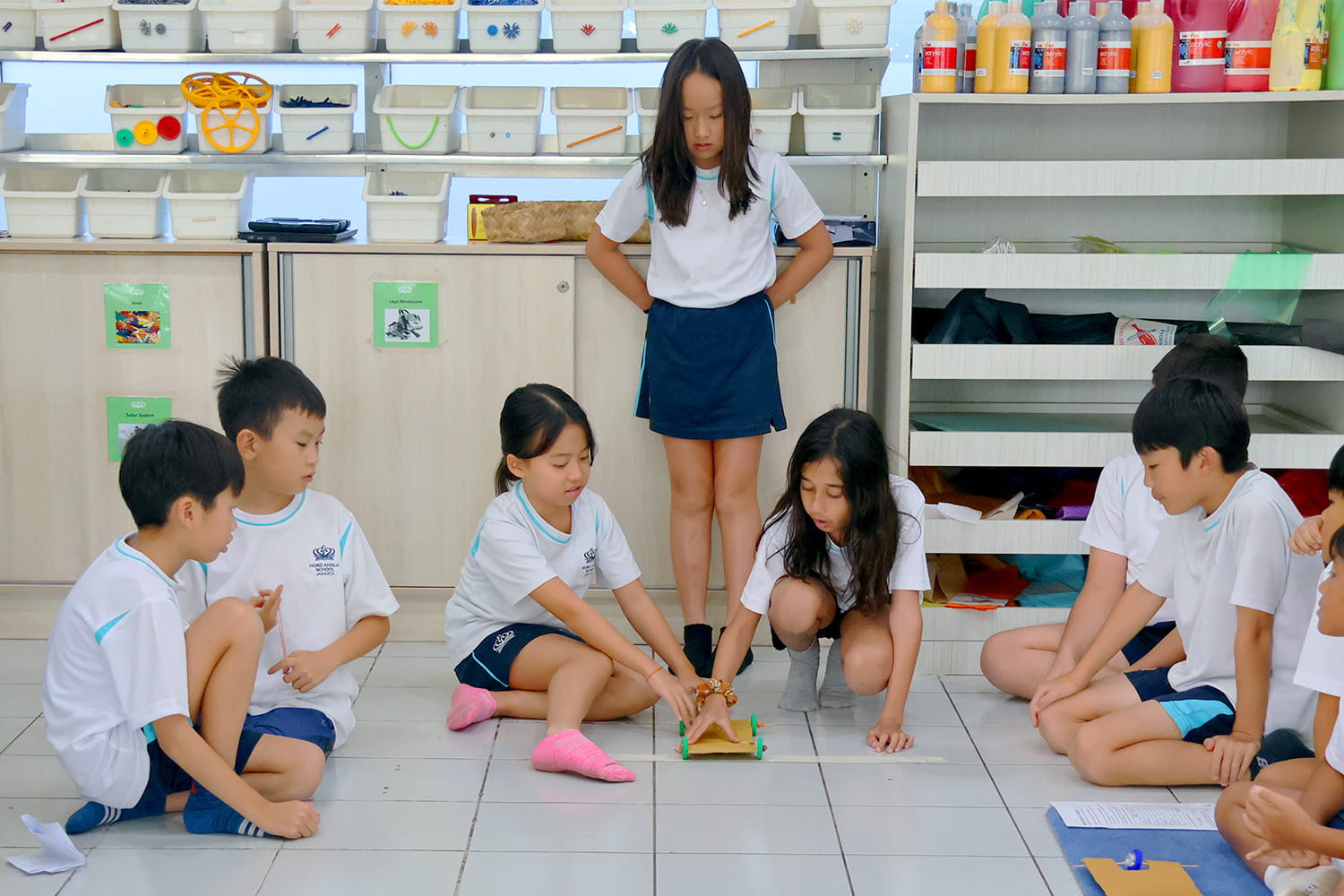
Years 5 and 6 students faced the most complex engineering challenge of the week. They had to design and build cars powered entirely by rubber bands, with the goal of making them travel as far as possible.
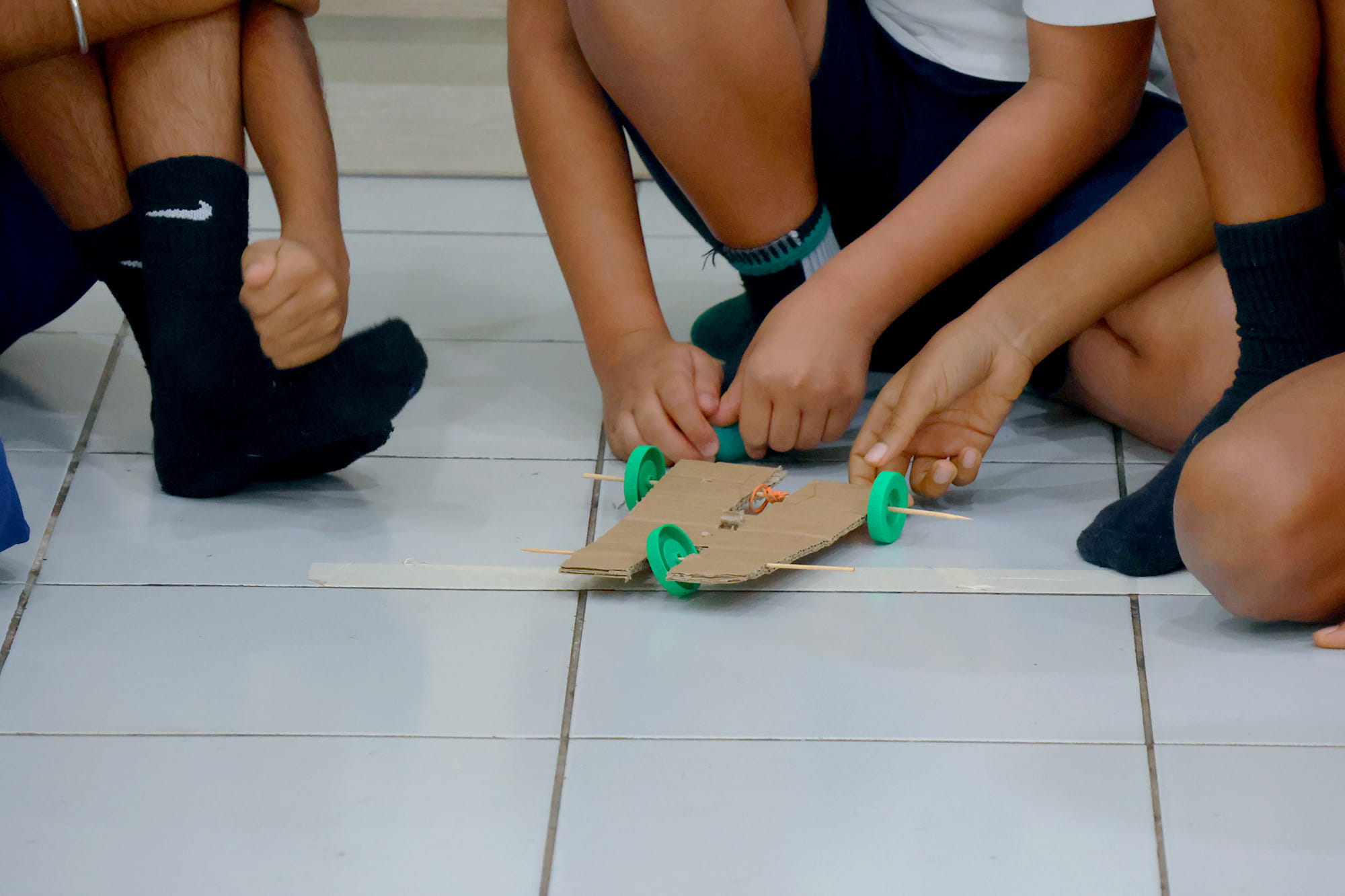
Students received rubber bands, cardboard, wheels, axles, straws, bottle caps and wooden skewers. The cars needed a frame, at least one axle and at least one wheel. Beyond these basic requirements, the design was entirely up to them.
This challenge involved understanding multiple engineering concepts. The rubber band stores elastic potential energy that converts to kinetic energy when released. The wheel and axle system needs to work smoothly with minimal friction. The car's weight distribution affects how well it travels.

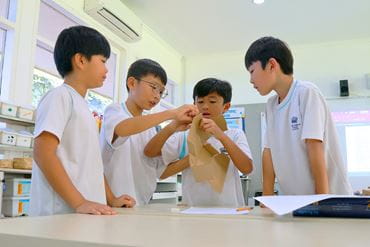
The room buzzed with activity as students wound rubber bands, tested prototypes and discussed modifications. Some cars barely moved. Others zoomed across the floor. A few veered off course immediately.
Students learned quickly that small adjustments made significant differences. Moving the axle slightly, changing how the rubber band attached or adjusting the wheel size could transform a car's performance. Groups that tested frequently and made incremental changes typically achieved better results than those who built elaborate designs without testing.


Collaboration proved essential. Some team members excelled at assembly whilst others had better ideas for design improvements. Students who shared responsibilities and listened to each member's input generally created more successful cars.
The challenge also taught resilience. When cars failed to perform as hoped, students had to resist frustration and return to problem-solving. They learned that engineering is an iterative process where failure provides valuable information for the next attempt.
Engineering Mindsets in Action
Across all three challenges, students demonstrated the values we champion at Nord Anglia School Jakarta. They showed curiosity by asking questions and exploring possibilities. They practised collaboration by working effectively in teams. They built resilience by persevering through setbacks.
These engineering challenges embodied our commitment to hands-on, meaningful learning. Students weren't passively receiving information. They were actively engaging with real problems that required creative thinking and practical skills.
The excitement in each classroom reflected genuine engagement with learning. Students wanted to succeed not because teachers told them to but because they'd invested effort into their creations and wanted to see them work.
STEAM Week's engineering challenges gave students more than technical knowledge about ziplines, friction or energy conversion. They developed problem-solving approaches, teamwork skills and the understanding that failure is a necessary step toward success. These lessons will serve them well throughout their education and beyond.