

31 March, 2026
Emotional Literacy: The Quiet Skill Behind Academic Success
.jpg?h=499&iar=0&w=887&rev=db7dcf24b18745d2be6d4409f9ea657d&hash=6CDAB23B794A89F5D09BD1945DB1C5A7)
A PERSONALISED JOURNEY TO SUCCESS
At The British College of Brazil, we put students' best interests at the heart of everything we do. Contact our Admissions team today to discover how our teachers will tailor your child’s journey – preparing them for success, no matter what the future brings.
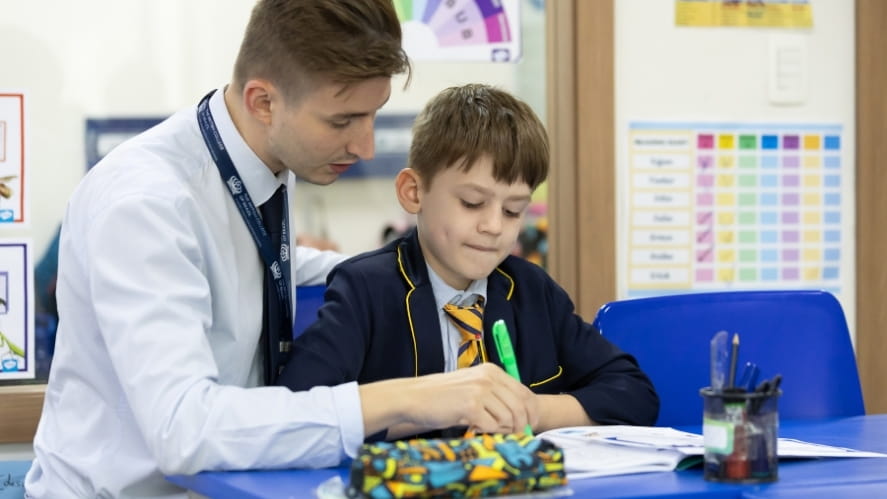
Enquire nowWhen a child sits down to learn, they bring far more than their books and pencil case. They arrive carrying the emotions of the day so far. What happened at breakfast, on the journey to school, or in the moments before the bell rang all comes with them into the classroom.
For many children, those feelings do not disappear once a lesson begins. They stay present. When emotions go unrecognised or unmanaged, even confident and capable students can struggle to focus, engage, or persevere with their learning.
This is something we understand deeply and take seriously at The British College of Brazil.
Emotional literacy is the ability to recognise, understand, and manage emotions, both individually and in relationships. It includes self-awareness, empathy, emotional regulation, and clear communication.
Research from Yale’s Center for Emotional Intelligence shows that students with strong emotional literacy demonstrate better concentration, healthier relationships, and improved academic outcomes. In practice, emotional skills are not separate from learning. They support learning quietly, every day.
At BCB, we take a proactive approach.
Emotional literacy is embedded into daily school life. It shapes classroom routines, teacher-student relationships, and our pastoral care systems. It is not treated as an add-on, but as part of how we teach, support, and connect with students.
Our Primary Wellbeing Lead, Ms. Beatriz Sanchez, explains:
“Many children want to do well, but their emotions can overwhelm them before learning even begins. Our role is to help them build the tools to manage that, before it becomes a barrier.”
When children develop these skills gradually and consistently, they grow in confidence and resilience. These are qualities that support them far beyond their school years.
• Children learn to name and understand their emotions, giving them the language to express what they feel and reducing emotional confusion.
• Teachers model calm, reflective responses, showing students how to approach challenges with thoughtfulness and self-control.
• Safe spaces for dialogue are created, allowing students to feel heard, supported, and respected.
• Wellbeing is embedded within pastoral care, forming a continuous thread throughout school life.
Mr. Deane Lindhorst, one of our Year 4 teachers, explains why emotional safety supports academic growth:
“When children feel emotionally safe, they are more willing to take academic risks. They ask questions, try new approaches, and keep going when learning feels challenging. That is when meaningful learning happens.”
When children feel secure, their attention improves. Motivation increases. Relationships with peers and teachers strengthen. Learning becomes a positive experience rather than a source of stress.
When emotional needs are unmet, even highly able students may disengage or lose confidence in their abilities. Emotional literacy does not remove challenges. It equips children to face challenges with resilience and self-belief. This is why, at BCB, student wellbeing and academic excellence are never treated as competing priorities. They work together, deliberately and consistently.
At BCB, we believe a world-class British education develops the whole child. It is academically rigorous, emotionally intelligent, globally aware, and grounded in care.
Emotional literacy may work quietly in the background, but its impact lasts a lifetime.
Discover how BCB supports your child’s wellbeing and academic journey. Book a school visit today.
For many children, those feelings do not disappear once a lesson begins. They stay present. When emotions go unrecognised or unmanaged, even confident and capable students can struggle to focus, engage, or persevere with their learning.
This is something we understand deeply and take seriously at The British College of Brazil.
Why emotional literacy matters in today’s schools
Children today are growing up in a fast-paced, highly stimulating world. Pressure, uncertainty, and social challenges are part of everyday life. Feelings such as anxiety, frustration, or emotional overload are not signs of weakness. They are signs that children need guidance as they learn to understand themselves and others. This is where emotional literacy plays a vital role.Emotional literacy is the ability to recognise, understand, and manage emotions, both individually and in relationships. It includes self-awareness, empathy, emotional regulation, and clear communication.
Research from Yale’s Center for Emotional Intelligence shows that students with strong emotional literacy demonstrate better concentration, healthier relationships, and improved academic outcomes. In practice, emotional skills are not separate from learning. They support learning quietly, every day.
A proactive approach to wellbeing at BCB
In many schools, emotional support becomes visible only when a problem arises. This might be during conflict, exam stress, or moments of emotional distress.At BCB, we take a proactive approach.
Emotional literacy is embedded into daily school life. It shapes classroom routines, teacher-student relationships, and our pastoral care systems. It is not treated as an add-on, but as part of how we teach, support, and connect with students.
Our Primary Wellbeing Lead, Ms. Beatriz Sanchez, explains:
“Many children want to do well, but their emotions can overwhelm them before learning even begins. Our role is to help them build the tools to manage that, before it becomes a barrier.”
When children develop these skills gradually and consistently, they grow in confidence and resilience. These are qualities that support them far beyond their school years.
Emotional literacy in practice
At BCB, emotional literacy is visible in everyday interactions.• Children learn to name and understand their emotions, giving them the language to express what they feel and reducing emotional confusion.
• Teachers model calm, reflective responses, showing students how to approach challenges with thoughtfulness and self-control.
• Safe spaces for dialogue are created, allowing students to feel heard, supported, and respected.
• Wellbeing is embedded within pastoral care, forming a continuous thread throughout school life.
Mr. Deane Lindhorst, one of our Year 4 teachers, explains why emotional safety supports academic growth:
“When children feel emotionally safe, they are more willing to take academic risks. They ask questions, try new approaches, and keep going when learning feels challenging. That is when meaningful learning happens.”
The connection between emotional security and academic achievement
The link between emotional wellbeing and academic performance is well established.When children feel secure, their attention improves. Motivation increases. Relationships with peers and teachers strengthen. Learning becomes a positive experience rather than a source of stress.
When emotional needs are unmet, even highly able students may disengage or lose confidence in their abilities. Emotional literacy does not remove challenges. It equips children to face challenges with resilience and self-belief. This is why, at BCB, student wellbeing and academic excellence are never treated as competing priorities. They work together, deliberately and consistently.
How families can support emotional literacy at home
A strong partnership between school and family is essential. Emotional learning does not stop at the school gate, and simple daily practices at home can have a powerful impact.
Families can support emotional literacy by:
- Talking openly about emotions and using specific language. Instead of “How was your day?”, try “What was the most challenging part of today, and how did you handle it?”
- Acknowledging feelings before offering solutions. Feeling understood helps children regulate their emotions more effectively.
- Modelling healthy coping strategies. Children learn by observing how adults manage frustration, disappointment, and uncertainty.
Educating the whole child for life
Academic success and emotional wellbeing are not an either-or choice. When schools and families nurture both, children are better prepared for exams, university, and the wider world beyond the classroom.At BCB, we believe a world-class British education develops the whole child. It is academically rigorous, emotionally intelligent, globally aware, and grounded in care.
Emotional literacy may work quietly in the background, but its impact lasts a lifetime.
Discover how BCB supports your child’s wellbeing and academic journey. Book a school visit today.
Related news
News image ![International Schools in São Paulo: 5 Questions to Ask | BCB - Choosing an International School]() Blog | Global Education | globaleducation
Blog | Global Education | globaleducation
.jpg?h=499&iar=0&w=887&rev=1be910b57b6d4c0ab806b10acefd323a&hash=1BED00FCB6185EB2C9A988F33FCD9D53) Blog | Global Education | globaleducation
Blog | Global Education | globaleducation Choosing an International School? 5 Questions to ask first
Five questions to help you find an international school where your child learns alongside the world, not just about it.
News image ![Why Teachers Still Matter in a Digital Classroom | BCB - Why teachers still matter in a technology-driven classroom]() Blog
Blog
 Blog
Blog Why your child’s teacher matters more than the technology in the classroom
Technology is changing how children learn, but the role of the educator remains essential. Discover why great teaching goes far beyond delivering information.