20 February, 2026
In an AI world, human skills matter most: global study shows students strengthen critical capabilities by up to 72%
.jpg?h=570&iar=0&w=593&rev=0f19501568814dcbba4bb9cc1554a500&hash=BCA6E6FEDE07CA5395F3AFCAD201C552)
As AI accelerates into classrooms and workplaces around the world, a new global study suggests the real advantage for the next generation won’t be technical fluency alone, but it will be the human skills that technology cannot replicate.

Nord Anglia Education, the world’s leading international schools organisation, has published the final report from its two-year Metacognition Research project in partnership with the Lynch School of Education and Human Development at Boston College.
The findings show that when students are explicitly taught to understand how they learn, they significantly strengthen the very human capabilities AI cannot replicate, by as much as 72%.
The global study spanned 29 schools in 20 countries, involving more than 12,000 students and 5,000 teachers. Over 500,000 student reflections were captured through Nord Anglia’s purpose-built platform, designed to measure growth in skills that are traditionally difficult to quantify.
Teaching the skills AI can’t replace
While AI can generate answers instantly, it cannot replace skills like collaboration, curiosity, creativity, and critical thinking.
Teachers involved in the research reported students’ measurable gains across all of these ‘durable human’ skills:
+72% in collaboration
+70% in curiosity
+69% in creativity
+68% in critical thinking
+60% in commitment
+59% in compassion
Daily use of simple, structured “Thinking Routines” - short reflection strategies embedded into classroom practice - drove particularly strong results, with gains of at least 40% across all skills, and up to 50% in curiosity and compassion.
In addition:
Up to 96% of teachers believe metacognition prepares students for success beyond school.
78% reported stronger student reflection.
71% observed greater independence.
And 85% of students say they now understand their strengths more clearly.
Preparing students to lead, not compete, with AI
Dr Kate Erricker, Group Head of Education Research and Global Partnerships at Nord Anglia Education, said: “AI can process information at scale. What it can’t do is help a child understand how they think, adapt when faced with uncertainty, or collaborate meaningfully with other people. Our research shows that when students build metacognitive awareness, they become more confident, independent, and resilient. It’s why we’re helping our students develop those capabilities for success in an AI-driven world.”
Read Nord Anglia’s report here.
Related news
News image ![BISB Students Achieve Outstanding IGCSE Results in 2026 - BISB Students Achieve Outstanding IGCSE Results in 2026]() News
News
 News
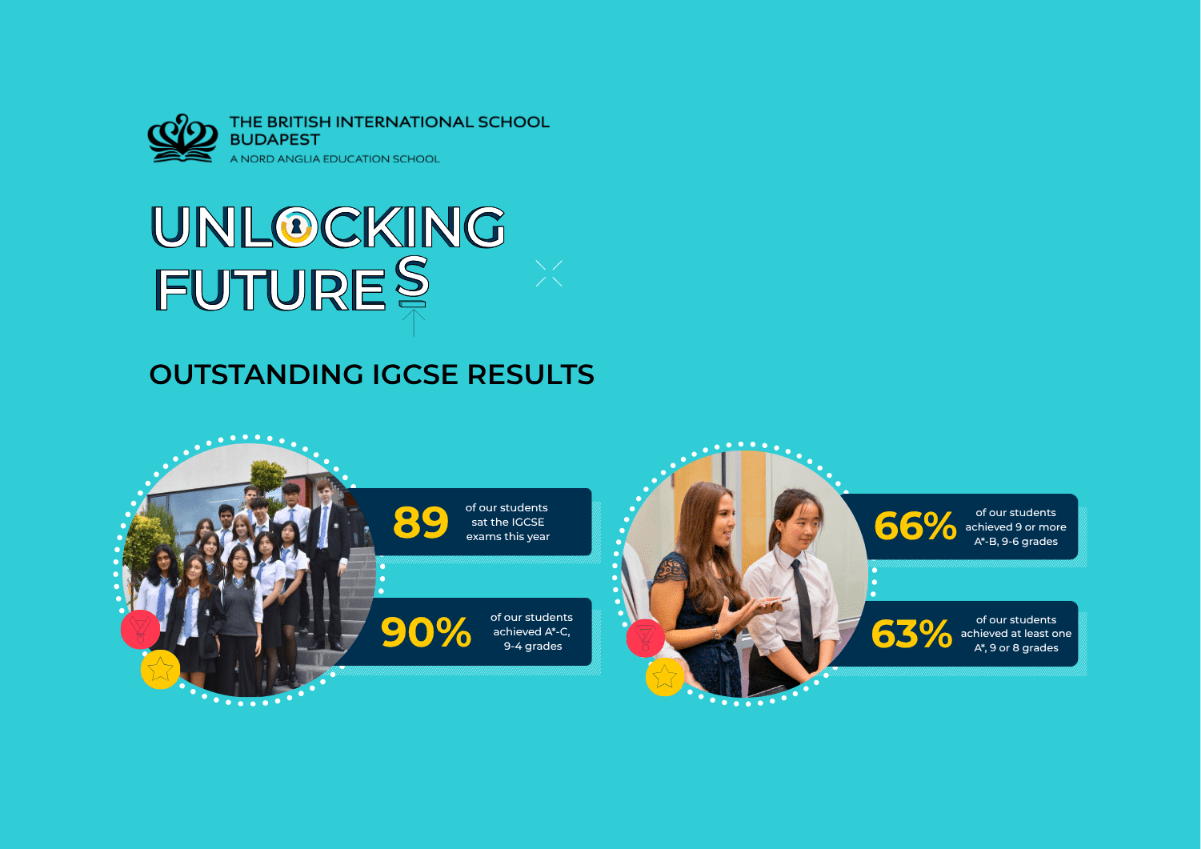
News BISB Students Achieve Outstanding IGCSE Results in 2026
We are delighted to celebrate another outstanding set of IGCSE results at The British International School Budapest, reflecting our commitment to supporting, challenging, and nurturing every student to Aspire to Excellence.
News image ![BISB_Budapest_Sept 2014_028]() Blog
Blog
 Blog
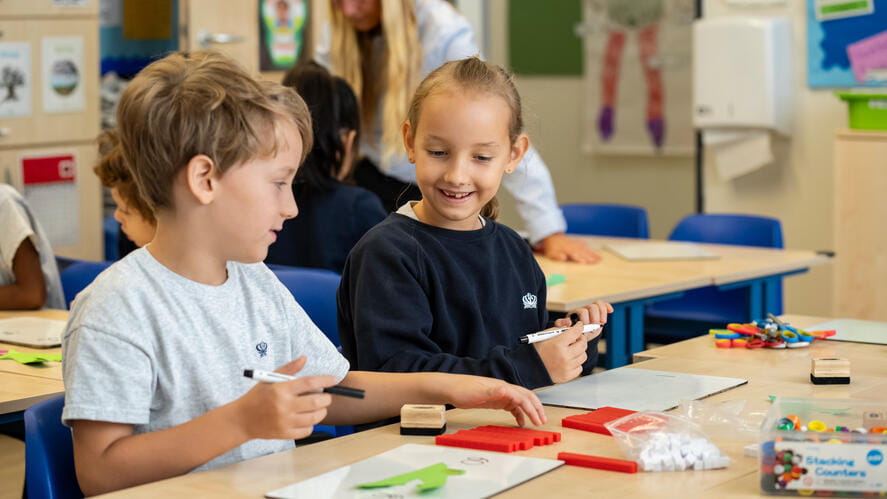
Blog How to Beat Back to School Anxiety: A Budapest Guide
Back to school nerves are normal, but there is plenty you can do to help. Here is how to support your child through the transition in Budapest.