

We use cookies to improve your online experiences. To learn more and choose your cookies options, please refer to our cookie policy.
11 March, 2026
Understanding the student experience in the first years at an international school

Joining a new school marks a significant transition in a child’s education. For families choosing an international school in Ho Chi Minh City, the early months are not simply about settling in. They are about understanding whether the student experience supports both confidence and academic progress in a meaningful way.

Iain Hope, Primary Headteacher, explains that adjustment is both academic and social. “In the first years, we focus on values as well as academics. Students are learning skills, developing understanding, and beginning to see themselves as global citizens.”
That balance shapes the daily school experience. Academic expectations remain clear, but equal attention is given to how students engage with learning and with one another.
What changes in the first year
Starting at an international school in Ho Chi Minh City, children encounter new routines, cultural differences, and sometimes new languages.
“Students are often adjusting to differences in culture and language,” says Mr Hope. “What they quickly realise at BVIS HCMC is that everyone wants them to succeed.”
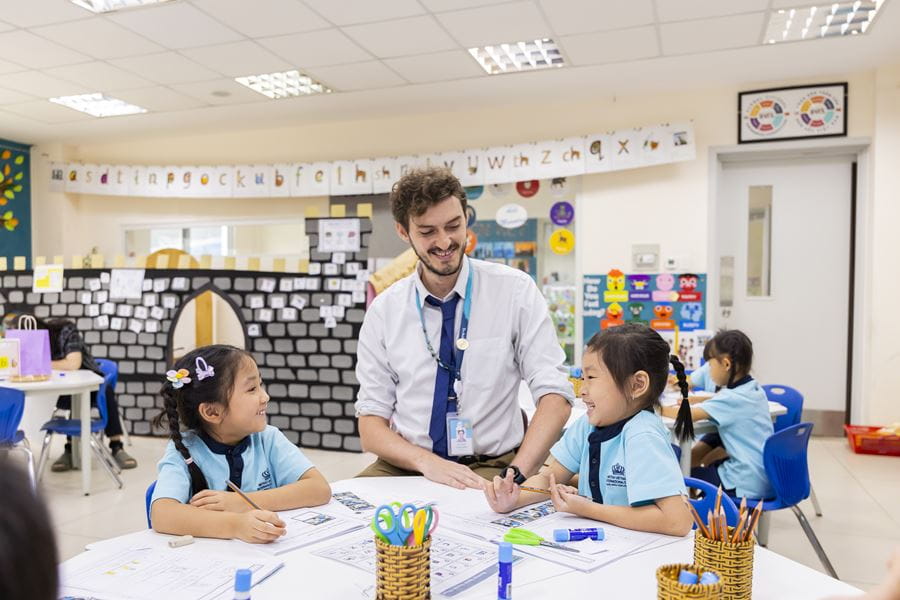
For some students, that level of visible support is new. Teachers actively monitor how they respond to challenge, how they participate in lessons, and how friendships begin to form. Academic performance is tracked, but so are attitudes to learning and confidence in class discussion.
An international school experience works best when expectations are consistent and support is proactive. Students are not left to navigate change alone. Structured guidance helps them build understanding steadily, rather than feeling overwhelmed.
How teachers support learning and belonging
High-quality teaching begins with strong relationships.

“Developing strong relationships with students is key,” Mr Hope explains. “We make sure we are getting to know the person, not just the student.”
In practical terms, this means careful observation in lessons, regular conversations, and early pastoral check-ins. Teachers look beyond grades to gain an accurate picture of each child’s strengths and challenges.
“It can sometimes be what is not said,” Mr Hope notes. “A student who is usually outgoing becoming quieter can indicate that we need to step in and support.”
This structured awareness directly supports learning progress. When small concerns are addressed early, students are more likely to regain focus and continue progressing academically.
At the British Vietnamese International School Ho Chi Minh City, systems are designed so that student wellbeing and academic progress reinforce one another. Strong engagement in lessons often reflects a child who feels secure and understood.
Signs that a student is progressing well
Parents often look for clear benchmarks in the first year at a new school.
Mr Hope points to observable indicators. “A clear friendship group, happiness about coming to school, and engagement in lessons are strong signs that a student is settling well.”
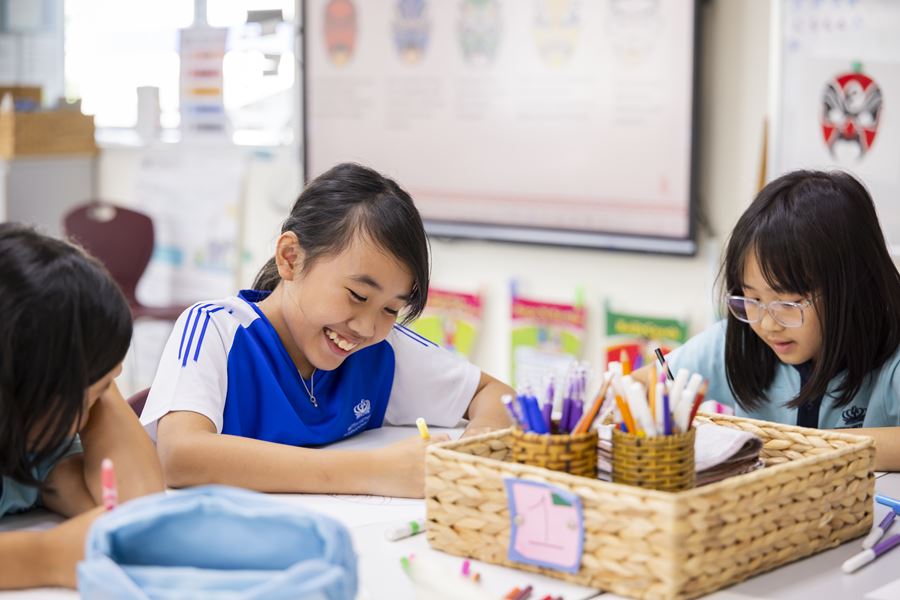
Progress in learning is another marker. Students begin to contribute confidently, take responsibility for their work, and show curiosity that extends beyond minimum requirements. Participation in extracurricular activities also signals that a child feels comfortable enough to explore wider interests.
A structured foundation for success
The student's experience in the first years at a new school sets the tone for everything that follows. When values, relationships, and academic expectations align, children are more likely to develop resilience, independence, and consistent academic performance.At the British Vietnamese International School HCMC, teachers monitor learning progress carefully. Pastoral systems operate alongside classroom practice. Skills and understanding are developed in tandem with subject knowledge.
Confidence grows when structure and care are embedded into daily routines.
Parents who would like to explore how new students are supported in practice are welcome to speak with our academic leaders. Open conversation helps ensure that a family’s expectations align with the day-to-day school experience their child will encounter.
Related news
News image ![Top 5 essential life skills for children to build their confidence and independence - ky nang song cho tre mam non]() Blog | Educational Insights
Blog | Educational Insights
 Blog | Educational Insights
 Top 5 Essential Life Skills for Children to Build Confidence and Independence
Discover 5 essential life skills for children and learn how parents can help them build confidence, independence and healthy habits from an early age.
News image ![What Is an International School? A Parent’s Guide to Choosing A Suitable One - truong quoc te la gi]() Blog | Educational Insights
Blog | Educational Insights
 Blog | Educational Insights
 What Is an International School? Understanding the Different Types of Schools
What is an international school? Learn about international curricula such as the British curriculum, IB and American programmes, as well as the benefits, entry requirements and key factors to consider when choosing a school for your child.
News image ![AI in education: 7 practical applications of AI in teaching and learning - AI trong giao duc]() News | Educational Insights
News | Educational Insights
.jpg?h=768&iar=0&w=1366&rev=abcfa7f5b3a1430782fbb0d5f8a6af81&hash=0D57866CB8B9553A82776C4E59E17820) News | Educational Insights
News | Educational Insights AI in education: Practical applications of AI in teaching and learning
What is AI in education? Discover 7 practical applications of AI that personalise learning, automate routine tasks, and enhance teaching and learning outcomes.
News image ![Study abroad in the USA: Programmes & Requirements - du hoc my]() Blog | Educational Insights
Blog | Educational Insights
 Blog | Educational Insights
 Requirements for study abroad in the USA: what do students need to prepare to get into their dream university?
Study abroad in the USA in 2026: updated entry requirements, application documents, visa requirements and what students need to prepare for a strong foundation for international university admission


