




We use cookies to improve your online experiences. To learn more and choose your cookies options, please refer to our cookie policy.

13 October, 2026
Thinking About Boarding in Switzerland? The practical questions students and parents ask most.
Choosing a boarding school comes with a lot of questions, for parents and students alike. What is daily life really like? Who is there when students need help? How much independence do they have? What happens at weekends? And how does boarding prepare them for university?
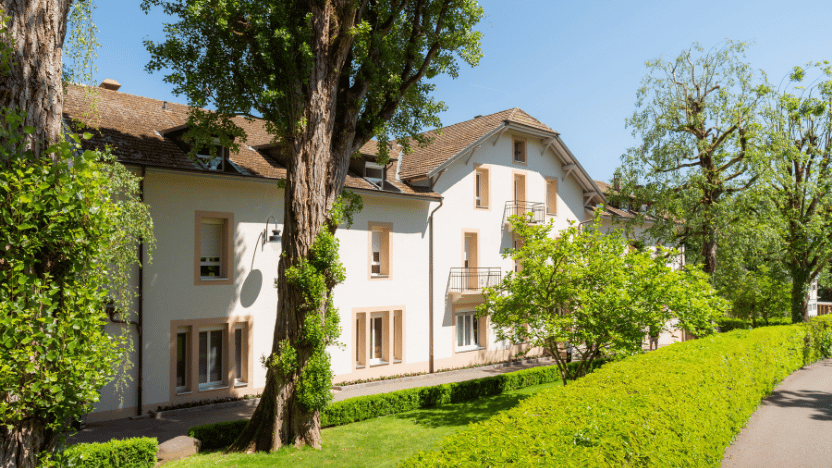
At Collège du Léman, students from more than 120 nationalities live and learn together on a safe, green campus just outside Geneva, Switzerland. They live in residential Boarding Houses, supported by dedicated House Parents who are there for them around the clock.
Boarding here is about creating a launchpad into the world, because real life and real experiences are often the best preparation for what comes next. Students have a safe and supportive base, but also the freedom to explore, take responsibility, make choices, discover their strengths and become more independent. With Geneva, Lake Léman and the Alps all close by, there are plenty of opportunities to learn through experience and make the most of the world around them.
Here are some of the questions families ask us most often about boarding at Collège du Léman.
Getting settled
What is boarding life actually like day to day?
Boarding life has a rhythm to it. Students start the day with breakfast before joining the rest of the school for lessons. After classes, they return to their Boarding House and move into their afternoon and evening routine.
Every weekday includes dedicated activity or Study Hall slots, so there is time both to get involved in something and to keep on top of schoolwork. During the week, that rhythm stays fairly consistent. Weekends are more varied, with changing activities and excursions that make the most of Geneva, Lake Léman, the mountains and everything else our location has to offer.
Some days are busy. Others are quieter. And there is room for choice. It is this mix of structure and everyday freedom that helps students gradually learn to manage their own time.
Will I have a roommate, and what are the Boarding Houses like?
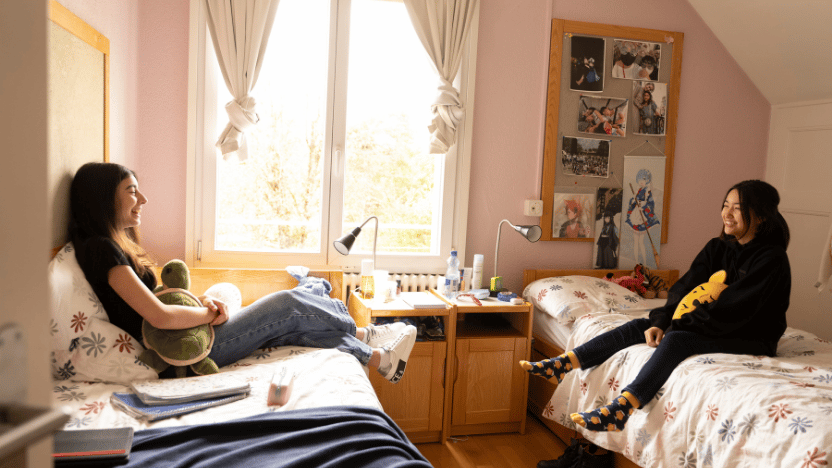
Yes. Boarding students share a room, with roommates matched according to factors such as age, gender, interests and individual profiles.
The Houses are residential villas rather than traditional dormitory blocks. They have shared bedrooms, communal spaces, kitchens, study areas and gardens, so there are places to be together and places to have some space. Girls and boys live in separate Houses, and each House has its own character and community.
What if I feel homesick or find it hard to settle in?
Missing home is normal, particularly in the first weeks. Students are adapting to a new school, new people and, for many, a new country and language all at once.
That is where the people around them matter. House Parents get to know the students in their care and are there for the everyday conversations as much as the bigger problems. Friends, roommates and other students also quickly become part of life in the House. Settling in looks different for everyone, and nobody is expected to have everything figured out on day one.
Who will take care of my child during the school day and afterwards?
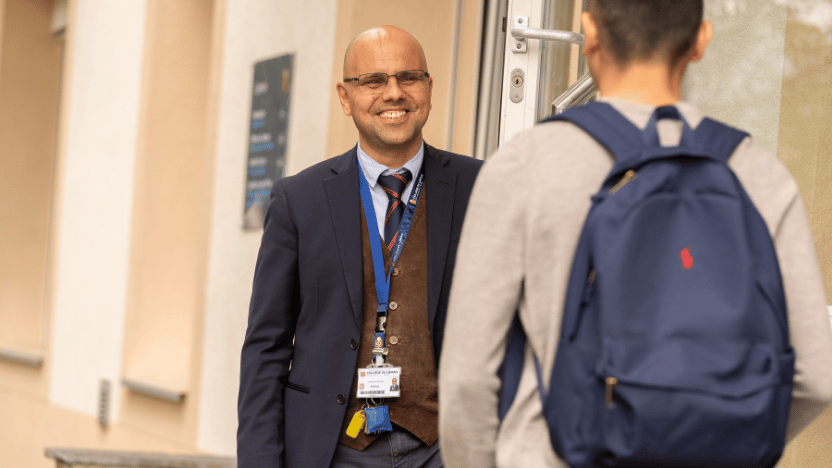
During the school day, students are supported by their teachers, academic teams and the wider school community. When they return to their House, their House Parents are there to welcome them back and take over that everyday care.
House Parents are fully dedicated to Boarding rather than combining the role with classroom teaching. They are there for practical questions, academic concerns, difficult days and the small things that come with living away from home. Each boarder also has a tutor who follows their academic and extracurricular progress and gives them another person to turn to when they need help.
Parents remain part of that relationship too. CDL provides academic reporting as well as regular wellbeing reporting, helping families stay connected to how their child is doing personally and socially.
Learning and academic support
What can I study at Collège du Léman?
One of the advantages of studying at CDL is choice. Students can learn in English, French or through bilingual programmes, and in High School there are five diploma pathways: the International Baccalaureate Diploma Programme, the IB Career-related Programme, the American High School Diploma, the French Baccalaureate and the Swiss Maturité.
That choice matters because there is no single academic route that is right for every student. The aim is to find the pathway that best fits a student’s strengths, interests, languages and plans for university, rather than asking every student to fit the same model.
What if English or French isn’t my first language?
That is the reality for many students in an international school. CDL offers learning in English, French and bilingual settings, with additional language support available for students who are still building their confidence. English as an Additional Language is available within the anglophone pathway, including support for students arriving with limited English.
Living in a community of more than 120 nationalities also means students are surrounded by others who know what it feels like to learn, make friends and find their place in another language.
What if my child struggles academically?
Struggling with a subject does not mean a student has to work it out alone. Teachers, House Parents and Boarding Tutors all have a role to play in noticing when something is not working and helping students find a better approach.
Every boarder has a tutor who follows their academic progress, and Boarding Houses include dedicated study time and spaces for homework. Academic private lessons are also available when more targeted support is useful, with tutors working alongside the student’s schoolteachers to identify specific areas to work on.
Just as importantly, students gradually learn to recognise when they need help and to ask for it themselves. That is part of becoming a more independent learner.
Independence and everyday life
How much independence will I have?
Independence in Boarding does not mean being left to work everything out alone. Nor does it mean having the same freedom at 11 as at 17.
There are routines, expectations and boundaries, but students are also given more responsibility as they grow. They learn to manage their studies, their time, friendships and everyday choices, while knowing there are adults around when they need them.
Older students can have greater freedom, while permissions to leave campus or spend time away from school are managed within clear safeguarding and academic expectations. The idea is not to create a bubble, but to give students the chance to navigate real life with the right support around them.
What happens after school and at weekends?
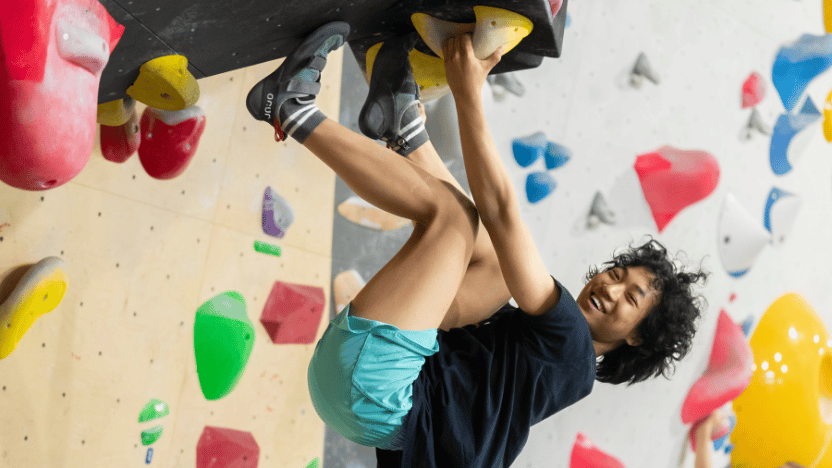
There is rarely just one answer to that. After classes, students might play sport, practise an instrument, cook, join a club, work on a creative project, go to the gym or simply spend time with friends before dinner and study time.
Weekends open things up further. There are activities on campus, trips around Geneva and Switzerland, mountain weekends and opportunities to travel further afield. But not every moment needs to be programmed. Students also need time to rest, see friends and enjoy being at home in their House.
What opportunities are there for sports, arts, trips and activities?
There is a lot to choose from. Students can explore everything from football, tennis, swimming, fencing and golf to music, art, photography, cooking and many other interests. Boarding also has its own programme of evening activities, weekend excursions and trips around Switzerland and further afield.
And being so close to Geneva opens up another possibility. Students who already pursue a sport or other interest at a more professional level can also train with local clubs outside school. Where appropriate, academic schedules can be adjusted around demanding training commitments, helping students continue to develop their talent without having to choose between it and their education.
The point is not simply to stay busy. It is to give students plenty of chances to try something new, go further with something they already love, or discover an interest they did not know they had.
What do we eat in Boarding?
Breakfast, lunch and dinner are provided every day, with a range of hot and cold choices as well as vegetarian and vegan options. Dietary requirements can also be accommodated, and Sundays start a little differently with brunch.
Students also have a say. Feedback on the food is gathered regularly, including daily feedback, and student satisfaction is monitored so that their views can help shape the menu.
Food is also part of community life. Meals are a chance to come together after a busy day, while the kitchens in the Boarding Houses give students opportunities to cook for themselves too.
Geneva, wellbeing and growing up
Can students leave campus and spend time in Geneva?
Yes, within age-appropriate rules and permissions. Students are not simply free to come and go whenever they choose, and expectations differ according to age, school commitments and the type of leave involved.
That balance is important. CDL offers students a safe and supportive base, without creating a bubble around them. Geneva is a safe, international city just a short train ride away, so as students grow in independence, they can gradually make more of what the city has to offer while still having the security and structure of campus to come home to.
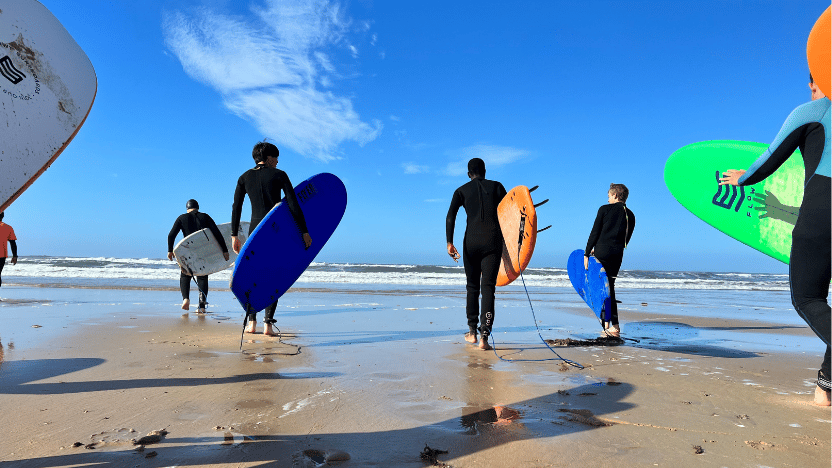
And Geneva is only one part of the setting. Lake Léman, the Jura and the Alps are all within easy reach. A student can experience an international city one day and be in the mountains the next.
What happens if my child is ill or needs extra support?
Students have access to 24/7 medical care as well as a dedicated Boarding counsellor. House Parents and tutors are also closely involved in students’ day-to-day wellbeing, which means support is not limited to moments when something has already gone wrong.
Sometimes support means medical care or counselling. Sometimes it is a House Parent noticing that someone is quieter than usual, helping resolve a problem with friends, or simply sitting down for a conversation after a difficult day.
That everyday awareness matters when students are living away from home.
How will boarding prepare me for university and life after school?
University preparation starts with academics, but it does not end there. CDL has a dedicated University Advising team that works with students through individual meetings, workshops, university visits, fairs and career exploration as they consider what and where they want to study.
Boarding adds another kind of preparation. Students learn to organise themselves, live with other people, make choices, manage setbacks and take responsibility for their own routines. They have opportunities to lead, to contribute and sometimes to step outside their comfort zone.
The aim is not to turn students into someone else. It is to help them stay grounded in who they are while giving them room to develop their strengths, follow their interests and discover what they are capable of.
By the time university comes around, living more independently should not feel like something entirely new.
How do I know if boarding is right for me?
There is no single type of student who thrives in Boarding.
Some arrive already independent and outgoing. Others are quieter, have never lived away from home or are still building confidence in a new language. What matters more is being open to living with other people, trying new things and gradually taking more responsibility for yourself.
The best way to know is to experience the school for yourself. Walk through a Boarding House. Meet the House Parents. Talk to students. See the campus and imagine what an ordinary Tuesday might feel like, not only the big trips and special occasions.
Because ultimately, choosing a boarding school is not just about where you will study. It is about where you will live, who you will live alongside, and the person you will have room to become.
Choosing a boarding school is a big decision, and every family will come to it with different questions.
If you are considering Boarding at Collège du Léman, our Admissions team is there to answer practical questions and genuinely help you explore whether CDL is the right fit for you. Drop us a line at admissions@cdl.ch or call +41 22 775 56 56.
If you would like to hear what Boarding feels like from the students themselves, you can also read:
Over to our Students: What Is Boarding Life Really Like at Collège du Léman?
Student stories about friendship, belonging, independence and life away from home.
Over to our Students: Academic Growth, Leadership and Independence at Collège du Léman
Student stories about learning, responsibility, leadership and preparing for what comes next.
Related news
News image ![Over to Our Students: Academic Growth, Leadership and Independence at Collège du Léman - Over to our students Part 2]() Blog
Blog
 Blog
Blog Over to Our Students: Academic Growth, Leadership and Independence at Collège du Léman
What does it take to grow in confidence, achieve academic success and become a leader? Hear directly from our boarding students at Collège du Léman as they share their personal journeys, the challenges they have overcome and how boarding life has helped them discover what they are truly capable of.
News image ![Boarding life at college du leman]() Blog
Blog
 Blog
Blog Over to our students: What is boarding life really like at Collège du Léman?
What is boarding at Collège du Léman really like? Hear it from the students who live it every day. Discover their experiences of finding their place, making friends and why our international school feels like home.


