



From the Swiss Alps to Kilimanjaro: LCIS Students Take on Africa’s Highest Peak

Duke of Edinburgh’s International Award - Gold level
Preparing for Kilimanjaro
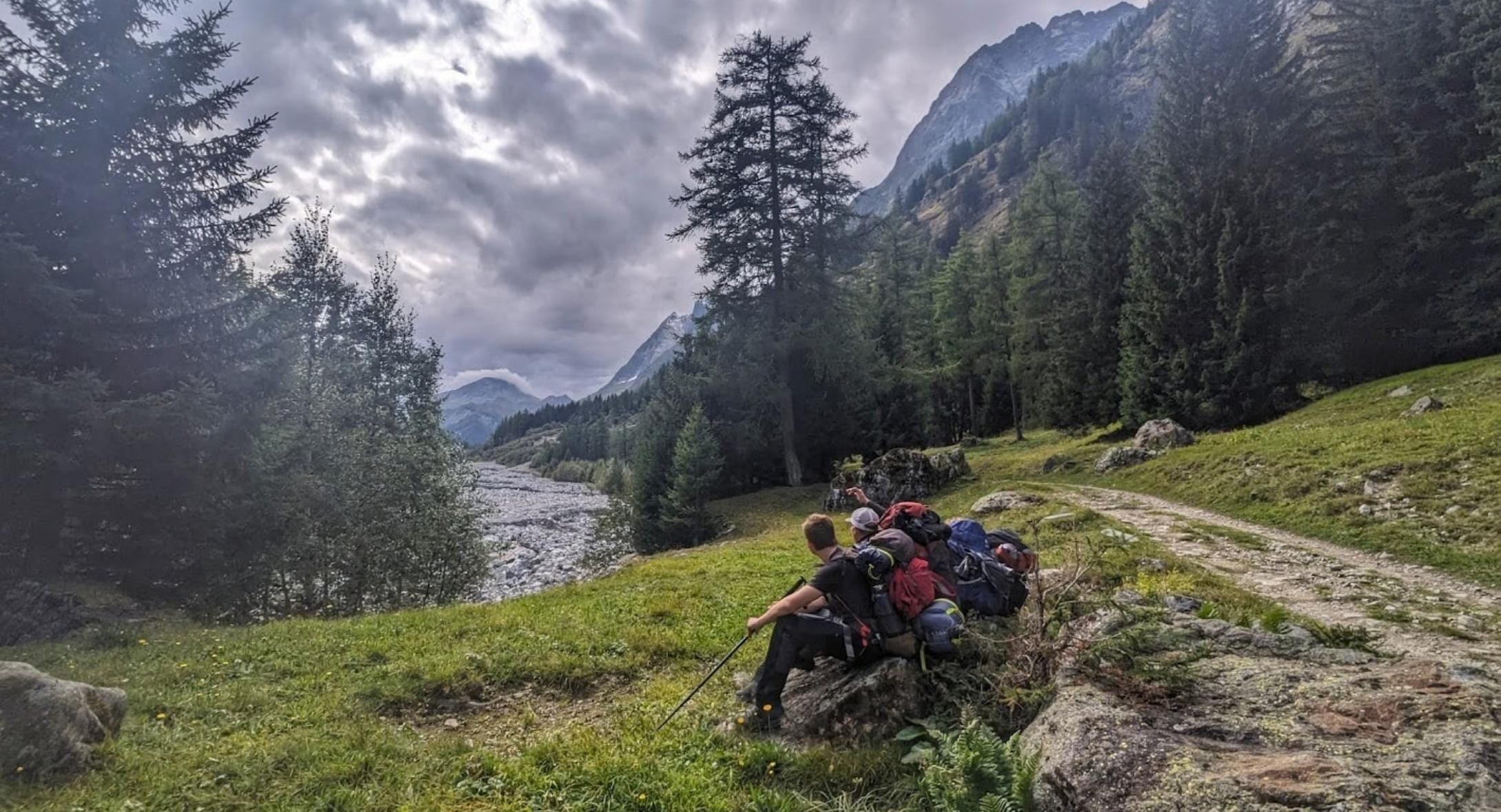
The first training hike began in La Fouly, a village surrounded by the formidable Mont Blanc Massif. Carrying full kit, the group and accompanying teachers hiked around ten kilometres each day, climbing 1000m before pitching tents at Camping les Glaciers.
As often happens on our Kilimanjaro training hikes, the weekend brought heavy rain. Trip organiser & Teacher of Humanities and Business Studies, Mr Porteous praised the students for working well together and keeping up morale despite the difficult conditions. A highlight was seeing runners from the famous Ultra Trail du Mont Blanc (UTMB) passing through the area.
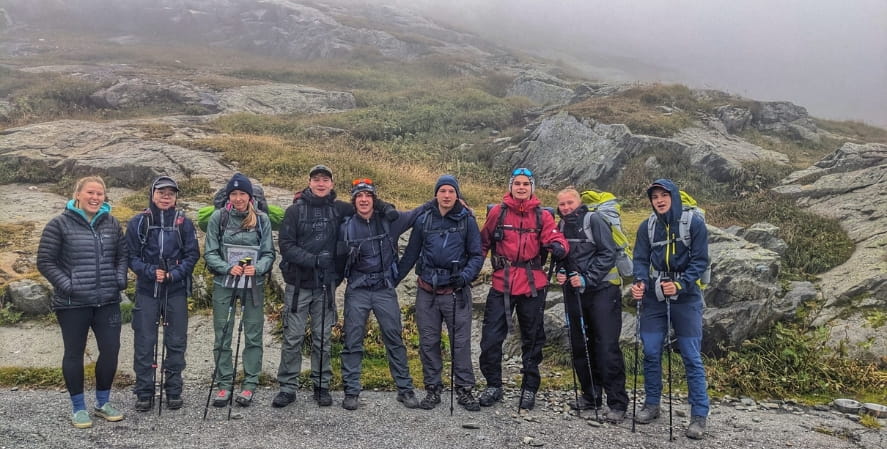
A few months later, in September, Mr Porteous and the group tackled part of the 56km Tour des Muverans. With a guide they completed three long days of hiking with a challenging 4200m D+/-. This time the group stayed in mountain refuges — always a welcome sight after a long day.
Mr Porteous said, “It was a challenging walk, but spectacularly beautiful.” Particularly memorable was the 2580-metre-high Cabane Rambert, where the group enjoyed a stunning sunset — although the students were perhaps a little more focused on the fierce game of Monopoly underway — followed by an incredible sunrise.
Arrival in Tanzania
The group flew to Tanzania on 1 February, spending their first few days at Shamba Kipara Camp near Arusha, 1500m above sea level. Here they relaxed, enjoyed the chef’s cuisine and met students from other Nord Anglia schools around the world.
Acclimatisation is essential before attempting Kilimanjaro, so the group began with a hike on nearby Mount Meru, a dormant volcano. The open landscape offered little shade from the blazing Tanzanian sun, but sightings of monkeys, giraffe and zebra made the effort worthwhile.
“The students were brilliant,” said Mr Porteous. “They worked together excellently.”
Climbing Mount Kilimanjaro
Soon it was time for the main challenge. The six LCIS students and two teachers joined a group from North Broward NAE school in Florida, USA to begin the Machame Route on Mount Kilimanjaro.
After registering at Machame Gate (1800m), the first day’s hike took them to Machame Camp at 2835m. As the air grew thinner, the group continued through Shira Camp (3750m), climbed to Lava Tower (4600m), and descended to Barranco and Karanga Camps above 3900m.
“Every day the students got quieter and quieter, but quietly determined.”
Each evening morale lifted when the guides and porters gathered to sing traditional songs.
“Eighty people singing together — it was really powerful and uplifting,” said Mr Porteous. “By the end of the trip all of us were joining in.”
The team reached Kosovo Camp at 4870m on the afternoon before the summit attempt. A restless routine of eating and trying to sleep followed before the midnight start.
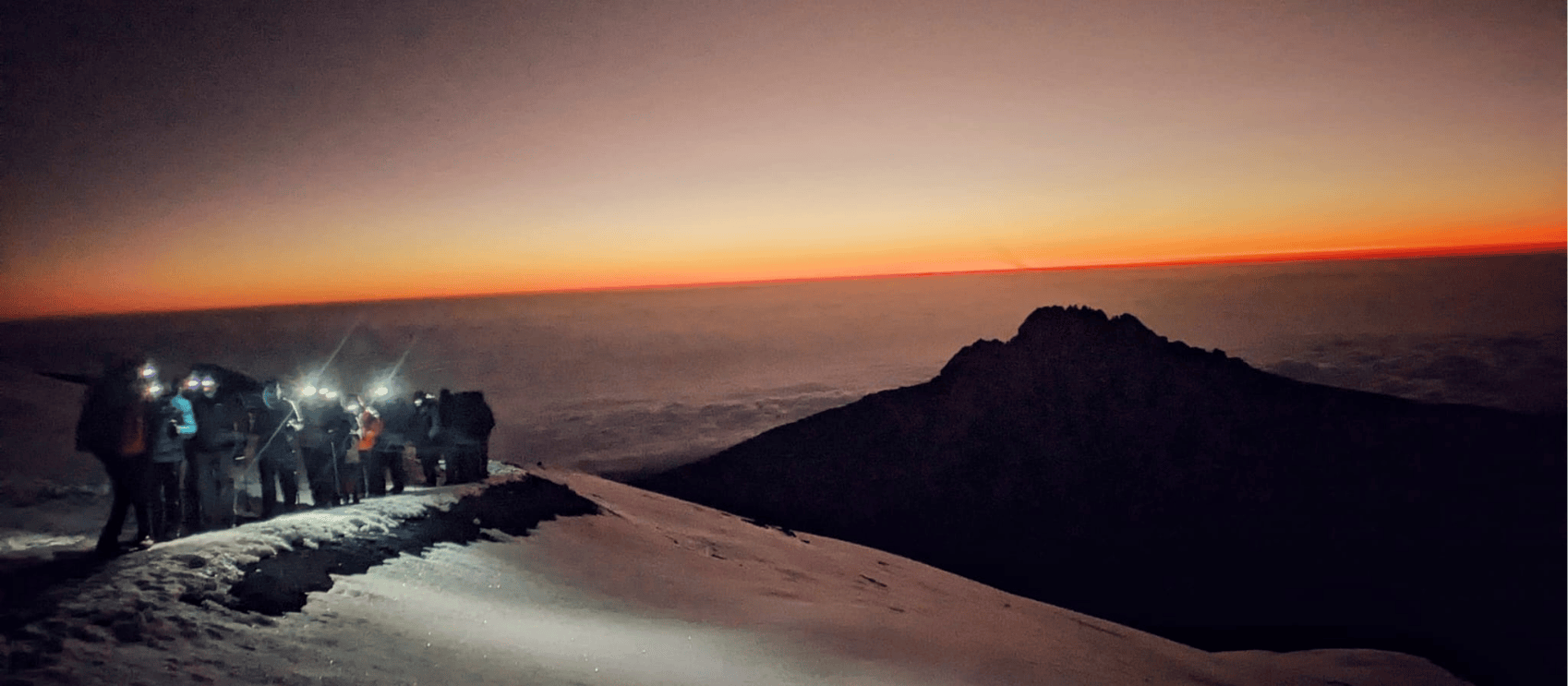
“It was really tough,” Mr Porteous recalls. “It felt like there was always a long line of torches ahead, and the same behind. Every part of you is struggling.”
The guides’ call-and-response chants echoed along the trail, offering encouragement when every step felt difficult.
“I think if one student had not been able to carry on, there would have been a snowball effect on the others,” reflected Mr Porteous.
Step by step, the group continued along the crater rim until finally reaching Uhuru Peak — the highest point in Africa at 5895 metres. Beside the famous summit sign they paused briefly for photos, tired smiles and the quiet satisfaction of knowing they had reached the top together.
The Descent
Of course, reaching the summit is only part of the challenge — climbers must also descend safely. Exhausted but happy, the group made their way down toward Millennium Camp.
Along the way one of the much-loved guides fell and dislocated her kneecap. The students showed real empathy and concern.
Lessons from the Mountain
Back at lower altitude, with warmer air and more oxygen, the experience slowly began to sink in. For the LCIS students the expedition had been far more than a mountain climb.
Months of preparation and days of effort had pushed them far outside their comfort zones, sharing challenges, laughter and exhaustion with peers, teachers, guides and porters from very different backgrounds.
Along the way they encountered new landscapes, cultures and perspectives — and returned proud of what they had achieved.
As Mr Porteous reflected afterwards: “Climbing Kilimanjaro is never just about reaching the top. It’s about resilience, friendship and discovering what you’re capable of when things get really hard.”
For these six LCIS students, those lessons — learned step by step on the slopes of Kilimanjaro — will stay with them long after the climb is over.
Related news
 Blog | Secondary School
  Blog | Secondary School Blog | Secondary School
  News | Early Years | Primary | Secondary School


