



We use cookies to improve your online experiences. To learn more and choose your cookies options, please refer to our cookie policy.
29 April, 2026
How international schools help students develop confidence in their own abilities
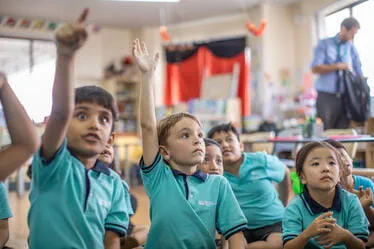
Confidence does not appear suddenly as children grow older. It develops gradually through everyday learning experiences where students feel supported, challenged, and able to improve through effort. For many parents, one of the most important questions when choosing a school in Manila is whether their child will continue to grow in confidence as learning becomes more demanding.
In a strong primary school, confidence is built through structured learning, supportive teaching, and opportunities for students to recognise their own progress. At Nord Anglia International School Manila (NAIS Manila), teachers intentionally create a positive learning environment where students develop both the academic confidence and personal resilience needed to succeed.
Creating a classroom where challenges are part of learning
One of the most important foundations of student self-confidence is understanding that challenges are a natural part of learning.
Teachers at NAIS Manila create classrooms where mistakes are viewed as opportunities to improve rather than something to avoid.
Ms. Sara Berenguer, Head of Primary, explains how this supportive approach helps students build confidence.
“Teachers help students overcome challenges by creating supportive classroom environments where mistakes are seen as a natural and important part of the learning process. Through careful guidance, feedback and encouragement, students learn strategies to approach difficulties with confidence and perseverance.”
Students are also taught practical strategies for tackling complex tasks. These include breaking work into smaller steps, reflecting on their progress, and recognising when to ask for help. These skills are part of the metacognitive approach within the International Primary Curriculum, where students learn to think carefully about how they learn.
Over time, this helps students become more resilient learners who are prepared to engage with challenges rather than avoid them.
Building confidence through structured academic progress
Confidence grows when students experience success through learning that is carefully structured and appropriately challenging.
“Students build confidence as they experience success through carefully structured learning that allows them to develop knowledge and skills step by step. Teachers ensure that learning is appropriately challenging, providing support where needed and opportunities to deepen understanding as confidence grows,” explains Ms. Sara Berenguer.
Regular feedback, clear success criteria, and opportunities to practise important skills help students recognise their own progress. As children begin to see how their effort leads to improvement, their belief in their own abilities becomes stronger.
This link between effort and progress is a powerful motivator that encourages students to take greater ownership of their learning.
Encouraging reflection and personal growth
Confidence also develops when students are encouraged to reflect on their learning.
Through approaches such as thinking routines and the research, record, reflect cycle used within the International Primary Curriculum, students learn to evaluate their work and consider how they can improve.
This reflective process helps children develop a deeper awareness of their learning strategies and progress.
“Through reflection and regular feedback, students learn to recognise how their effort leads to improvement. This helps them develop self-belief, resilience and the confidence to take on new challenges as they continue their learning journey.”
Over time, students become more independent learners who feel capable of tackling new tasks and exploring unfamiliar ideas.
Recognising effort, perseverance and progress
Celebrating achievement also plays a meaningful role in building student self-esteem.
At NAIS Manila, teachers recognise both academic success and the learning behaviours that contribute to it. Determination, perseverance, and positive attitudes to learning are highlighted alongside strong academic work.
“Teachers celebrate progress by recognising both achievement and effort, helping students understand that perseverance and commitment are key to success. By praising determination, improvement and positive learning behaviours, we encourage children to keep trying even when learning feels challenging,” adds Ms. Sara Berenguer.
Within the Primary school community, these qualities are celebrated during assemblies through house points and Student of the Week awards. Recognising students in this way reinforces the importance of effort, kindness, and commitment.
These moments of recognition help students feel valued and strengthen their sense of belonging within the school community.
Confidence that grows with learning
When students experience supportive teaching, structured learning, and recognition for their effort, confidence grows naturally over time.
Through a positive learning environment, reflective learning strategies, and consistent encouragement, NAIS Manila helps students develop the belief that they can overcome challenges and continue improving.
This combination of academic support and personal development ensures that students grow not only in knowledge but also in resilience and self-confidence.
Parents who would like to learn more about how NAIS Manila supports students’ personal development and confidence are always welcome to speak with the academic leadership team and explore how these qualities are nurtured throughout the primary years.
Related news
News image ![Your Space to Thrive. Your Space to Belong. - Your Space to Thrive Your Space to Belong]() News | School Updates | Secondary
News | School Updates | Secondary
 News | School Updates | Secondary
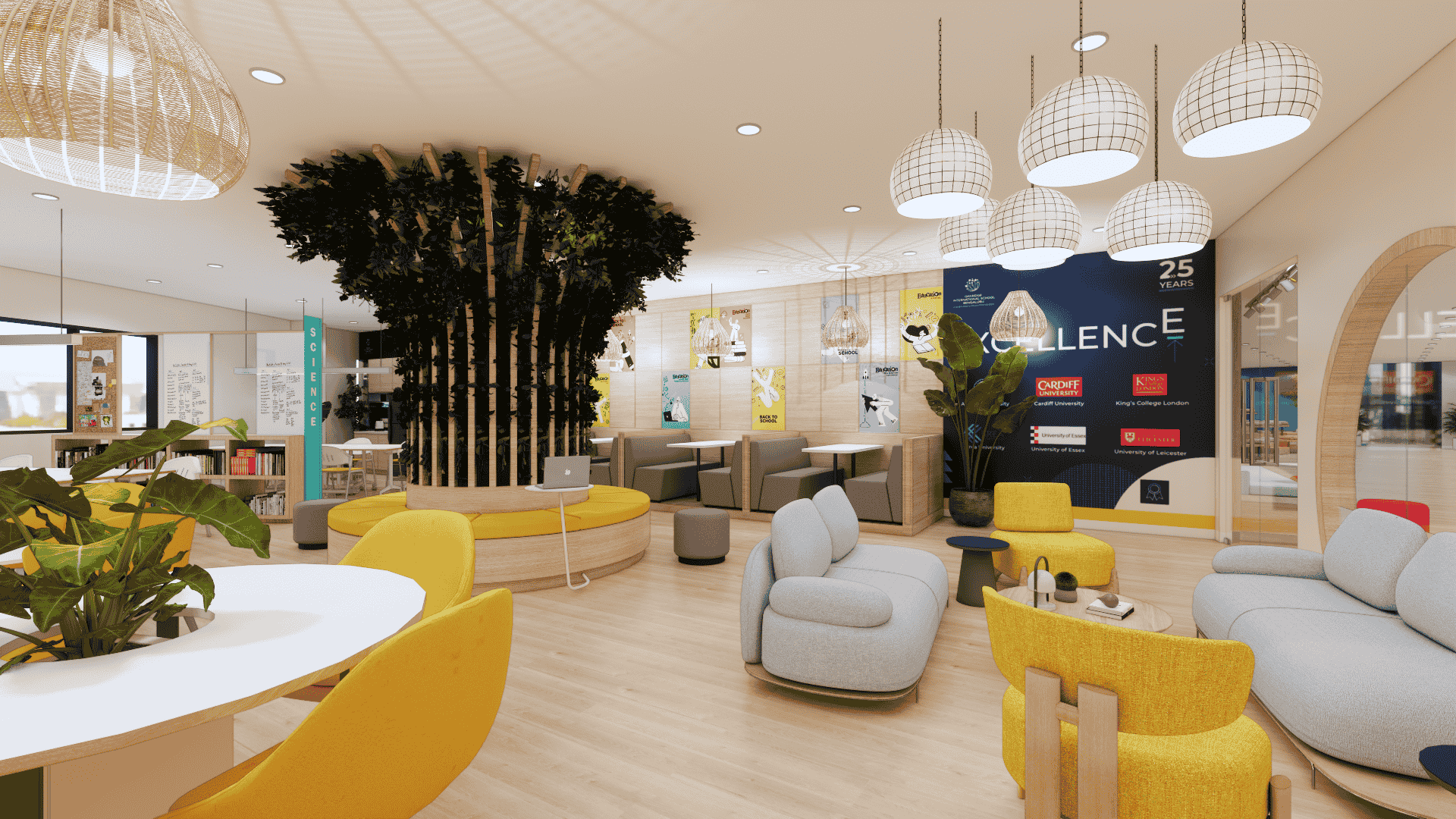
 Your Space to Thrive. Your Space to Belong.
Nord Anglia International School Manila is creating a dedicated home for its Secondary students, designed around how they think, learn and grow.
News image ![The Moment She Will Always Cherish - Are You Proud of Me - Manasi and Gia]() Blog | Nord Anglia Education | studentsuccess
Blog | Nord Anglia Education | studentsuccess
 Blog | Nord Anglia Education | studentsuccess
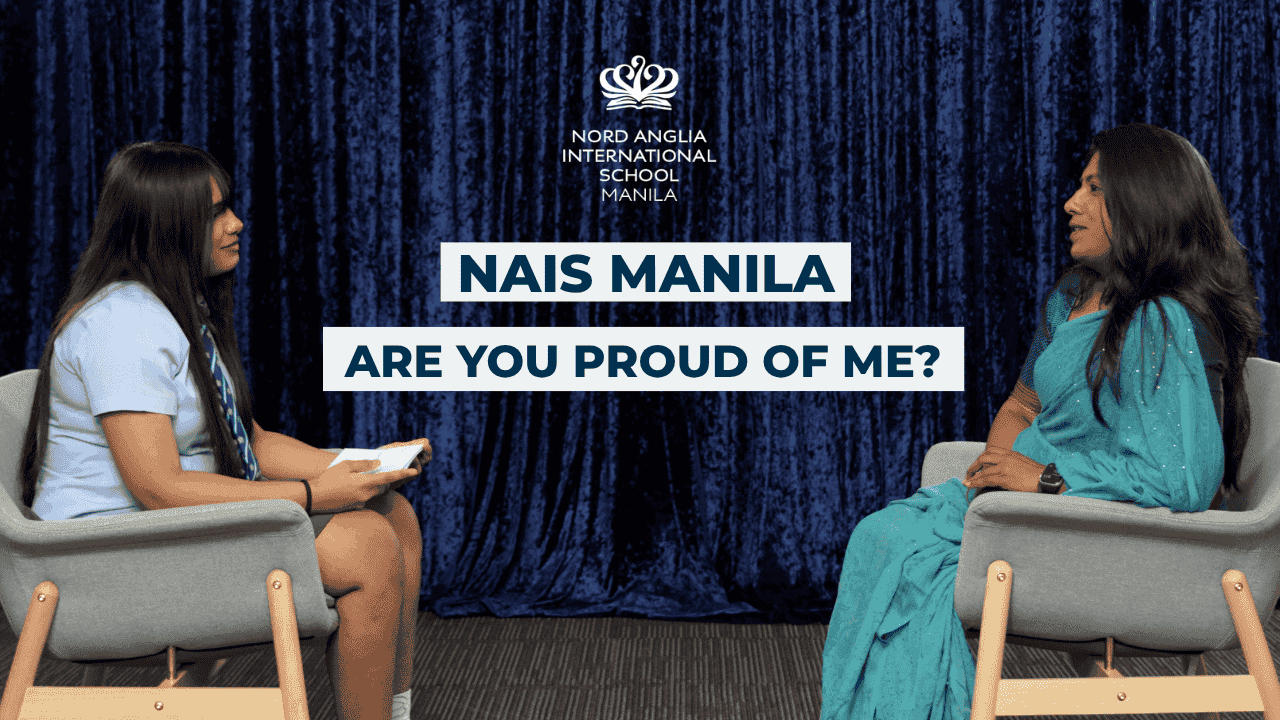
 The Moment She Will Always Cherish
A parent’s story reflects the transformative power of education. Discover how NAIS Manila empowers children to grow into creative thinkers, curious learners, and confident individuals.


