


We use cookies to improve your online experiences. To learn more and choose your cookies options, please refer to our cookie policy.
29 April, 2026
What makes the international school experience distinctive
Families exploring international schools in the Philippines often start by looking at curricula, facilities, and exam results. These provide useful points of comparison, but they do not always capture what school life actually feels like. What many parents notice over time is the experience of learning within a genuinely international community.
The international student experience is distinctive not simply because of the curriculum being taught, but because of the environment in which students learn. Exposure to different cultures, perspectives, and ways of thinking shapes how students communicate, collaborate, and understand the wider world.
At Nord Anglia International School Manila (NAIS Manila), this global education environment is created intentionally through culturally diverse classrooms, collaborative learning, and teaching approaches that encourage intercultural understanding.
Learning in culturally diverse classrooms
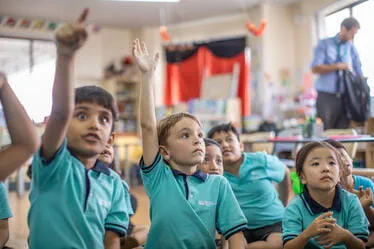
One of the defining features of international schools is the diversity of the student body. Students learn alongside classmates from a wide range of nationalities and cultural backgrounds, creating daily opportunities for cross-cultural learning.
NAIS Manila Principal, Ms. Alison Fox explains that this diversity plays an important role in student development.
“Learning alongside students from different backgrounds helps children develop open-mindedness, empathy, and strong communication skills. In an international school environment, students regularly exchange perspectives, work collaboratively, and gain a deeper understanding of cultures beyond their own.”
These interactions are not limited to occasional cultural events or projects. They happen every day through shared lessons, group discussions, and collaborative learning activities. As students work together, they develop the ability to listen carefully, explain their ideas clearly, and appreciate viewpoints that may differ from their own.
Over time, this environment helps students build confidence communicating with people from different cultures and backgrounds.
A learning environment that values global perspectives
International schooling also shapes how students engage with ideas in the classroom. Teachers encourage students to consider multiple perspectives, helping them develop global competence and critical thinking skills.
At NAIS Manila, lessons are designed to promote discussion, inquiry, and collaboration. Rather than focusing only on memorising information, students explore concepts through dialogue, questioning, and shared investigation.
Ms. Alison Fox describes how teachers guide these learning experiences:
“Teachers intentionally design learning experiences that encourage students to listen to different perspectives, share their own ideas, and learn from one another. Through collaborative projects, discussion-based lessons, and inquiry-led learning, students are guided to appreciate different viewpoints and work effectively with others.”
This approach helps students develop intercultural communication skills while strengthening their academic understanding. It also encourages students to engage thoughtfully with global issues and ideas.
Teachers with international experience
Another factor that shapes the international school experience is the background of the teaching staff.
Many teachers at NAIS Manila bring experience from working in other international schools across the Nord Anglia Education community. This international experience allows teachers to bring a wider perspective into their teaching, helping students connect learning to a global context.
“Many of our teachers have taught in other schools within the global Nord Anglia Education community. Their experience helps students develop the intercultural understanding and collaboration skills needed in an increasingly connected world,” explains Ms. Alison Fox.
Teachers who have worked across different countries and school systems are often particularly skilled at guiding diverse classrooms. They understand how to support students from different cultural backgrounds and how to create an inclusive environment where every student feels confident contributing.
Preparing students for international pathways
For many families, the value of international schooling becomes clear when students move on to university and future careers.
Students who grow up learning in culturally diverse classrooms often find it easier to adapt to international university environments and global workplaces. They are already familiar with collaborating across cultures, communicating with people from different backgrounds, and approaching challenges from multiple perspectives.
Through global citizenship education, collaborative learning, and a diverse school community, students develop the confidence and awareness needed to engage with the wider world.
At NAIS Manila, the international school experience is designed to help students grow academically while also developing the cultural understanding and communication skills needed for the future.
Parents who would like to understand more about the international education environment at NAIS Manila are always welcome to speak with the school’s academic leadership team and explore how global learning is woven into daily school life.
Related news
News image ![Your Space to Thrive. Your Space to Belong. - Your Space to Thrive Your Space to Belong]() News | School Updates | Secondary
News | School Updates | Secondary
 News | School Updates | Secondary
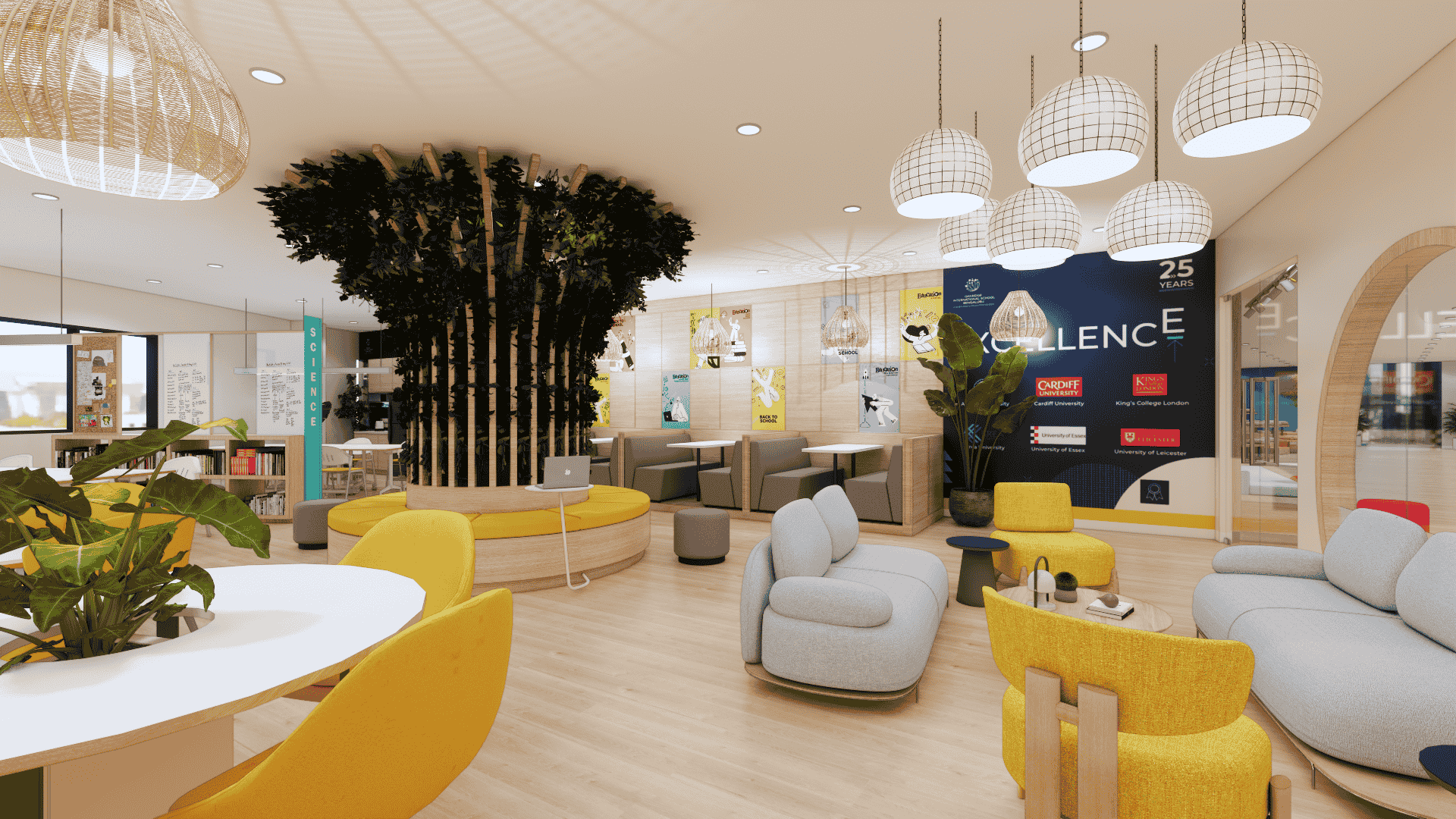
 Your Space to Thrive. Your Space to Belong.
Nord Anglia International School Manila is creating a dedicated home for its Secondary students, designed around how they think, learn and grow.
News image ![The Moment She Will Always Cherish - Are You Proud of Me - Manasi and Gia]() Blog | Nord Anglia Education | studentsuccess
Blog | Nord Anglia Education | studentsuccess
 Blog | Nord Anglia Education | studentsuccess
 The Moment She Will Always Cherish
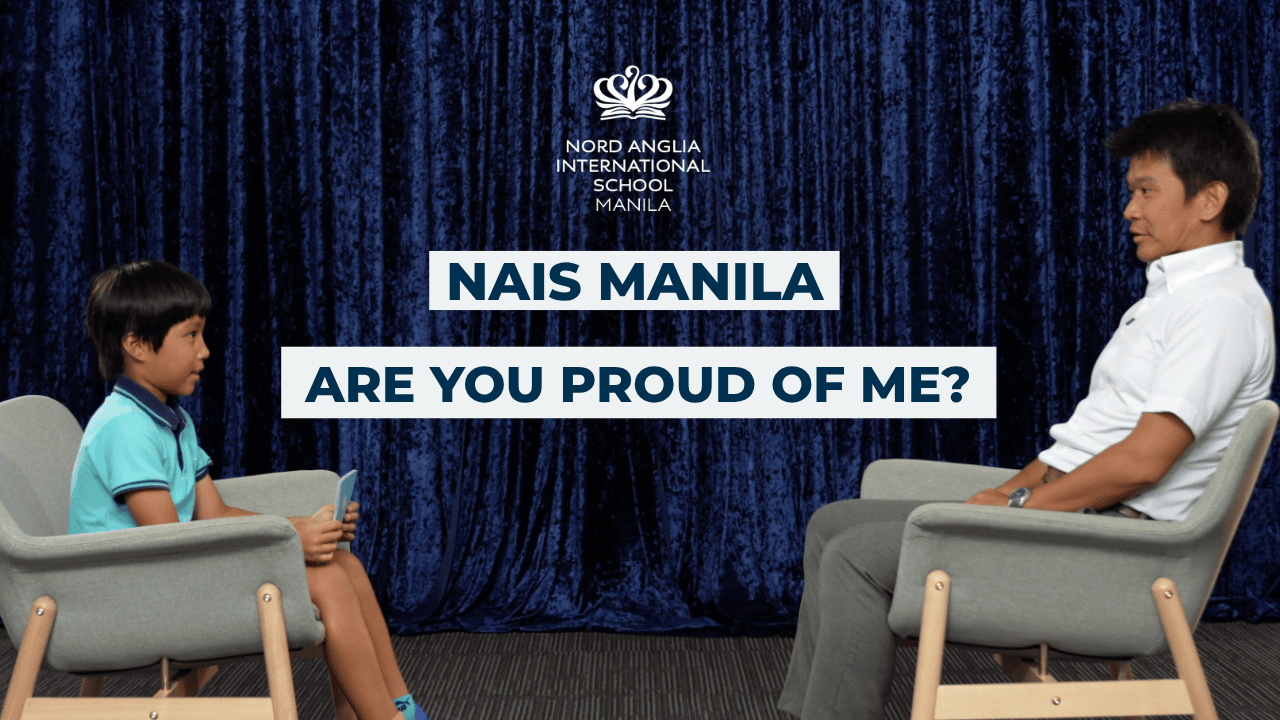
A parent’s story reflects the transformative power of education. Discover how NAIS Manila empowers children to grow into creative thinkers, curious learners, and confident individuals.


