


We use cookies to improve your online experiences. To learn more and choose your cookies options, please refer to our cookie policy.
29 April, 2026
How international schools prepare students for a global future
Education today is not only about preparing students for their next exam. Increasingly, parents are thinking about where education ultimately leads. In a world where careers, universities, and industries operate across borders, many families want to know how international schooling prepares students to thrive in a truly global environment.
At Nord Anglia International School Manila (NAIS Manila), global education is not an abstract idea or an extra programme. It is built into the daily learning experience through curriculum design, classroom practice, and a diverse international school community.
Building the skills students need for a global world
Success in a global environment requires more than academic knowledge. Students must learn how to think critically, collaborate with others, communicate clearly, and approach challenges with creativity and confidence.
These capabilities are developed deliberately within an international school environment.
NAIS Manila Principal, Ms. Alison Fox explains that strong academic learning sits alongside the development of broader global competencies.
“Students who thrive in a global world develop more than strong academic knowledge; they build skills such as critical thinking, collaboration, creativity, and confident communication. In an international school environment, students learn to work with peers from different cultures and perspectives, helping them develop adaptability and global awareness.”
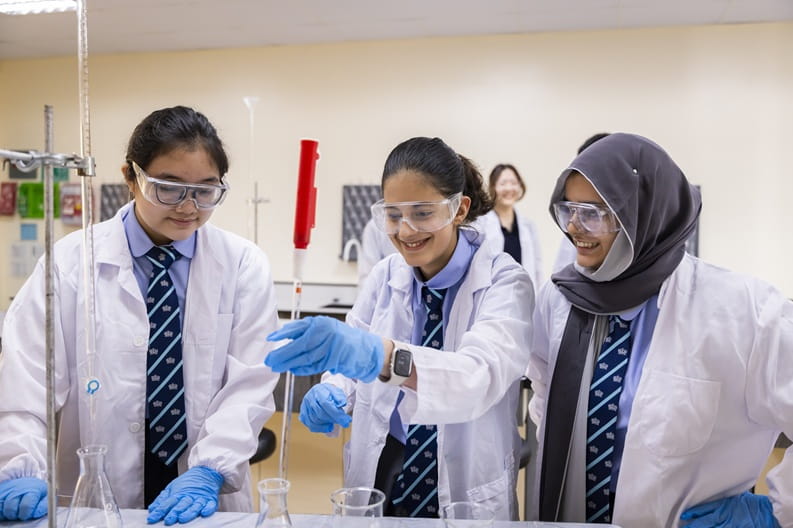
These skills are not separate from academic learning. They are developed through daily classroom experiences, where students explore ideas, debate perspectives, and solve problems together.
Over time, this combination of academic rigour and global learning helps students become confident thinkers who are prepared to engage with a complex and interconnected world.
Connecting learning to real-world global contexts
One of the defining features of international education is the way teachers connect subject knowledge to global issues and real-world contexts.
“Teachers intentionally weave global perspectives into lessons by connecting subject content to real-world issues, cultures, and international contexts. Through discussion, collaborative projects, and inquiry-based learning, students are encouraged to explore different viewpoints and think beyond their immediate environment,” explains Principal, Alison Fox.
This approach encourages students to ask deeper questions and understand how different societies approach shared challenges. It also helps them recognise that knowledge is not isolated within a single country or culture.
Instead, students learn to view ideas through a broader global lens.
Learning within an international community
The daily environment of an international school also plays a powerful role in developing global awareness.
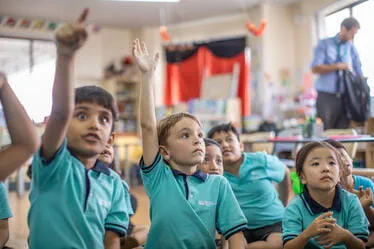
Students at NAIS Manila learn alongside peers from a wide range of cultural backgrounds. This diversity creates natural opportunities for cross-cultural learning and intercultural communication.
Through collaborative learning, group projects, and classroom discussion, students regularly exchange ideas and perspectives with classmates whose experiences may differ from their own.
“In a diverse international school community, students learn alongside peers from many different cultures, helping them develop confidence, empathy, and strong communication skills. Collaborative learning and open discussion encourage students to listen to different perspectives and share their own ideas with assurance,” says Principal, Alison Fox.
Over time, students become more comfortable working across cultural boundaries and more confident in expressing their ideas in international settings.
Global opportunities beyond the classroom
International schooling also provides opportunities for students to connect with the wider world beyond their own campus.
At NAIS Manila, students benefit from global collaborations and learning experiences made possible through the wider Nord Anglia Education network. Through the Global Campus platform, students can connect and collaborate with peers from Nord Anglia schools across the world.
Ms. Alison Fox highlights how these experiences broaden students’ perspectives.
“As part of the international network of Nord Anglia Education schools, teachers can draw on global collaborations and shared learning experiences that broaden students’ horizons. Our Global Campus platform connects students across the world so they can collaborate and learn together.”
Students may also take part in international expedition programmes in places such as Switzerland and Tanzania, where they meet students from other Nord Anglia schools while experiencing new cultures and environments.
Experiences like these allow students to apply their learning in real-world settings and deepen their understanding of different communities and global challenges.
Preparing students for an interconnected future
For families thinking about future pathways, international education provides more than strong academic preparation.
It helps students develop the mindset and capabilities needed to study, work, and collaborate across cultures. Through a rigorous international curriculum, a diverse school community, and global learning opportunities, students gain both the knowledge and the perspective needed for the next stages of their education.
At NAIS Manila, international schooling is designed to prepare students not only for university, but for meaningful participation in a connected global society.
Parents who would like to learn more about the school’s international curriculum and global learning opportunities are always welcome to speak with the academic leadership team and explore how students develop these skills throughout their time at the school.
Related news
News image ![Your Space to Thrive. Your Space to Belong. - Your Space to Thrive Your Space to Belong]() News | School Updates | Secondary
News | School Updates | Secondary
 News | School Updates | Secondary
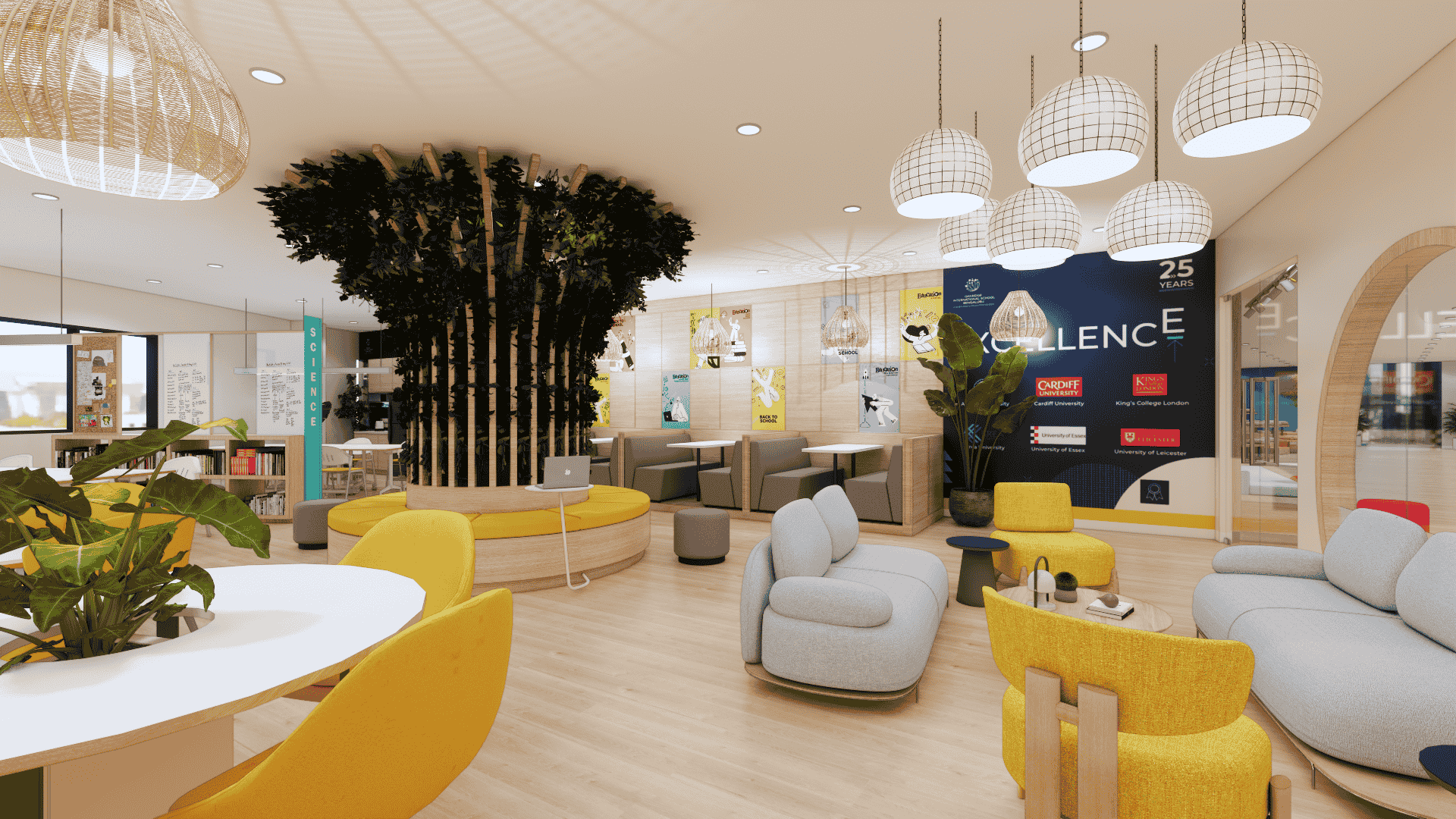
 Your Space to Thrive. Your Space to Belong.
Nord Anglia International School Manila is creating a dedicated home for its Secondary students, designed around how they think, learn and grow.
News image ![The Moment She Will Always Cherish - Are You Proud of Me - Manasi and Gia]() Blog | Nord Anglia Education | studentsuccess
Blog | Nord Anglia Education | studentsuccess
 Blog | Nord Anglia Education | studentsuccess
 The Moment She Will Always Cherish
A parent’s story reflects the transformative power of education. Discover how NAIS Manila empowers children to grow into creative thinkers, curious learners, and confident individuals.


