What is the Hungarian school system like?
Hungary has a well-established state education system. Children typically start primary school at age six and follow the National Core Curriculum through to the end of secondary school, where they sit the Hungarian Matura, the national school leaving qualification.
Lessons are taught entirely in Hungarian. The approach tends to be structured and teacher-led, with a strong emphasis on academic rigour, particularly in mathematics and the sciences. Hungarian schools have a long tradition of producing capable, well-prepared students.
For families who are permanently settled in Hungary and whose children speak Hungarian, the local system can be an excellent choice. It is free, it is part of the local community, and it gives children a connection to the country they are growing up in.
Where local schools can fall short for expat families
For internationally mobile families, or those new to the Hungarian language and culture, the Hungarian education system can pose a few challenges. If you're moving to hungary, we have some tips on how adapt to local enviromnet.
If your child does not speak Hungarian, starting in a local school can add an extra hurdle to an already significant transition. Lessons, friendships, and daily school life all happen in Hungarian. The language barrier is real, and for younger children especially, it can affect their confidence and their progress across every subject.
If your family moves regularly, it’s worth considering that the Hungarian Matura may not offer the same level of global recognition as international qualifications and pathways. It is not widely recognised by universities outside Hungary, which may limit your child's options if they go on to study abroad.
And if your child has been educated in English, or in a different curriculum system, moving into a Hungarian-language, Hungarian-curriculum school midway through their education can be a major adjustment, both personally and academically.
What does an international school in Budapest offer?
International schools in Budapest are designed with globally mobile families in mind – particularly those whose needs don’t always align with the local system. They offer English-medium education, internationally recognised qualifications and pathways, diverse international community, qualified teaching staff, purpose built facilities and a curriculum that travels with your child if your family relocates.
The most established international schools in Budapest follow either The British curriculum, The American curriculum or the International Baccalaureate. All are accepted by universities worldwide and provide seamless continuity for children who may move between countries during their school years.
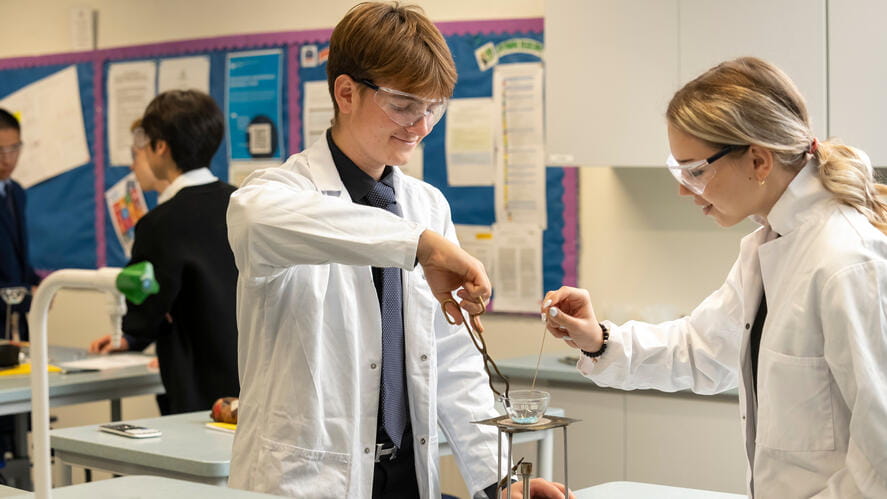
Beyond the curriculum, international schools tend to offer smaller class sizes, strong pastoral care, and a diverse school community. In a city like Budapest, where thousands of families arrive each year for work, that community can help your child adapt to their new home. Your child will be surrounded by classmates who understand what it means to be new somewhere, because many have gone through the same experience.
How to decide what is right for your child
As you begin your search for the right school, start with the practical questions. How long are you likely to be in Budapest? Does your child speak Hungarian? In which country will your child go to university? Are they likely to move schools again before they finish their education?
If your family is here long-term, your child is fluent in Hungarian, and you want them rooted in local culture, a Hungarian school may be the right fit.If you are here for work, if English is your child's primary language, or if there is any chance of future relocation, an international school will almost certainly serve your child better.
Read about the schools in Budapest, talk to other parents in the expat community, and go and see the schools you are considering. The right school will feel right when you walk through the door.
Frequently asked questions
Is the language of instruction in international schools in Budapest in English?
Yes. The leading international schools in Budapest, including The British International School Budapest, teach all lessons in English from Early Years onwards.
Do I need to speak Hungarian to live in Budapest?
Not in most daily contexts, particularly in central Budapest and in international school communities. Many expat families manage daily life in English comfortably, though basic Hungarian is appreciated by locals.
Are British curriculum qualifications recognised outside the UK?
Yes, IGCSE, A Levels, and IBDP qualifications and pathways are accepted are accepted by universities across Europe, the US, and worldwide.
What age can my child start at an international school in Budapest?
Most international schools in Budapest, including BISB, accept children from age three in Early Years through to Sixth Form at age 18.
How do I find the right international school in Budapest for my child?
Start by identifying which curriculum suits your family's needs, then arrange visits to the schools you are considering. Speak to the admissions team, ask about pastoral care and class sizes, and talk to other parents with children at the school whenever you can.
Come and see us
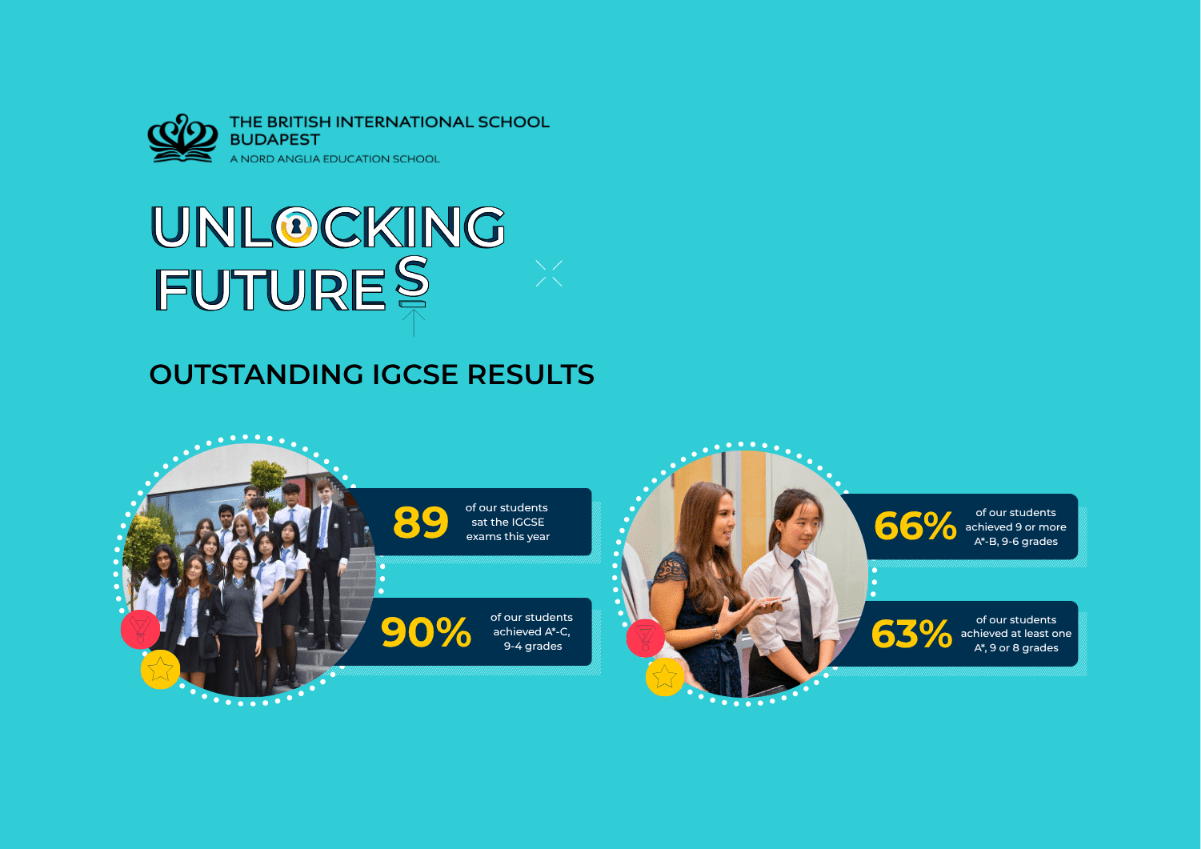
At The British International School Budapest, we welcome families from over 70 nationalities. We follow the English National Curriculum culminating in IGCSE and the IB Diploma Programm, and our admissions team is here to help you explore whether we are the right fit for your child.
Book a school tour





.jpg?h=499&iar=0&w=887&rev=35f060fe9e514f7cbb8f8b0a7dcce30b&hash=F8D860393D5500684A0233E22F29EF2F)
.jpg?h=527&iar=0&w=600&rev=eb75b668589e49dd84073945ac7ca2ca&hash=A741041432F151547B6A7A018703A704)