

We use cookies to improve your online experiences. To learn more and choose your cookies options, please refer to our cookie policy.

24 November, 2025
Nguyen Khanh, Year 10, Experiences An Unforgettable Student Trip To MIT, Boston 2025
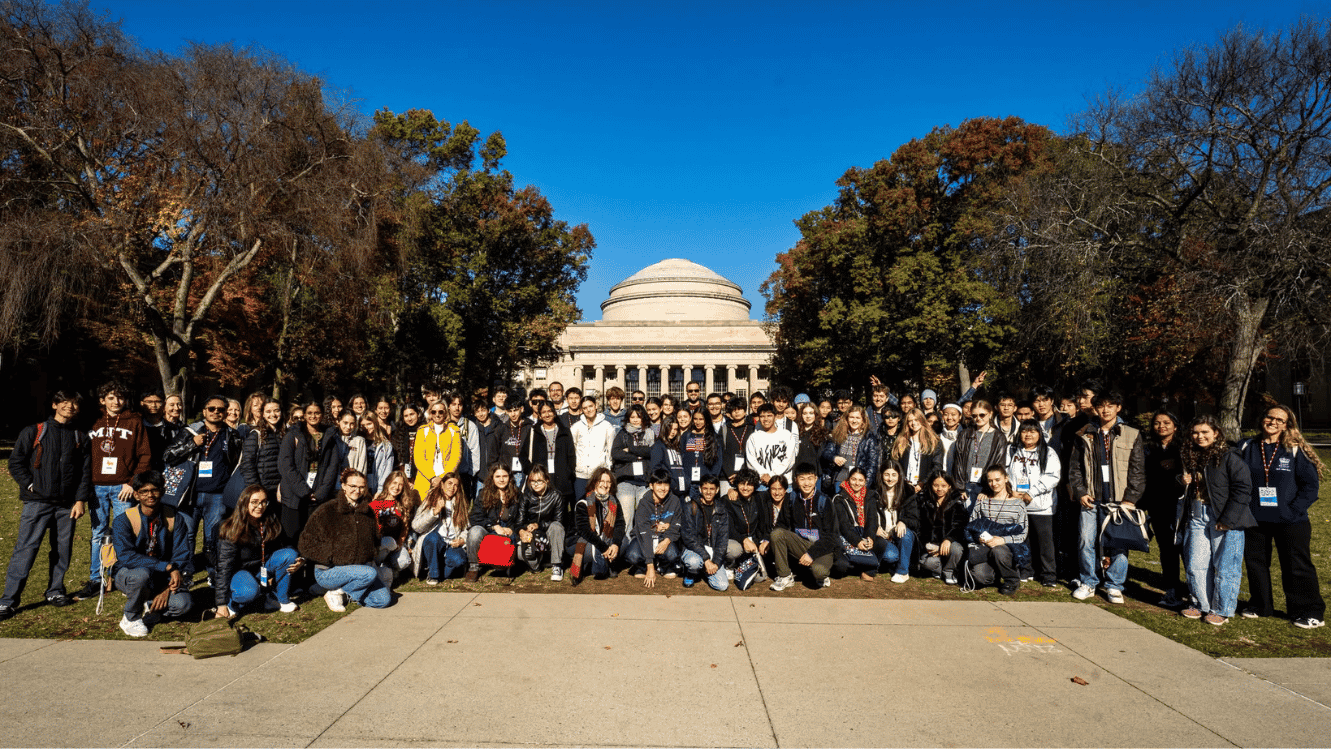
Nguyen Khanh, a Year 10 student at BVIS Ho Chi Minh City, successfully passed the global selection process to become one of 67 students, representing BVIS along with 55 international schools from the Nord Anglia Education network, to attend the MIT Student Trip 2025 in Boston, USA.
The programme took place from 2 to 7 November 2025, providing students with the opportunity to learn, explore, and experience life at the Massachusetts Institute of Technology (MIT) – one of the world’s leading academic institutions.
A Week at MIT: Opening Doors to Endless Possibilities
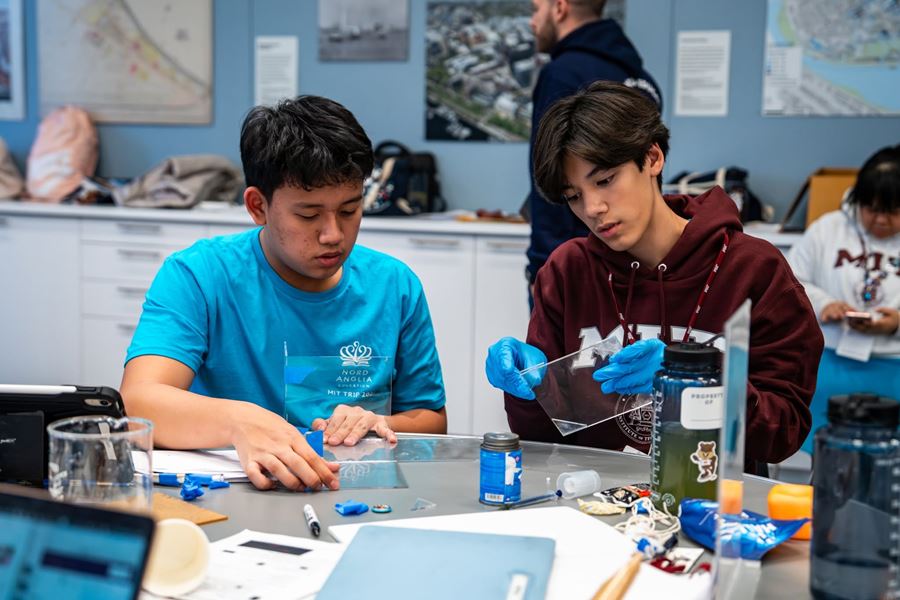
The first stop that left Khanh in awe was the BioMaker Space – a hub where students and researchers design cutting-edge biological systems. While Khanh had read about open labs before, seeing BioMaker Space firsthand was transformative. It wasn’t just the advanced tools that impressed him; it was the culture of creativity. Here, innovation begins with a simple, natural process: try, fail, adjust, and keep building. This mindset planted a seed in Khanh’s thinking: every breakthrough starts with the courage to try.
Engineering Meets the Mindset of Innovation
Day two of the MIT trip pushed Khanh’s imagination to its limits. “I felt my imagination stretch the most,” he shared. From the philosophy of experimentation, Khanh moved into an origami engineering workshop – where folds of paper became medical devices, robotic structures, and even systems for space deployment. It was a revelation: creativity isn’t just about art; it’s a force that drives technology forward. Later that day, the energy shifted dramatically at the Motorsport Formula SAE garage. Here, precision ruled every detail of the racing car, each component reflecting passion and teamwork. Two contrasting worlds – yet both equally inspiring.
Where Art and Science Converge
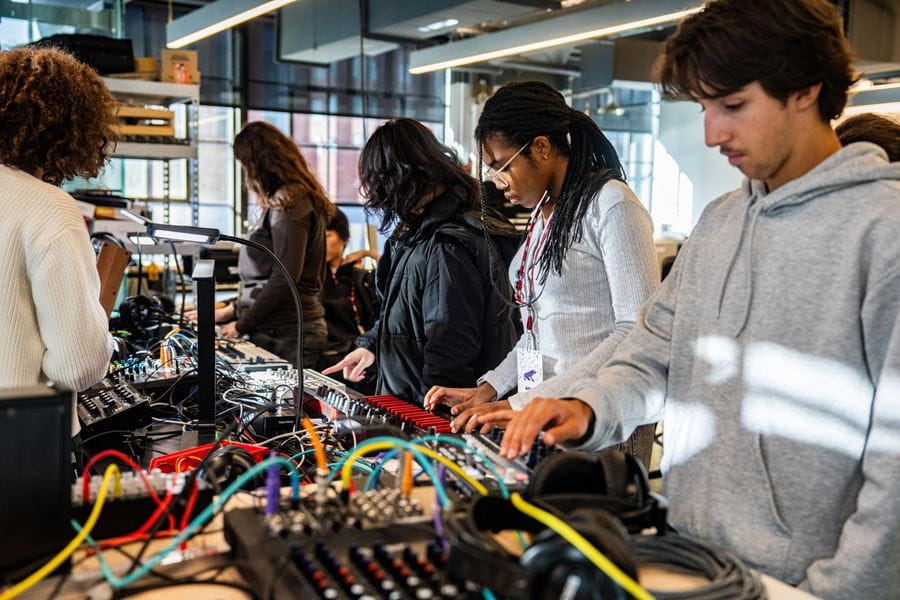
By day three, the puzzle pieces began to fit together. Khanh explored the Light Room in MIT’s Art Department, where light, color, and shadow blended seamlessly with technology. This experience revealed a profound truth: science and art aren’t opposites – they amplify each other. Creativity isn’t an accessory to science; it’s the key that makes it meaningful and human.
Tackling Global Challenges
The final days were dedicated to project work – applying creativity and technical skills to solve real-world climate challenges. Designing experiments for zero-gravity conditions forced Khanh and his peers to abandon familiar assumptions. The unfamiliar environment posed countless obstacles, but it also proved something vital: imagination is as essential as scientific knowledge when addressing global issues like climate change.
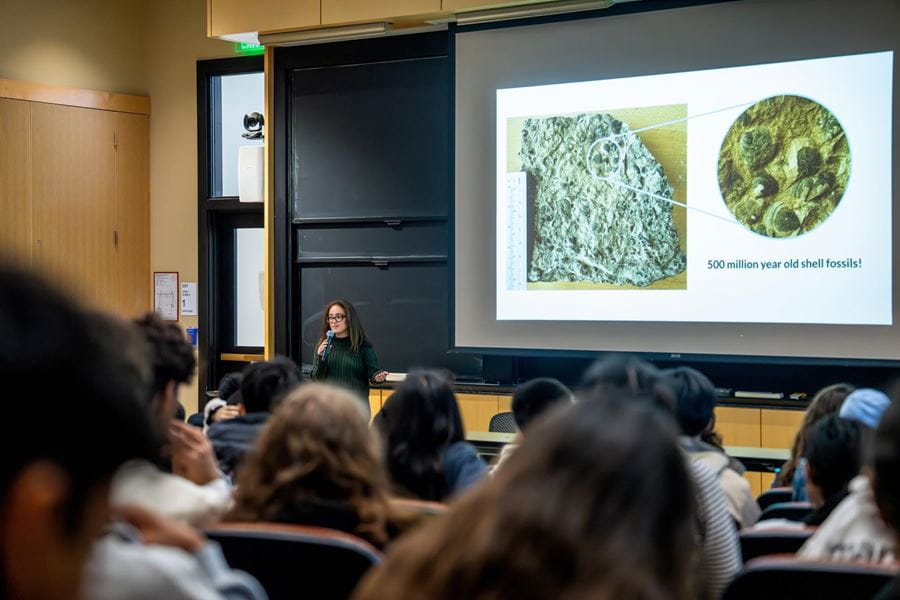
Beyond knowledge, Khanh built lasting connections with inspiring mentors and peers: Arthur (biological research and zero-gravity experiments), Professor Jeff Frielich (AI development), and Professor John (cancer research at the Koch Institute). These relationships, Khanh believes, will guide him as he ventures deeper into scientific research.
Reflecting on the journey, Khanh shared:
“Looking back, this week didn’t just introduce me to new fields; it shifted how I think about myself as a learner. Being surrounded by people who constantly push boundaries made me want to aim higher, think differently, and stay curious. I left Boston feeling both humbled and motivated: there’s so much more to learn, but now I feel eager to step into that challenge.”
Related news
News image ![BVISHCMC-student-Nguyen-Khanh-MIT-Visit2025]() News
News
News Nguyen Khanh, Year 10, Experiences An Unforgettable Student Trip To MIT, Boston 2025
The first stop that left Khanh in awe was the BioMaker Space – a hub where students and researchers design cutting-edge biological systems. While Khanh had read about open labs before, seeing BioMaker Space firsthand was transformative.
News image ![BVIS Highlights in October 2026 - BVIS Highlights in October 2026]() News | Whole School
News | Whole School
 News | Whole School
 BVIS Highlights in October 2026
Monthly Highlights in October is a monthly newsletter sent by the BVIS Leadership Team to parents, providing updates on notable news and activities at the school. The newsletter consists of three main sections: updates from the Principal, Head of Primary, and Head of Secondary.
News image ![What are communication skills? How to improve children’s communication skills effectively - ky nang giao tiep]() Blog | Educational Insights
Blog | Educational Insights
.jpg?h=768&iar=0&w=1366&rev=2fb4f209d25e42a897f5b5b385d67323&hash=1C4A126CB4C9BEB80FE0B10AB53D2FA5) Blog | Educational Insights
Blog | Educational Insights What are communication skills? 7 Effective Ways to Improve Children's Communication Skills
Communication skills are the ability to interact with others and convey information and emotions clearly and effectively to build connections. Discover effective ways to develop children’s communication skills with confidence.
News image ![Soft skills: 8 Essential soft skills and their importance for students - ky nang mem]() Blog | Educational Insights
Blog | Educational Insights
 Blog | Educational Insights
 Soft Skills: 8 Essential Soft Skills and Their Importance for Students
Discover 8 essential soft skills that help students communicate confidently, collaborate effectively, solve problems and adapt to a changing world. Learn why these skills are vital for future success.


