

We use cookies to improve your online experiences. To learn more and choose your cookies options, please refer to our cookie policy.
02 March, 2026
How your child’s learning needs evolve from primary years to university readiness
When parents choose an international school, they are not only thinking about the next academic year. They are thinking about the next ten.
Will the structure that supports a seven year old still challenge a seventeen year old? Will the school recognise changing student learning needs as children grow older? And will independence develop in a way that prepares them for university and beyond?
At the British Vietnamese International School Ho Chi Minh City (BVIS HCMC), understanding students learning needs is not a one time exercise. It changes deliberately across year groups.
Deirdre Grimshaw, Principal, explains that this progression is planned rather than accidental.
From structured foundations to independent study
“In the younger years, teachers are the primary model,” she explains. “As students move into older year groups, they rely on a wider variety of models and sources of learning.”
Early education focuses on routines, habits, and clear structure. Students learn how to organise work, follow expectations, and build foundational knowledge. There is strong modelling from the teacher. Support is visible and consistent.
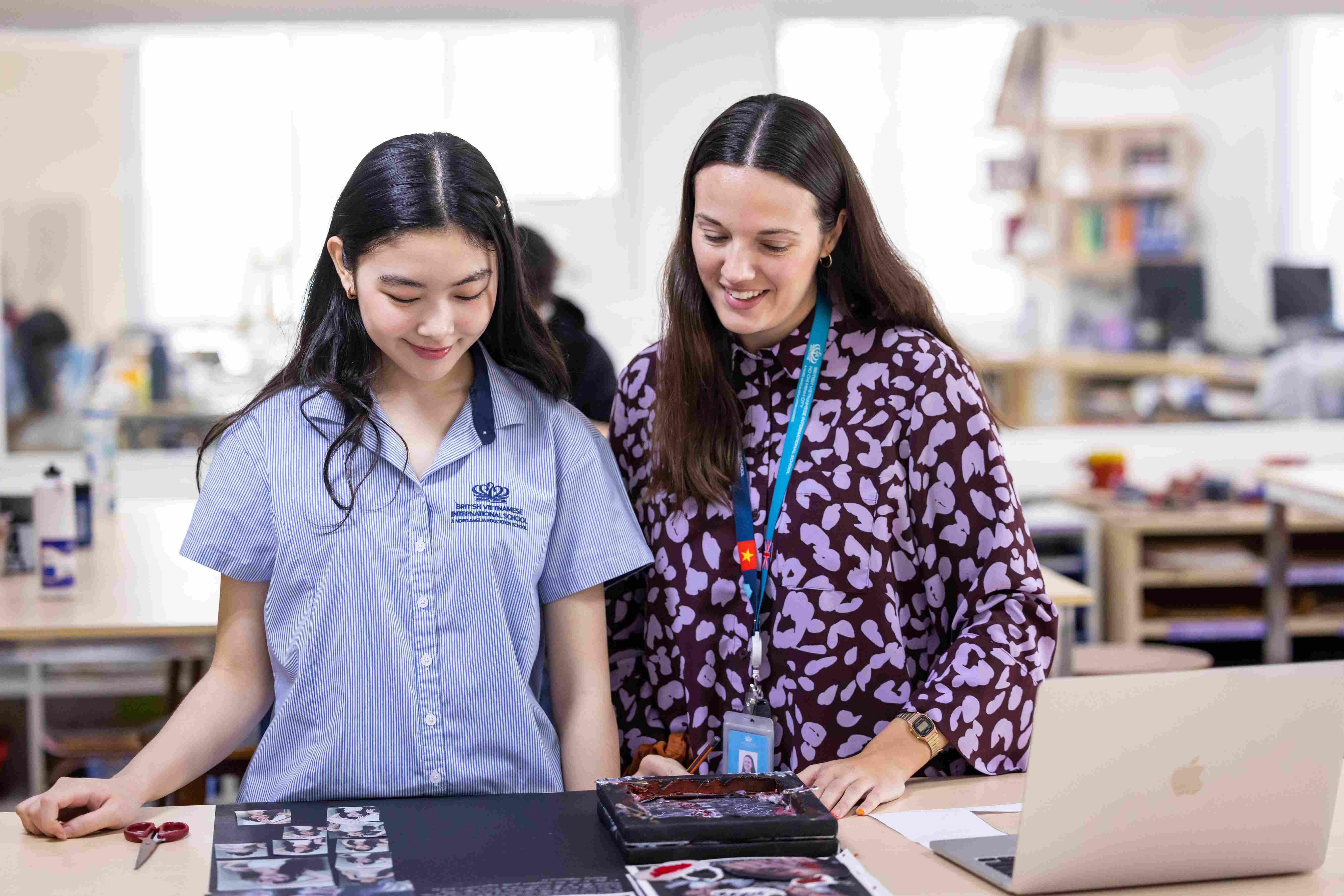
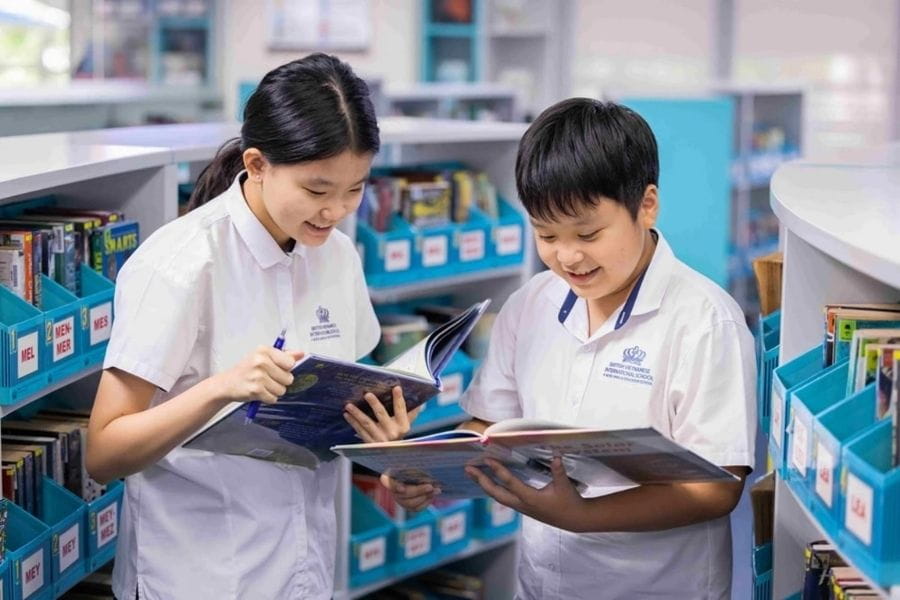
As students move into secondary school, the structure gradually shifts. The aim is no longer only to deliver content but to develop independent study habits. Students are expected to manage longer term tasks, research from multiple sources, and think more critically about how they approach a problem.
This shift does not remove guidance. It changes its form. Students are given increasing responsibility while teachers continue to monitor and respond to their progress.
Over time, this staged approach reduces long term decision risk for families. The skills required at 17 are not assumed. They are built progressively.
Adapting to different learning needs over time
Understanding students learning needs and goals becomes more nuanced as children mature.
“As children grow, they become more independent and require more opportunities to learn about the world and about themselves,” explained Iain Hope, Primary Headteacher.
Friendships and peer relationships take on greater importance in the older years. Academic challenge also becomes more individual. Some students require additional support. Others are ready for deeper extension work.
Assessment, both formal and informal, informs these decisions. If a student is struggling, teachers adjust methods and may involve pastoral or counselling teams. If a student is excelling, opportunities for more challenging content are introduced.
Toby Bate, Secondary Headteacher, shared how “assessments inform teaching staff when students are struggling, excelling, or performing as expected. Attentive teaching allows us to respond appropriately.”
This is personalised learning in practice. Not a slogan, but daily adjustment based on evidence.
Curiosity, maturity and preparation for life beyond school
Older students begin to ask different questions. Curiosity shifts from completing tasks to exploring ideas.
“Students who ask insightful or unusual questions often push their own opportunities for development,” Mr Bate notes.
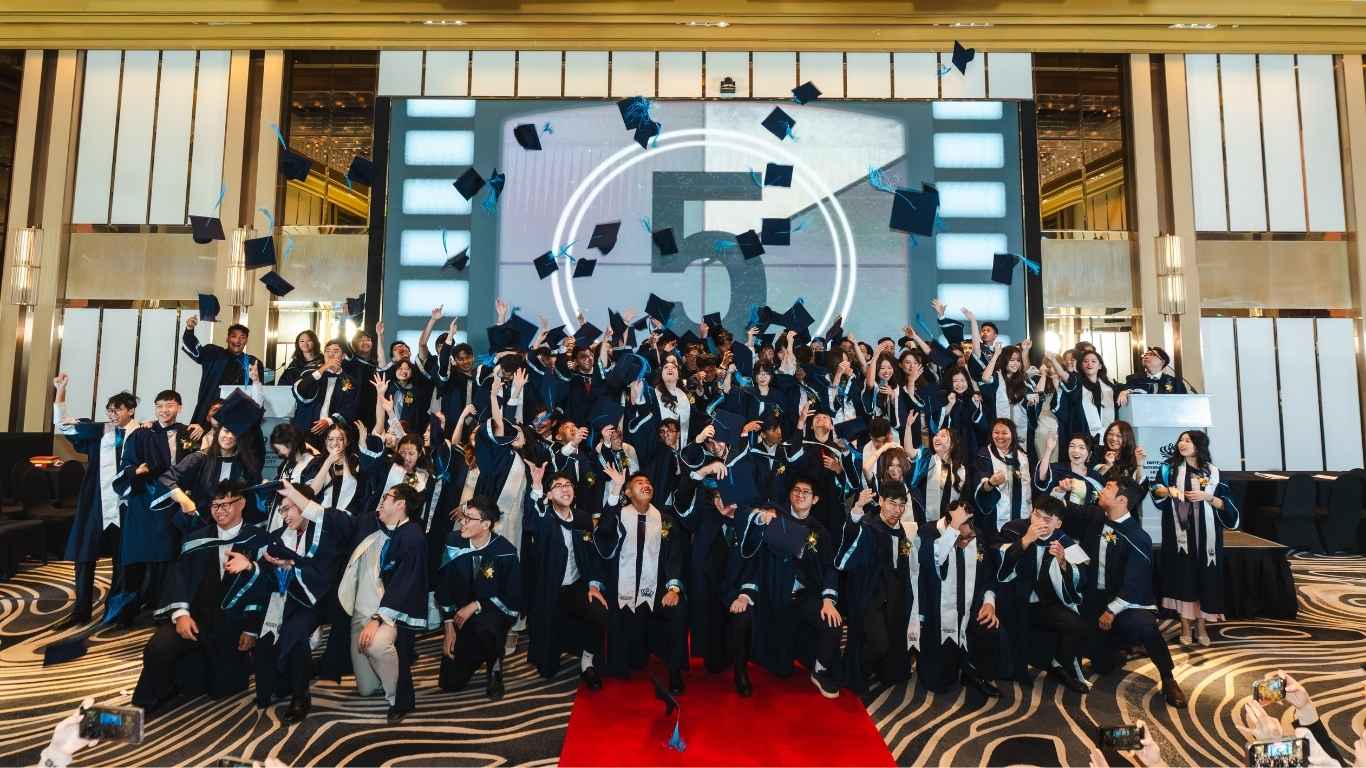
In the later years, university guidance counselling becomes increasingly important. Students are supported in understanding pathways beyond school, reflecting on strengths, and making informed subject choices.
The progression from primary structure to secondary independence prepares students for this stage. They are expected to take ownership of decisions, supported by informed advice.
For parents, this clarity matters. Personalised learning at age seven looks different from personalised learning at age seventeen. The learning needs of students evolve. The school’s role evolves with them.
Confidence built through visible progression
Families often ask how they can be confident that their child’s development will keep pace with growing expectations.The answer lies in visible progression, increasing independence, gradual transfer of responsibility and consistent monitoring through assessment and teacher oversight.
At the British Vietnamese International School Ho Chi Minh City, student learning needs are reviewed continuously, not only at transition points. The journey from structured learning to independent thinking is deliberate and observable.
If you would like to understand more about how we support students across different stages of their educational journey, explore our curriculum and academic pathways pages where we share how BVIS HCMC students have progressed over time.
Related news
News image ![Top 9 Best International Primary Schools in Ho Chi Minh City 2026 - truong tieu hoc quoc te tphcm]() Blog | Educational Insights
Blog | Educational Insights
 Blog | Educational Insights
 Top 9 Best International Primary Schools in Ho Chi Minh City in 2026
Discover the top international primary schools in Ho Chi Minh City, including BVIS HCMC, BIS HCMC and other leading schools. Explore your options today!
News image ![Top 10 Quality International Primary Schools in District 7 - truong tieu hoc quoc te quan 7]() Blog | Educational Insights
Blog | Educational Insights
 Blog | Educational Insights
 Top 10 Highly Rated International Primary Schools in District 7
District 7 is home to reputable international primary schools, including BVIS HCMC, SSIS, CIS and Renaissance. Explore each school's curriculum and key features.


