


20 October, 2026
Top 5 Essential Life Skills for Children to Build Confidence and Independence

Developing strong life skills for children is an important part of early childhood development. From building confidence and independence to learning how to communicate, collaborate and solve problems, these essential skills help children navigate everyday situations and prepare for future success. But which life skills are most important for young children, and how can parents support their development? Let's explore the key life skills for kids and practical ways to nurture them with British Vietnamese International School Ho Chi Minh City.
TABLE OF CONTENTS
Why Are Life Skills Important for Children in the Early Years?
The Early Years (0-5 years old) are a crucial stage of development, laying the foundations for future learning, wellbeing and personal growth. During this period, children begin developing independence, learning how to communicate effectively, interact positively with others and manage everyday situations with increasing confidence.
Developing essential life skills for children offers many benefits, including:
- Helping children adapt to new environments and experiences.
- Encouraging independence and self-confidence.
- Supporting positive communication and relationships with others.
- Building strong foundations for cognitive, emotional and social development.
- Helping parents guide and support their child's development more effectively.
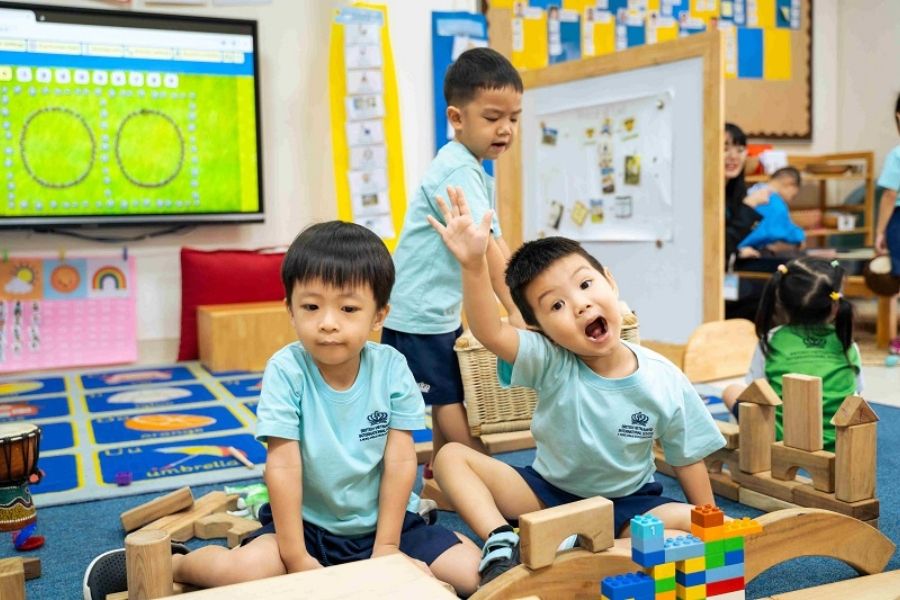
Developing essential life skills for children helps build confidence, independence and adaptability from an early age (Source: BVIS HCMC)
>> Read more:
- Development of Babies and Toddlers - From One to Two years
- Factors Affecting Your Child's Development
Top 5 Essential Life Skills for Children
Below are five important groups of life skills for children that parents should nurture from an early age.
1. Independence Skills
1.1 Self-Help
Self-help skills encourage children to learn how to look after themselves and become more independent in their daily routines. Parents can encourage children to feed themselves independently, get dressed on their own, wash their hands properly, brush their teeth, pack away toys after use. These everyday activities help children develop responsibility, confidence and positive habits that benefit them throughout their lives.
1.2 Independent Learning
Independent learning helps children develop curiosity, initiative and a love of learning.
For young children, independent learning does not mean learning alone. Instead, it begins with observing, asking questions, exploring ideas and attempting tasks independently before seeking support.
Parents can nurture independent learning by encouraging children to investigate answers, try different approaches and engage in hands-on experiences that inspire curiosity and confidence.
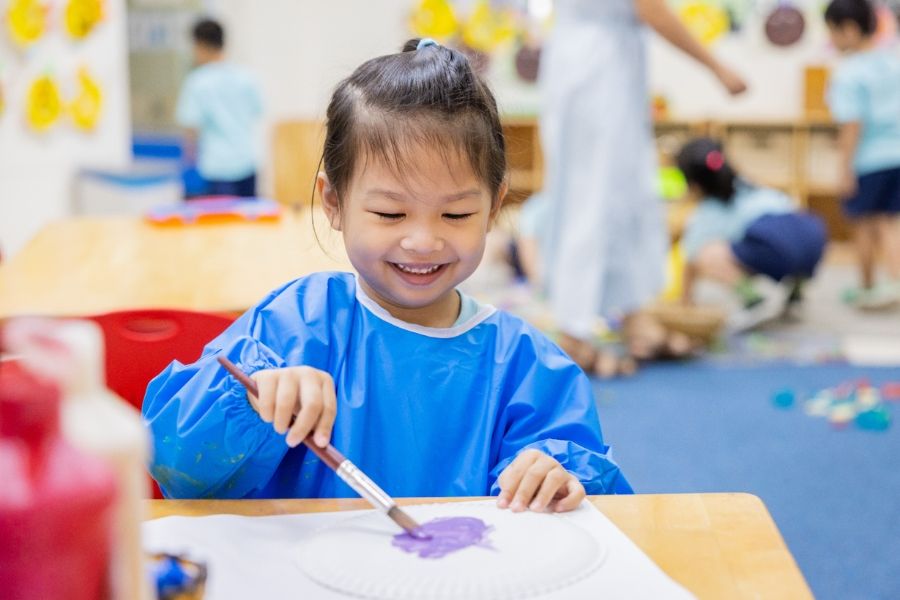
Through creative activities such as drawing, children are encouraged to complete tasks independently while developing creativity and confidence (Source: BVIS HCMC)
1.3 Time Management and Organisation
Developing routines and organisational habits helps children build structure and independence from an early age. Parents can support this development by establishing consistent routines for learning, play, meals and rest. Visual timers and clear time cues can also help children become familiar with organising tasks, following routines and developing self-discipline.
2. Communication & Collaboration Skills
2.1 Communication
Strong communication helps children express their ideas, needs and emotions with confidence. Parents can support this development by encouraging children to listen actively, take turns during conversations, use polite language and communicate their feelings appropriately. These skills help children build positive relationships with both adults and peers.
2.2 Teamwork and Collaboration
Through group activities and collaborative play, children learn how to work with others towards a shared goal. Whether building a structure together, completing a creative project or participating in a team game, children develop important skills such as listening, sharing responsibilities and supporting one another.
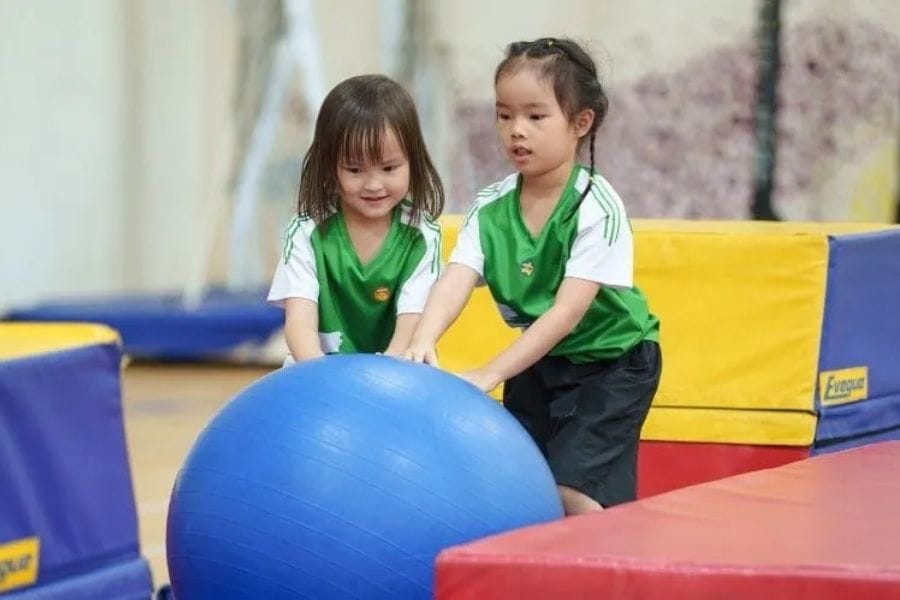
Children work together to complete a team challenge, developing collaboration, communication and teamwork skills (Source: BVIS HCMC)
2.3 Adaptability and Sharing
Adaptability helps children navigate new situations and environments with confidence. At the same time, learning to share encourages empathy, kindness and respect for others. These experiences support children's social development and help them become active members of a wider community.
3. Emotional and Social Skills
3.1 Emotional Awareness and Self-Regulation
Understanding and managing emotions is an important part of children's emotional development. Parents can help children identify different emotions, express their feelings appropriately and develop simple strategies for managing frustration, disappointment and excitement. Children who are emotionally aware are often better equipped to build healthy relationships and cope with challenges.
3.2 Empathy and Respect for Others
Learning to be honest and take responsibility helps children develop positive values and healthy relationships. When a mistake happens, parents can calmly guide children to reflect on their actions, tell the truth and think about how to make things right. This helps children understand that mistakes are part of learning and growing, while encouraging them to take responsibility for their actions and learn from their experiences.
4. Problem-Solving & Critical Thinking Skills
4.1 Problem-solving
As children learn and play, they naturally encounter everyday challenges, whether it is spilling a drink, misplacing a favourite toy or experiencing a disagreement with a friend. Rather than immediately solving the problem for them, parents can encourage children to think through possible solutions by asking open-ended questions such as, "What do you think we could do?" This helps children develop a solution-focused mindset and build the confidence to approach challenges calmly and independently.
4.2 Curiosity and Inquiry
Young children are naturally curious and eager to make sense of the world around them. Questions such as "Why?", "How?" and "What would happen if...?" are an important part of the learning process. Parents can nurture this curiosity by listening attentively, exploring answers together and creating opportunities for children to observe, experiment and discover new things. Through these experiences, children develop critical thinking skills, broaden their understanding of the world and maintain a genuine enthusiasm for learning.
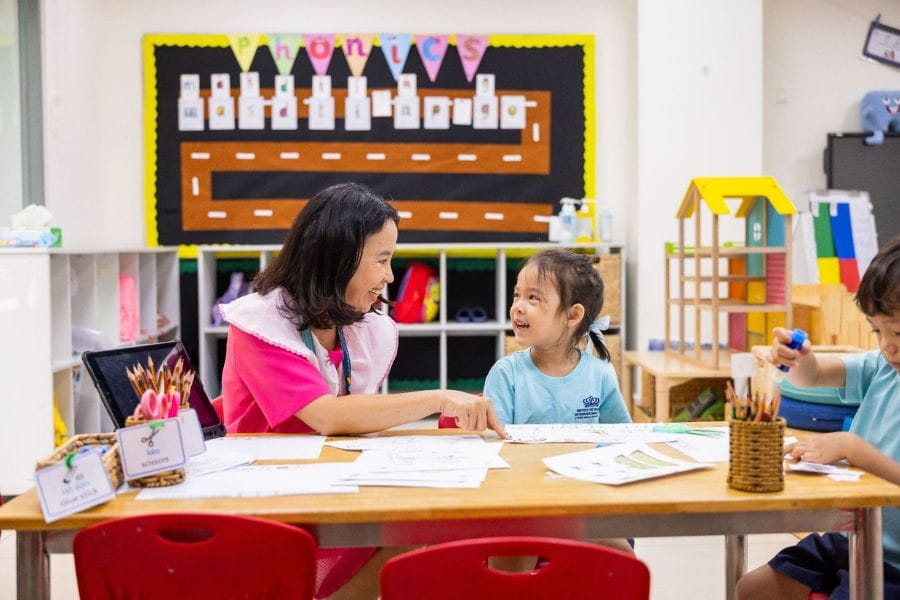
Children are encouraged to ask questions and engage in discussions with their teachers, nurturing curiosity and a proactive approach to learning (Source: BVIS HCMC)
4.3 Creativity and Self-Expression
Creativity gives children the freedom to express their ideas, emotions and unique perspectives in a variety of ways, including drawing, storytelling, music, movement and imaginative role-play. Parents can support creativity by valuing children's ideas and avoiding the expectation that there is only one "right" answer. When children are given the freedom to explore and create, they become more confident in expressing themselves while developing imagination, flexible thinking and creative problem-solving skills.
5. Safety and Self-Protection Skills
5.1 Personal Safety
Learning how to keep themselves safe helps children develop confidence and independence as they navigate the world around them. Parents can support this by teaching children about personal boundaries, helping them understand that they have the right to say "no" when something makes them uncomfortable, and ensuring they know which trusted adults they can turn to when they need help or support.
5.2 Recognising and Avoiding Risks
Children should gradually learn about common risks they may encounter in everyday life, including strangers, roads, electricity, water, sharp objects, fire and other potentially hazardous situations. Through role-play activities and simple real-life scenarios, parents can help children recognise warning signs, maintain safe boundaries and seek help from a trusted adult whenever they feel unsure. Regular practice helps children develop safe habits and become more confident in protecting themselves in everyday situations.
>> Read more:
- 4 steps to help keep your child safe online
- 6 unbelievable benefits when young children play with water
Effective Ways to Teach Life Skills for Children
1. Encourage Children to Do Age-Appropriate Tasks Independently
Instead of doing everything for them, give children opportunities to take responsibility for age-appropriate tasks, such as getting dressed, putting away toys or preparing their belongings for school. Completing these tasks independently helps children build confidence, develop responsibility and strengthen their sense of independence.
2. Build Life Skills Through Everyday Routines
Daily routines provide valuable opportunities for children to develop life skills. Simple activities such as brushing their teeth, washing their hands, tidying toys or getting ready for school help children develop positive habits and become more independent over time. With consistent practice, these behaviours become part of their daily routine, requiring less and less adult support.
3. Encourage Children to Express Their Thoughts and Feelings
Parents can create opportunities for children to share their feelings, ideas and interests openly. Rather than rushing to provide answers or judgement, take time to listen and ask thoughtful questions that encourage conversation. This helps children develop communication skills, emotional awareness and the confidence to express themselves clearly.
4. Prioritise Hands-On Experiences
Young children learn best through active participation and real-life experiences. Parents can incorporate life skills into games, family activities and everyday situations, giving children opportunities to observe, experiment, make decisions and learn through experience rather than instruction alone.
5. Recognise Effort, Not Just Results
Every step of a child's progress deserves recognition, even when the outcome is not perfect. Specific praise that acknowledges effort, perseverance and improvement helps children feel encouraged, develop resilience and remain motivated to try new things and embrace challenges.
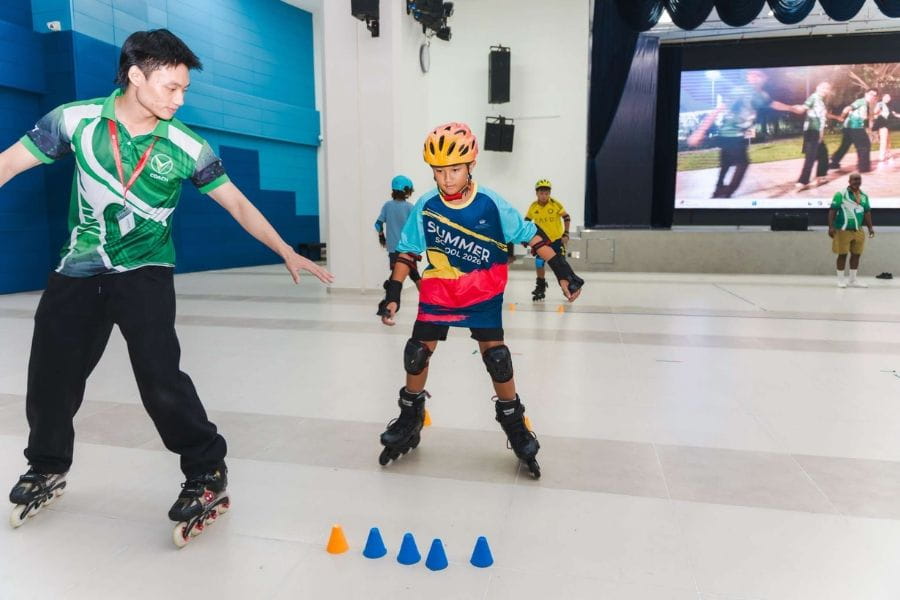
With encouragement and guidance from their teachers, BVIS students confidently take on new challenges such as roller skating, gradually building their skills and confidence along the way (Source: BVIS HCMC)
>> Parents may also be interested in:
- How to Develop Reading Habits in Children: 8 Practical Tips
- The importance of play in child development
What Life Skills Do Children Develop at BVIS Ho Chi Minh City?
At British Vietnamese International School (BVIS) Ho Chi Minh City, life skills are developed alongside academic learning from the very beginning of each child's educational journey.
The Early Years Foundation Stage (EYFS) programme, designed for children aged 2 to 5, provides a strong foundation for personal, social, emotional, physical and cognitive development, while helping children build the confidence, independence and communication skills they need for future success.
The EYFS Curriculum Provides the Foundations for All-Round Development
At BVIS Ho Chi Minh City, the British EYFS curriculum supports children's development across seven key areas of learning, including personal, social and emotional development; communication and language; physical development; literacy; mathematics; understanding the world; and expressive arts and design.
This holistic approach helps children develop the essential skills they need for learning, communication, independence and building positive relationships with others.
A key feature of the programme is the balance between child-initiated exploration and purposeful teacher guidance. Children are encouraged to explore, ask questions, try new experiences and gradually develop confidence, independence and positive learning habits.
A Bilingual Environment That Builds Communication and Confidence
Learning and development across the EYFS curriculum at BVIS take place in both English and Vietnamese. This bilingual environment provides children with meaningful opportunities to develop language and communication skills while gradually building confidence in using both languages during learning and social interactions.
Through conversations, storytelling, music, play and collaborative activities, children are encouraged to express their ideas, needs and emotions. Teachers act as facilitators and mentors, carefully observing and supporting each child according to their individual stage of development.
>> Read more: The Benefits of Bilingual Education
Phonics Supports Early Language Development
At BVIS Ho Chi Minh City, children learn through Read Write Inc. Phonics, a structured phonics programme that helps them understand the relationship between sounds and letters and develop early reading skills. Beyond supporting literacy development, phonics also strengthens children's writing skills and overall language development.
A unique feature of BVIS is that phonics is delivered in both English and Vietnamese. Children learn to identify, blend and decode sounds in two languages, supporting language development while helping them switch confidently between English and Vietnamese.
Learning Through Play and Real-World Experiences
In line with the EYFS philosophy, children learn through play, exploration, questioning and first-hand experiences. At BVIS, storytelling, role play, creative arts, physical activities and age-appropriate inquiry projects provide natural opportunities for children to develop communication, collaboration, problem-solving and independence skills.
>> Read more: Five Benefits of Residential Trips and Field Trip for BVIS HCMC Students
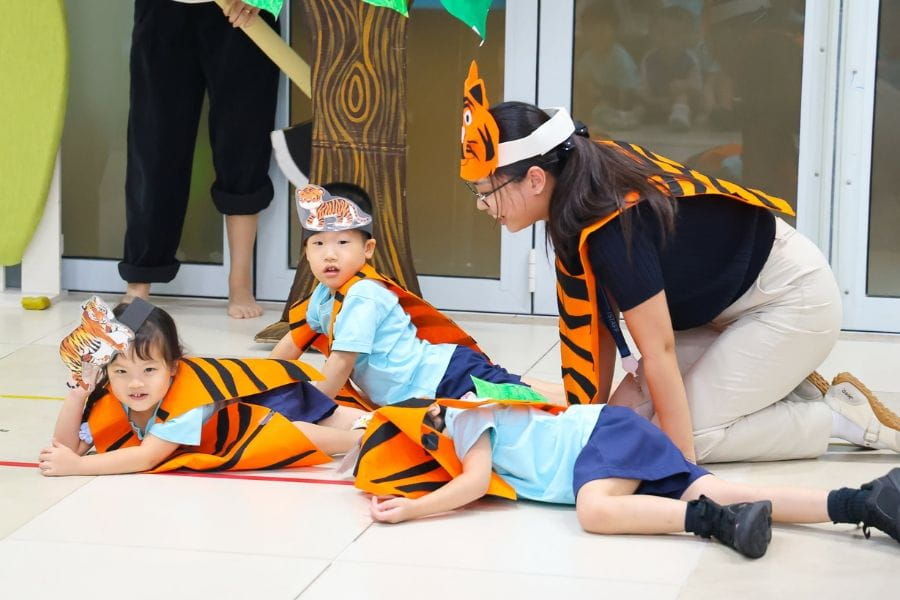
At BVIS, every lesson becomes an opportunity for exploration as children take on different roles, stay active and learn alongside their friends through meaningful experiences (Source: BVIS HCMC).
Teachers Working in Partnership with Families
Every child develops at their own pace and has unique learning needs. At BVIS, teachers act as trusted partners, observing, guiding and supporting each child throughout their learning journey. They create a safe and nurturing environment where children feel heard, valued and confident in expressing themselves.
Strong collaboration between families and school also helps create a consistent and supportive learning experience for every child.
>> Read more: The importance of Home – School links to children’s development
Nurturing Independence and a Love of Learning from an Early Age
At BVIS Ho Chi Minh City, children are encouraged to explore, discover and learn through experiences that are carefully matched to their stage of development. Within the classroom, teachers encourage children to make choices, ask questions, test ideas and take responsibility for age-appropriate tasks. Through these everyday experiences, children gradually develop independence, collaboration skills and confidence, while maintaining their natural curiosity and enthusiasm for learning.
>> Discover more:
- How to Choose an International School: 8 Essential tips for Parents
- 7 benefits of studying at an international school
At British Vietnamese International School (BVIS) Ho Chi Minh City, the British EYFS curriculum combines experiential learning with a nurturing and supportive environment, enabling every child to learn at their own pace while developing the confidence, independence and life skills needed for future success.
Parents are welcome to learn more about our Early Years programme or experience the learning environment first-hand through:
- Campus address: 44–46 Street No. 1, Binh Hung Residential Area, Binh Chanh District, Ho Chi Minh City.
- Opening hours: Monday - Friday (8:00 AM – 5:00 PM)
- Hotline:
- Primary: +84 (28) 3758 0709 ext. 111
- Secondary: +84 (28) 3758 0717 ext. 211
- Email: admissions@bvisvietnam.com
Discover more about BVIS:
Related news
News image ![Top 5 essential life skills for children to build their confidence and independence - ky nang song cho tre mam non]() Blog | Educational Insights
Blog | Educational Insights Top 5 Essential Life Skills for Children to Build Confidence and Independence
Discover 5 essential life skills for children and learn how parents can help them build confidence, independence and healthy habits from an early age.
News image ![What Is an International School? A Parent’s Guide to Choosing A Suitable One - truong quoc te la gi]() Blog | Educational Insights
 Blog | Educational Insights
What Is an International School? Understanding the Different Types of Schools
What is an international school? Learn about international curricula such as the British curriculum, IB and American programmes, as well as the benefits, entry requirements and key factors to consider when choosing a school for your child.
News image ![AI in education: 7 practical applications of AI in teaching and learning - AI trong giao duc]() News | Educational Insights
 News | Educational Insights
AI in education: Practical applications of AI in teaching and learning
What is AI in education? Discover 7 practical applications of AI that personalise learning, automate routine tasks, and enhance teaching and learning outcomes.
News image ![Study abroad in the USA: Programmes & Requirements - du hoc my]() Blog | Educational Insights
 Blog | Educational Insights
Requirements for study abroad in the USA: what do students need to prepare to get into their dream university?
Study abroad in the USA in 2026: updated entry requirements, application documents, visa requirements and what students need to prepare for a strong foundation for international university admission


