


28 August, 2026
How to Choose an International School: 8 Essential tips for Parents

Choosing an international school requires careful consideration of financial affordability, curriculum, your child’s development, and long-term goals.
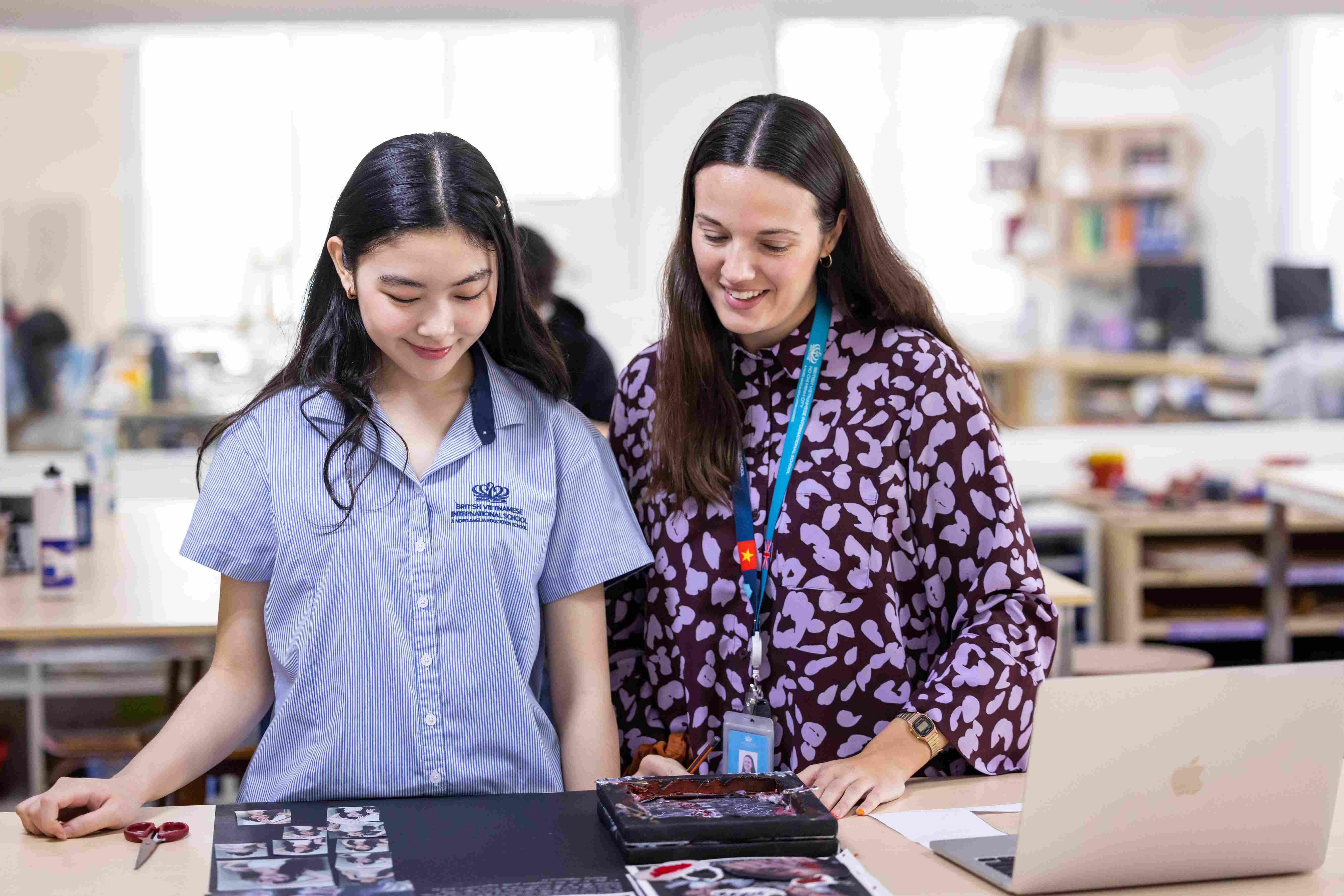
TABLE OF CONTENTS
- Top 8 Tips for Choosing an International School for Your Child
- 1. Identify Your Child’s Educational Goals and Learning Pathway Before Choosing a School
- 2. Research the School’s Curriculum and Qualifications Carefully
- 3. Assess Teaching Quality and the Faculty
- 4. Academic Results, International Qualifications and University Opportunities
- 5. Learn from the Experiences of Other Parents and Students
- 6. Is the Learning Environment Safe and Supportive?
- 7. Is the School Community a Good Fit for Your Family?
- 8. Visit the School and Experience It First-Hand Before Deciding
Top 8 Tips for Choosing an International School for Your Child
1. Identify Your Child’s Educational Goals and Learning Pathway Before Choosing a School
Before choosing a school, parents should clearly identify their child’s learning goals and development pathway. This is one of the most important tips for choosing an international school for your child, helping families select an educational environment that is right for their child.
- Suitability for an international learning environment: International education places a strong emphasis on initiative, critical thinking, independent learning and collaboration. Students are encouraged to ask questions, express their views, participate in discussions and develop independent thinking. Parents should therefore consider their child’s level of independence and ability to adapt before making a decision.
- Learning pathway: Parents should determine whether their child is likely to continue their education in Vietnam or study abroad after secondary school. Each pathway may suit different curricula and language requirements. Identifying this direction early can give students a clearer learning pathway and help them prepare more effectively for the future.
- Your child’s interests, abilities and personality: Every student has their own abilities, interests and personality. Parents should look for a school with a curriculum and extracurricular activities that allow their child to build on their strengths. When students learn in an environment that suits them, they are more likely to remain motivated and engaged over time.

Parents should identify their child’s goals, learning pathway and interests when looking for a suitable educational environment (Source: BVIS)
>> Find out more:
- Long-term considerations when choosing an international school in Ho Chi Minh City
- Understanding the student experience in the first years at an international school
2. Research the School’s Curriculum and Qualifications Carefully
One of the most important tips for choosing an international school for your child is to carefully research the school’s curriculum and qualifications. These factors shape the student’s learning foundation, teaching approach and future university opportunities.- Curriculum type: Parents should research international school curricula such as Cambridge, IB or A Level to find an option that aligns with their child’s educational pathway. Each curriculum has a different teaching approach and educational objectives. The school will implement the programme and support students throughout their learning journey.
- Recognition of qualifications: Parents should research the awarding body and the extent to which qualifications are recognised after graduation. Qualifications that are widely recognised around the world can make it easier for students to apply to international universities and broaden their study opportunities across different countries.
- University pathway: Schools often have university counselling teams that support students from an early stage. Parents and students may receive guidance on subject choices, building an application profile and selecting suitable fields of study. Collaboration between parents, students and the school can make university preparation more effective.
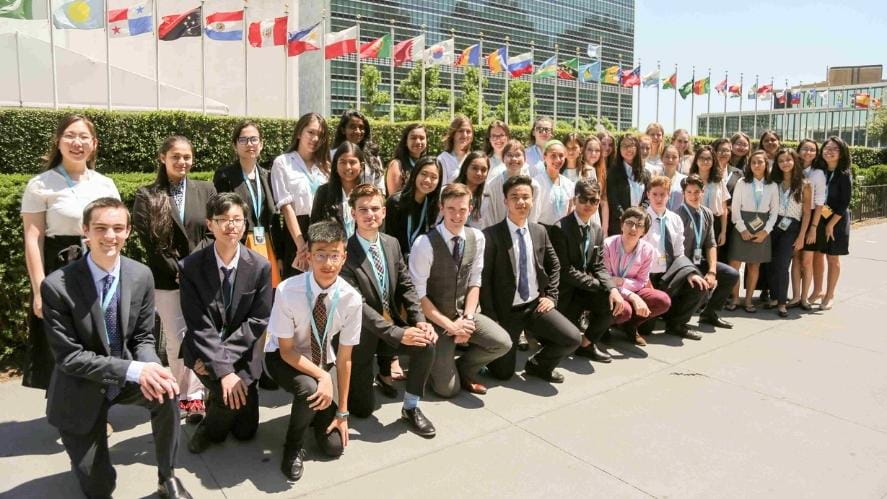
An internationally recognised curriculum and globally valued qualifications open up opportunities for children around the world (Source: BVIS HCMC)
>> Read more:
- Montessori vs EYFS: Choosing the right early years curriculum for your child
- IB vs A-Levels: What's the difference? Which is better for your child?
3. Assess Teaching Quality and the Faculty
When considering how to choose an international school for their child, parents should pay particular attention to teaching quality, the faculty and the level of support provided to each student. These are core factors in helping children develop academically, build skills and gain confidence in an international learning environment.- Highly qualified teachers: Teachers’ qualifications, academic backgrounds and teaching certifications are key factors for parents to consider when choosing an international school. Teachers with relevant subject expertise and strong pedagogical skills can help students build a solid academic foundation from the earliest years.
- International experience and long-term commitment to the school: In addition to qualifications, parents should look into teachers’ teaching experience and length of service at the school. A stable faculty with substantial international experience can reflect the quality of the school environment while providing continuity throughout students’ learning and development. It can also help foster positive relationships between teachers, students and families.
- Appropriate class sizes: A suitable class size allows teachers to give closer attention to individual students while encouraging active participation, interaction and collaboration.
- Personalised learning: Beyond teaching quality, parents should find out how the school monitors academic progress and supports individual students. Understanding each student’s needs, strengths and goals enables teachers to provide appropriate guidance and help them fulfil their potential.
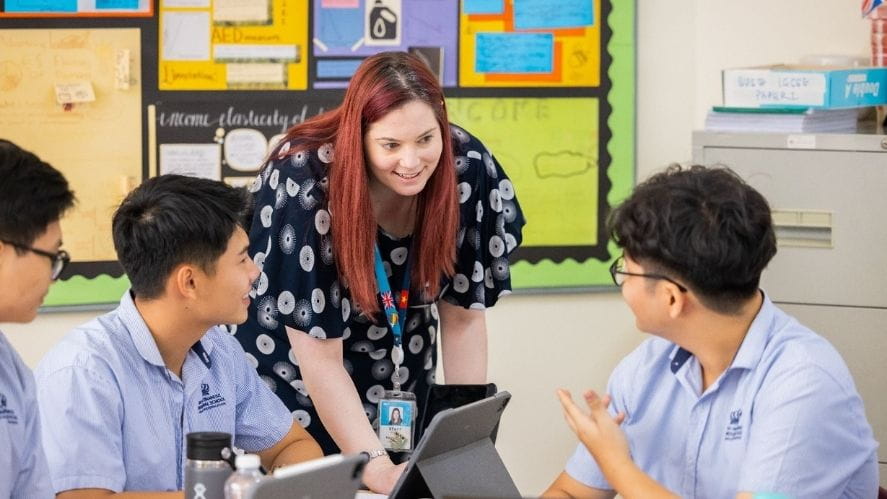
Teaching quality is reflected in the dedicated and highly qualified faculty at an international school (Source: BVIS HCMC)
>> Read more:
- How academic progress is monitored and supported over time
- How Early Years Foundation Stage (EYFS) Builds Confidence and Independence in Young Children?
- Practice makes perfect: why mock exams are great for students’ brains
4. Academic Results, International Qualifications and University Opportunities
In addition to the curriculum, parents should also look at the school’s student outcomes, including:- International examination results: Look at students’ performance in examinations such as IGCSE, A Level or IB, including high-grade rates, graduation rates and academic awards. These results can provide an indication of teaching quality and the level of support offered by the school.
- Value of international qualifications: Parents should find out whether the curriculum and qualifications students receive after graduation are recognised by universities and educational institutions worldwide. An internationally valued qualification can give students more options when progressing to university.
- University offers and scholarships: Offers from reputable universities, the number of university offers and international scholarships received by students can provide evidence of the school’s outcomes. They also give parents a basis for assessing whether the educational environment can help their child achieve their future academic goals.
Reviewing the academic results and achievements of previous cohorts can give parents a more comprehensive view of the quality of education and the long-term value an international school can offer.

Outstanding international examination results and university offers from leading universities worldwide received by BVIS students in Ho Chi Minh City
>> Read more:
- How British education supports flexible career pathways
- How your child’s learning needs evolve from primary years to university readiness
5. Learn from the Experiences of Other Parents and Students
Insights from families whose children currently attend the school can be a valuable source of information, helping parents understand the quality of education and learning environment and gain a more objective perspective before making a decision:- Speak to the parent community: Talking to families whose children currently attend the school can provide practical insights into teaching quality, the learning environment and school culture, helping parents make a choice that suits their child’s needs and development pathway.
- Read reviews on forums and groups: Education forums and groups often contain practical comments and experiences relating to individual schools. However, parents should compare information from multiple sources to gain an objective view and avoid relying solely on personal opinions.
- Attend an Open Day or School Tour: Taking part in an admissions event or school tour allows parents and students to experience the learning environment first-hand. They can observe the facilities, school culture, teaching approach and the way teachers interact with students before making a decision.

Parents should listen to the real experiences of other families to make a more informed decision (Source: BVIS)
>> Find out more:
- The importance of play in child development
- The benefits of learning to climb 08-04
- Benefits of Bilingualism
6. Is the Learning Environment Safe and Supportive?
Alongside the curriculum, the learning environment plays an important role in students’ academic, physical, mental and emotional development. When choosing an international school, parents should consider the following:- Student safeguarding and wellbeing: Parents should ask about student protection procedures, campus security, transport arrangements and emergency response plans. A safe, well-managed learning environment helps students feel confident as they learn, explore and develop each day.
- Health care and holistic support: In addition to school medical services and balanced nutrition, parents should consider support for mental health, counselling and student wellbeing. These services contribute to a positive learning environment where every student feels cared for and understood.
- Diverse learning and experiential spaces: Libraries, laboratories, sports facilities, playgrounds and creative spaces support classroom learning while encouraging students to explore their interests, develop skills and nurture a lasting enjoyment of learning.
- A positive school culture and individual care: A quality educational environment should promote respect, inclusion and a sense of responsibility. Parents should learn about the school’s child protection policies and how it supports students in overcoming challenges in their learning and everyday lives.
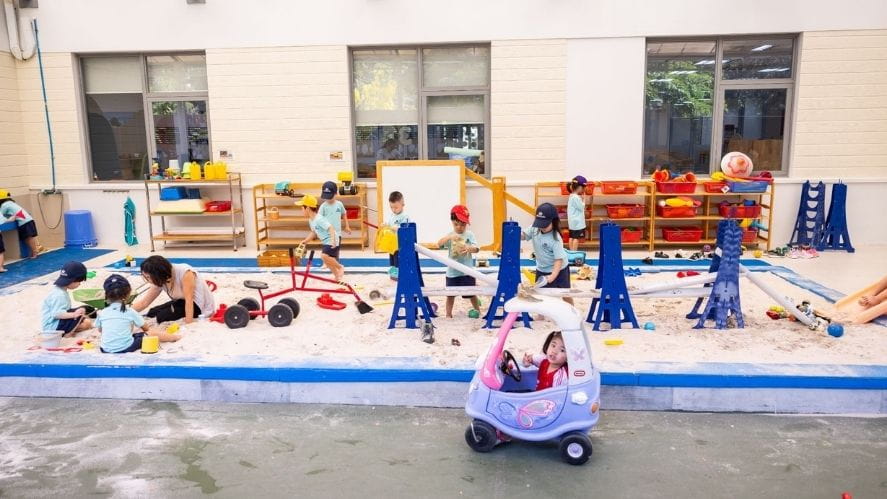
A modern and safe learning environment provides opportunities for students to develop both intellectually and physically (Source: BVIS HCMC)
>> Read more: How much screen time is too much for kids?
7. Is the School Community a Good Fit for Your Family?
A school community that shares the family’s educational philosophy and maintains a strong partnership between home and school can help students settle in more effectively and support their development throughout their learning journey. When choosing an international school, parents should therefore consider the following:- Educational philosophy and values: Consider whether the school’s approach aligns with the family’s expectations for supporting the child’s development.
- Multicultural environment: Students have opportunities to learn, communicate and collaborate with peers from different cultural backgrounds in an open environment that respects differences.
- Family–school partnership: Consider whether the school regularly updates families on academic progress, organises community activities and encourages parents to take part in their child’s development.
8. Visit the School and Experience It First-Hand Before Deciding
Information on websites and in reviews should be treated as a reference point. For a fuller and more objective perspective, parents should attend school tours or Open Days to experience the learning environment first-hand. This is an opportunity to gain a deeper understanding of the curriculum, school culture and how well the school may suit their child. During the visit, parents can consider the following:- Learning culture and school environment: Observe how teachers interact with students, how students participate in classroom activities and the overall learning atmosphere. A positive and respectful environment that encourages students to develop can provide a strong foundation for long-term success.
- Facilities and learning experiences: Take time to visit classrooms, libraries, laboratories, sports facilities, playgrounds and creative spaces. These areas not only reflect the school’s level of investment but also show how it supports students’ development both inside and outside the classroom.
- Speak directly with the school team: School visits give parents an opportunity to learn more about the curriculum, teaching approach, faculty, learning pathways, extracurricular activities, student support services and intended student outcomes.
- Assess the fit for your child: Every student has different personality traits, interests and learning needs. Parents should observe how comfortable, engaged and connected their child feels with the learning environment, teachers and experiential activities before making the most suitable decision.
>> Read more: Five Things to Look for on a School Tour
The tips above bring together key criteria to consider when choosing an international school. By weighing educational goals, teaching quality, the learning environment, safeguarding arrangements and the family’s financial circumstances, parents can make a more comprehensive assessment. This can help them choose an environment that supports your child's growth, nurtures their strengths and prepares them for future success.
Every student has their own strengths and development needs. Choosing the right school today can not only help children fulfil their potential but also open up wider opportunities for learning and development in the future. For parents seeking a bilingual, internationally standard educational environment with a British curriculum and a continuous pathway from Early Years through to secondary education, BVIS HCMC is an option worth considering.
To support their decision, parents should take time to explore the curriculum and speak directly with the Admissions Team via:
- Campus Address: 44–46 Street No. 1, 6B Intresco Residential Area, Binh Hung Commune, Ho Chi Minh City, Vietnam
- Office Hours: Monday to Friday, 8:00 am – 5:00 pm
- Telephone:
- Primary School: +84 (28) 3758 0709 (Extension 111)
- Secondary School: +84 (28) 3758 0717 (Extension 211)
- Email: admissions@bvisvietnam.com
Discover more about BVIS:


