Learn how the International Primary Curriculum at NAIS Manila links subjects and real-world learning to develop deeper understanding, curiosity, and essential life skills in students.

07 January, 2026
International Primary Curriculum at NAIS Manila: Connecting Learning to Real Life
.jpg?h=3840&iar=0&w=4800&rev=d945d1798a7f44629178ed7a218a42f4&hash=CF2592A78062691C7DF1AF879CCA3A8D)
International Primary Curriculum at NAIS Manila: Connecting Learning to Real Life
At Nord Anglia International School Manila, learning is designed to be meaningful, engaging, and connected to the real world. With the introduction of the International Primary Curriculum (IPC), students are encouraged to see the bigger picture and understand how what they learn in school applies beyond the classroom.
The IPC moves away from isolated subjects and instead helps children make connections between ideas, skills, and experiences. This approach allows learning to feel purposeful, relevant, and exciting for young learners.
Connecting Ideas Across Subjects
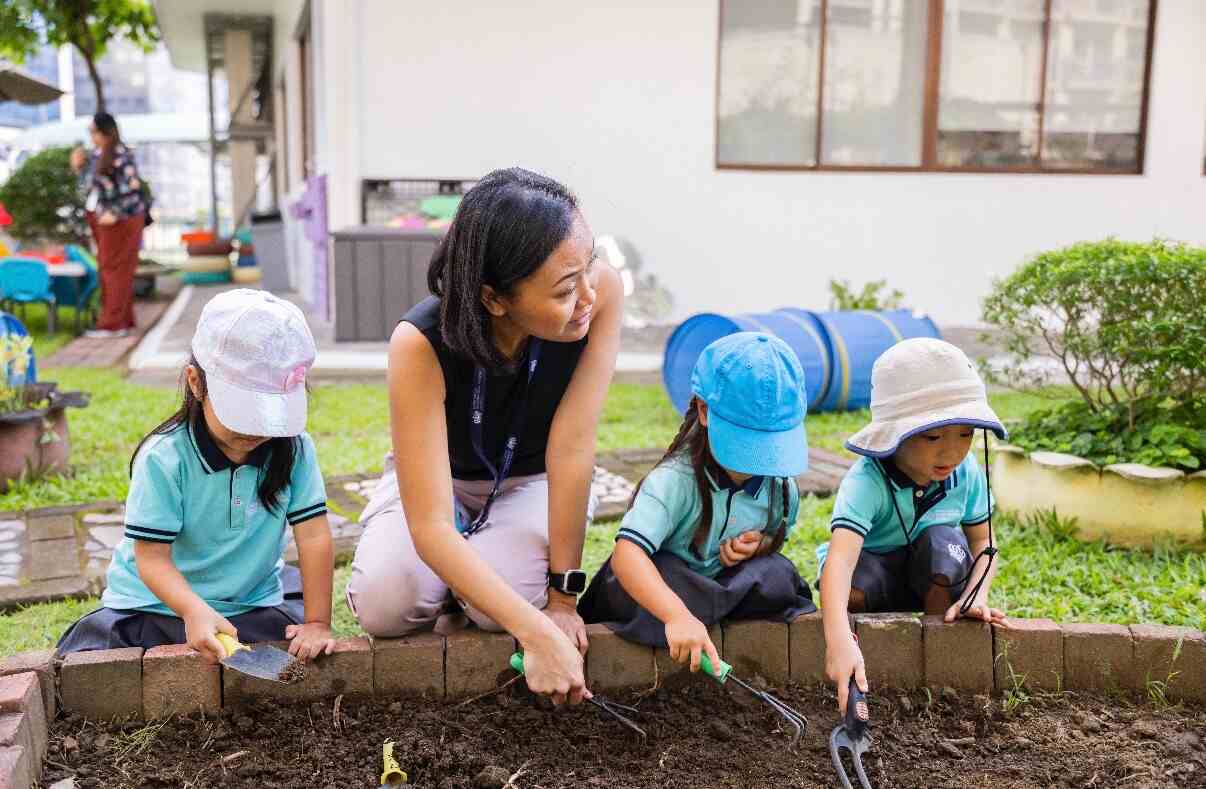
Children learn best when they understand why something matters. Through the IPC, lessons are carefully designed around themes that link different areas of learning together. A single unit might connect science, geography, literacy, and the arts, helping students see how knowledge works together rather than in separate pieces. This integrated approach supports deeper understanding. Instead of memorising facts, students explore concepts, ask questions, and apply what they learn to real-life situations. Learning becomes something they can relate to, not just something they are taught.
Seeing the Big Picture
One of the key strengths of the IPC is how it helps students see the world as interconnected. Children begin to recognise how local actions can have global impact and how different cultures, environments, and perspectives shape the world around them. By exploring international themes and global contexts, students develop curiosity, awareness, and empathy. They learn to appreciate similarities and differences, encouraging a mindset that is open, reflective, and respectful.
How does the International Primary Curriculum help students connect what they learn in the classroom to real-life experiences
“By linking learning to real experiences, reflection, and shared celebration, the IPC helps children understand not just what they are learning, but why it matters in their everyday lives. Links with the Sustainable Development Goals support the development of global competencies and an international mindset, while encouraging children to take positive action on issues that matter to them. What could be more important?” – shared by Sara Berenguer, Head of Primary.
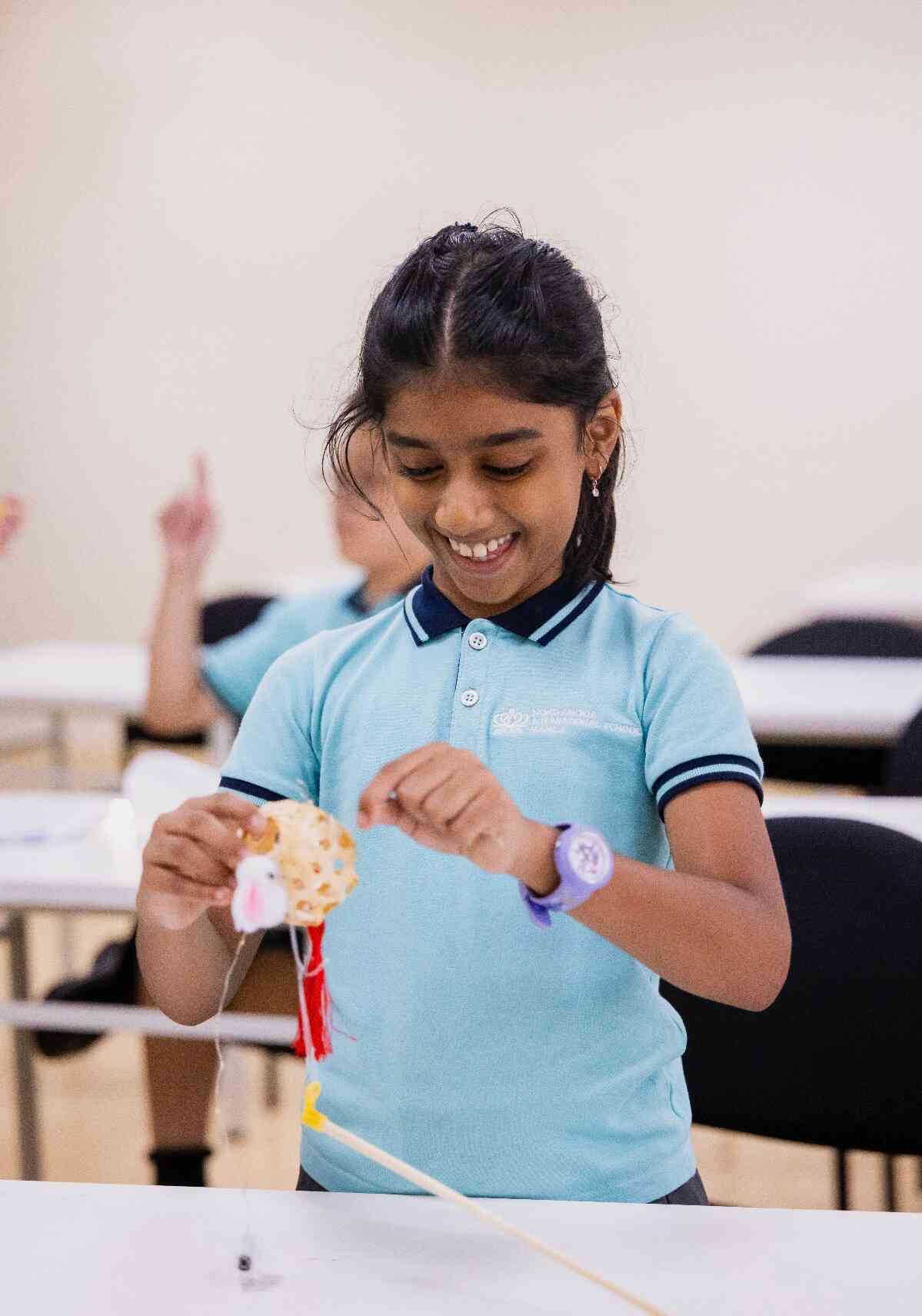
By introducing the International Primary Curriculum, NAIS Manila is providing students with a strong foundation built on understanding, curiosity, and connection. The IPC supports students in becoming thoughtful, informed, and confident learners who are ready to navigate an ever-changing world. Through learning that connects to real life, our students are empowered to see the bigger picture and understand their place within it.
Related news
News image ![The Moment She Will Always Cherish - Are You Proud of Me - Manasi and Gia]() Blog | Nord Anglia Education | studentsuccess
Blog | Nord Anglia Education | studentsuccess
 Blog | Nord Anglia Education | studentsuccess
 The Moment She Will Always Cherish
A parent’s story reflects the transformative power of education. Discover how NAIS Manila empowers children to grow into creative thinkers, curious learners, and confident individuals.
News image ![What a Mother Says When Her Daughter Asks - Are You Proud of Me - Kimberly and Fiona]() Blog | Nord Anglia Education | studentsuccess
Blog | Nord Anglia Education | studentsuccess
 Blog | Nord Anglia Education | studentsuccess
 What a Mother Says When Her Daughter Asks
The greatest source of parental pride goes beyond grades. Learn how NAIS Manila shapes students into confident, compassionate, and caring individuals.