Discover the future-ready skills students develop at NAIS Manila to thrive in a rapidly changing world.

14 July, 2026
What Skills Will Matter Most in the Future?
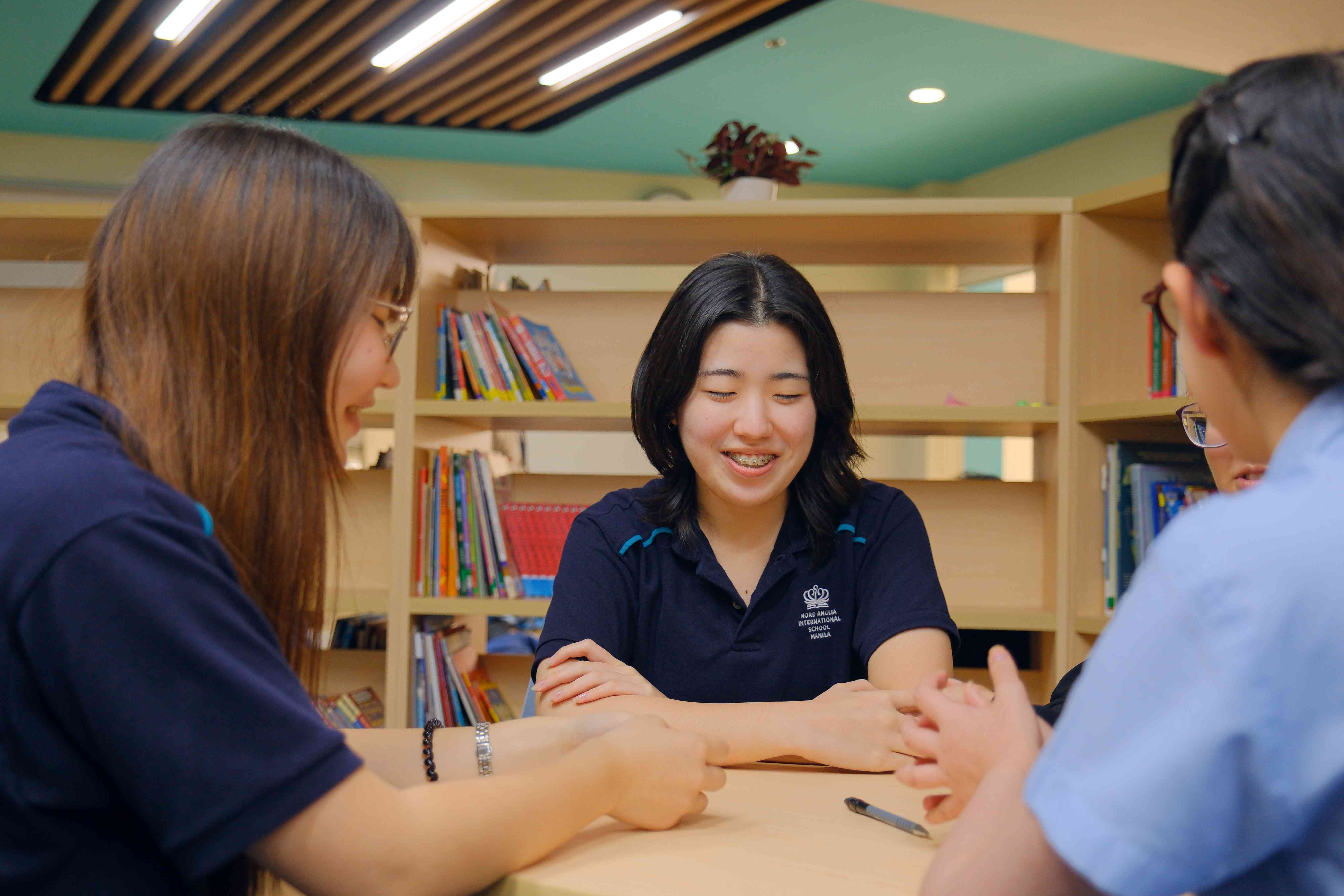
Many parents recognise that the world their children will enter as adults may look very different from the one they know today. Advances in technology, artificial intelligence, and global connectivity continue to reshape how people work, communicate, and solve problems.
As a result, parents are increasingly asking an important question: will the education children receive today remain relevant in the future?
While strong academic foundations remain essential, schools also have a responsibility to help students develop the skills and attributes that will enable them to adapt, learn, and succeed in an evolving world. At Nord Anglia International School Manila (NAIS Manila), preparing students for the future means combining academic excellence with the development of transferable skills that support lifelong success.Balancing knowledge with transferable skills
As a result, parents are increasingly asking an important question: will the education children receive today remain relevant in the future?
While strong academic foundations remain essential, schools also have a responsibility to help students develop the skills and attributes that will enable them to adapt, learn, and succeed in an evolving world. At Nord Anglia International School Manila (NAIS Manila), preparing students for the future means combining academic excellence with the development of transferable skills that support lifelong success.
The future will require more than academic achievement
Academic knowledge remains an important part of education. However, future success is likely to depend on a broader set of skills that help young people navigate change and respond to new challenges.
Mrs. Alison Fox, NAIS Manila Principal, explains:
"At NAIS Manila, we believe future success will depend not only on academic achievement, but on the human skills that allow young people to adapt, collaborate and thrive in a rapidly changing world."
Skills such as critical thinking, creativity, communication, and collaboration are becoming increasingly important across a wide range of industries and professions. Alongside these, resilience, adaptability, and digital literacy help students respond confidently to changing circumstances.
As technology continues to evolve, students will need to think independently, solve problems effectively, and work successfully with people from different backgrounds and perspectives.
Equally important are personal qualities such as compassion, integrity, and emotional intelligence, which help young people build positive relationships and contribute meaningfully to their communities.
Future-ready skills are developed through everyday learning
Developing these skills does not happen through a single lesson or standalone programme. Instead, they are most effectively nurtured through everyday learning experiences.
At NAIS Manila, students are encouraged to think critically, ask questions, collaborate with others, and apply their learning in meaningful contexts across different subjects.
According to Mrs. Fox:
"Future-ready skills are developed most effectively when they are embedded into everyday learning rather than taught in isolation."
Through discussion, problem-solving activities, project-based learning, and real-world challenges, opportunities and experiences outside the classroom, students strengthen communication, teamwork, and critical thinking skills alongside their academic studies.
Opportunities to reflect on learning, present ideas, take appropriate risks, and learn from mistakes also help students develop confidence, resilience, and independence.
Learning beyond the classroom
Future readiness is strengthened when students can connect classroom learning with authentic experiences.
At NAIS Manila, students have access to global learning opportunities through Nord Anglia Education's collaborations with organisations such as MIT and Juilliard.
These experiences provide opportunities for students to engage with new ideas, explore creative solutions, and apply their learning in different contexts.
As Mrs. Fox explains:
"Whether through STEAM challenges inspired by MIT or creative and performing arts programmes connected to Juilliard, students are encouraged to think ambitiously, collaborate internationally and apply their learning in authentic contexts."
Experiences such as these help students see how academic knowledge can be applied beyond the classroom while developing confidence, creativity, and innovation.
Balancing knowledge with transferable skills
For parents, one of the most important considerations is whether schools can maintain strong academic standards while also developing broader competencies.
At NAIS Manila, these goals are viewed as complementary rather than competing priorities.
A science lesson, for example, is not only about learning scientific knowledge. Students are also encouraged to investigate questions, analyse evidence, communicate findings, and evaluate conclusions. In doing so, they develop transferable skills while strengthening subject understanding.
This integrated approach allows students to build academic expertise while also developing the communication, critical thinking, resilience, and problem-solving skills that will support future success.
Preparing students for an evolving world
While it is impossible to predict exactly what the future will look like, schools can help students develop the knowledge, skills, and attitudes that enable them to adapt to change with confidence. By combining strong academic foundations with opportunities to develop creativity, collaboration, communication, resilience, and critical thinking, NAIS Manila aims to prepare students for the opportunities and challenges that lie ahead.
As education continues to evolve, the goal remains the same: to help young people become capable, adaptable, and responsible individuals who are equipped to thrive at university, in their future careers, and in life beyond school.
Parents who would like to learn more about how NAIS Manila prepares students for future success are always welcome to speak with the academic leadership team and learn more about the school's approach to teaching and learning.
Related news
News image ![The Moment She Will Always Cherish - Are You Proud of Me - Manasi and Gia]() Blog | Nord Anglia Education | studentsuccess
Blog | Nord Anglia Education | studentsuccess
 Blog | Nord Anglia Education | studentsuccess
 The Moment She Will Always Cherish
A parent’s story reflects the transformative power of education. Discover how NAIS Manila empowers children to grow into creative thinkers, curious learners, and confident individuals.
News image ![What a Mother Says When Her Daughter Asks - Are You Proud of Me - Kimberly and Fiona]() Blog | Nord Anglia Education | studentsuccess
Blog | Nord Anglia Education | studentsuccess
 Blog | Nord Anglia Education | studentsuccess
 What a Mother Says When Her Daughter Asks
The greatest source of parental pride goes beyond grades. Learn how NAIS Manila shapes students into confident, compassionate, and caring individuals.