

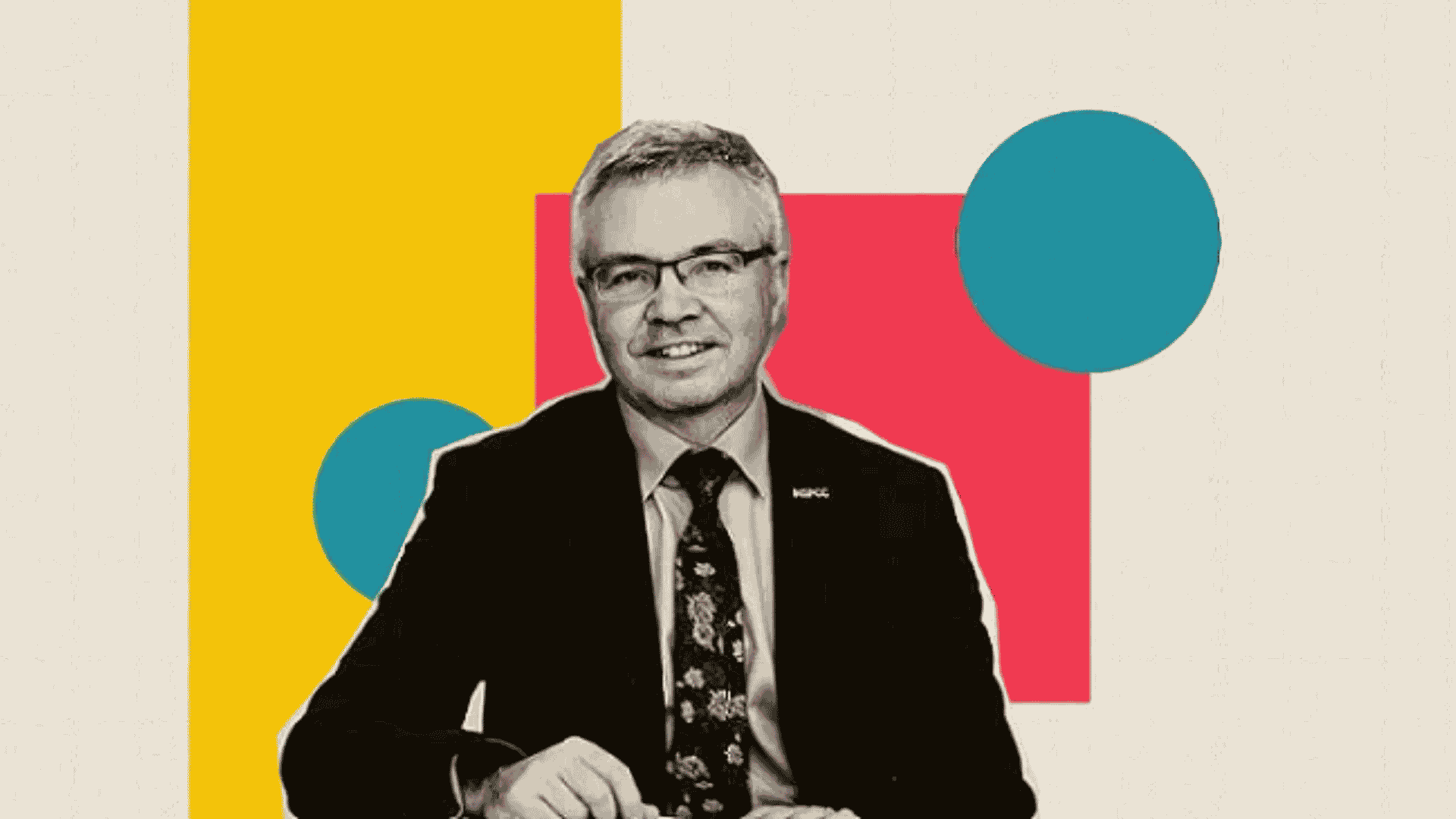
Sir Peter Wanless is the former CEO of the UK charity the National Society for the Prevention of Cruelty to Children (NSPCC), which he led from 2013 to 2024. The NSPCC, which raises about £125 million a year, employs around 1,500 people across the UK with about 8,000 volunteers. Through Childline, a 24/7 helpline for any child who has a worry or a concern, the NSPCC offers around 200,000 one-to-one counselling sessions a year as well as a host of web-based resources.
In addition to raising awareness about child abuse and neglect, and campaigning for the 2023 Online Safety Act, Peter has overseen the expansion of Speak out Stay Safe, a service to help young people in primary school understand the nature of abuse and neglect and what to do if there is a worry or a concern. Over 90% of UK schools choose to access it.
Peter was appointed Independent Safeguarding Advisor for Nord Anglia Education in January 2025. He reports to its Education Advisory Board, chaired by Lord David Puttnam.

27 April, 2026
In Conversation with Sir Peter Wanless: Safeguarding in schools and the future of child protection
What are you most proud about from your time leading the NSPCC?
I'm proud that we kept safeguarding, child abuse, and neglect in the public consciousness creating a much clearer kind of awareness and understanding of the nature, the scale and the prevalence of these issues.I'm pleased that we've been at the forefront of campaigning for the online world to be as safe for children as the offline world. We don't believe children should be shut away from life. They have rights to enjoy the benefits of childhood, whether or not there's risk associated with childhood. We were at the forefront of campaigning for an Online Safety Act in the UK, placing legal obligations on the people designing digital products and services, to exercise a duty of care to the young people using them. Finally, we’ve worked to create a near universal presence in UK schools to make it easy for more organisations, young people and families to learn, in an age-appropriate way, about how to stay safe from abuse, in a manner which ought to feel natural and straightforward.
Let’s talk about safeguarding in schools and maybe start with the obvious: why is safeguarding so important?
I think that a safe and happy child is a child who is ready and able to learn and grow. Creating an environment of physical and psychological safety and wellbeing, is good in its own terms, but it's also great for helping young people learn about one another and flourish to achieve their potential. Having regard to safety and wellbeing feels like a necessary precondition for everything else.
How do you see safeguarding changing, and what are some of the challenges for schools right now?
I think there's been increased attention on safeguarding because people have seen things go wrong for children in terrible ways. This has led to a codification of rules, procedures and practices, with associated obligations to be compliant. From a legal point of view, compliance is vital and one can derive some comfort from the existence of rules and people with job descriptions that operate in this space.
But, a consequence of this can be that people fail to see beyond the rules and a healthy safeguarding culture really does matter. It's the actual experiences that young people are thinking and feeling, and healthy relationships including among staff members and adults in schools that really determine the safety of an environment.
It’s a big challenge. How do we test and assess that culture? How do we understand and talk to one another and reflect on the healthiness and happiness of relationships in and around schools? And in ensuring adherence to our legal obligations, people are feeling safe and comfortable.
Related news
News image ![San Roberto Academic Excellence and Wellbeing]() News | ISR in the press | School News
News | ISR in the press | School News
 News | ISR in the press | School News
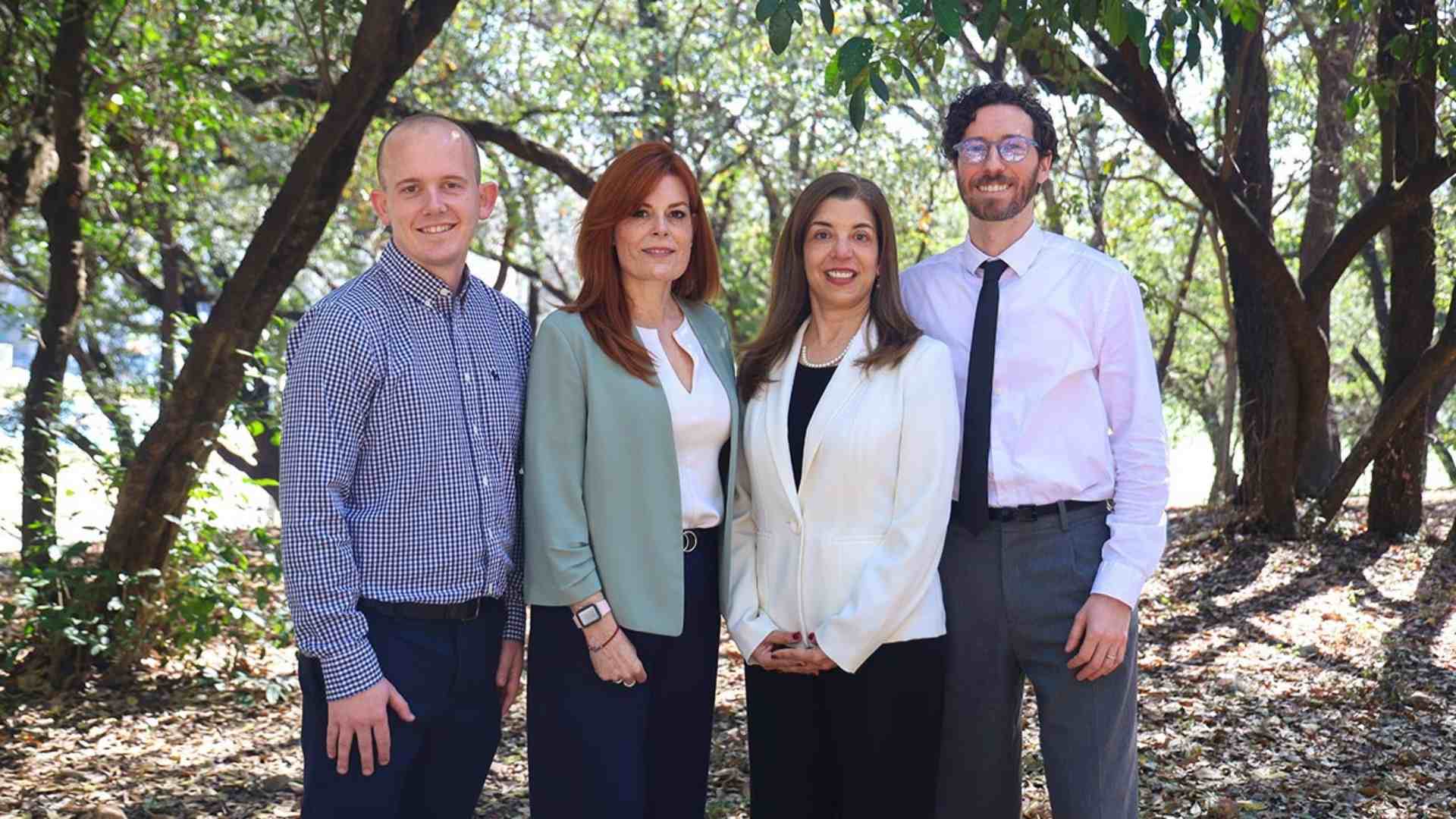
 At San Roberto International School, well‑being and academic excellence go hand in hand.
In an increasingly challenging educational environment, there are schools with a distinct, complete, and holistic offering to educate students with strong values.
News image ![16 - 16]() Blog | School News | schoolnews | Valores | values
Blog | School News | schoolnews | Valores | values
 Blog | School News | schoolnews | Valores | values
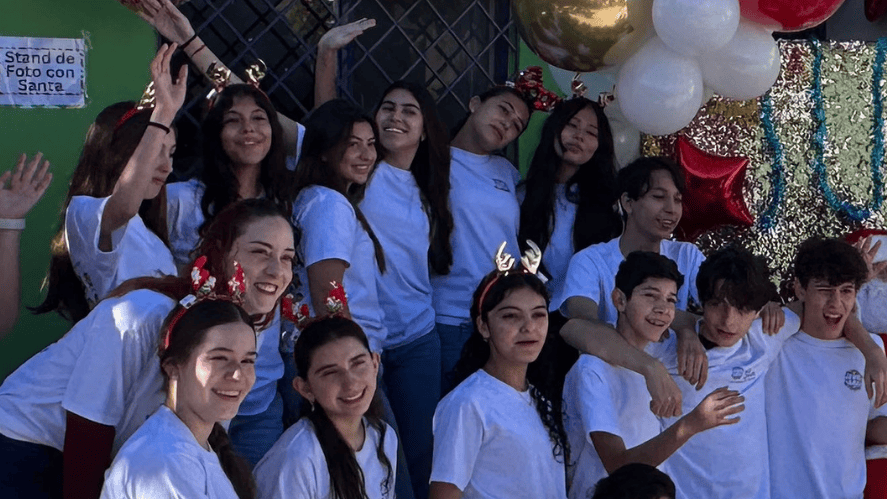
 Celebrating Community and the Right to Play
Our ISRUNVA Secretariat and AP MUN students from Valle Alto (7th to 9th grade), together with their families, led a heartfelt Christmas celebration for the community of La Gloria.
News image Blog | School News | Academic
Can Schools Build Better Thinkers? Nord Anglia Thinks So
To thrive in a fast-moving, complex, tech-driven world, young people want more than just knowledge. It’s a message that comes through loud and clear from a new survey of more than 1,500 “Zoomers” who are on the journey from school, through university to the job market.
News image ![Celebrating 10 Years of the Nord Anglia Education Global Games - Celebrating 10 Years of the Nord Anglia Education Global Games]() News | School News | Sports
News | School News | Sports
 News | School News | Sports
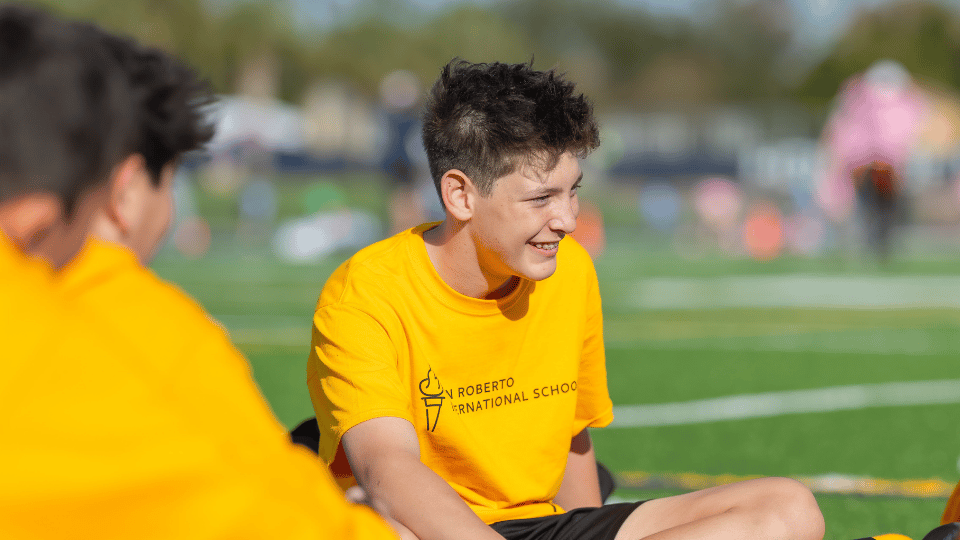
 Celebrating 10 Years of the Nord Anglia Education Global Games
This year, we are proud to celebrate the 10th anniversary of the Nord Anglia Education (NAE) Global Games, a unique event that brings together student-athletes from across the Americas for an unforgettable experience of competition, teamwork, and cultural exchange.


