

We use cookies to improve your online experiences. To learn more and choose your cookies options, please refer to our cookie policy.
12 October, 2026
What Sport Unlocks for Students, in School and Life
Ciara, a student at Nord Anglia’s British International School of Shanghai (BISS), remembers one thing very clearly about Year 6: she couldn’t run or throw.
“I was very uncoordinated,” she says, laughing. She skipped cross-country, dreaded warm-ups, and always got a stitch. But then something changed.
Marlon Devonish, a coach at BISS and gold-medal-winning Olympian, encouraged her to try—first with throwing, then running. She got better. He noted and pointed out how much she was improving. She felt the progress and dug in more. Her confidence grew with her abilities. Slowly, the girl who avoided sport was winning tournaments. She became a team captain and an award-winning multi-sport athlete. A local football academy scouted her.
Along the way, she learned more than how to sprint or save a goal: she learned to lead, to persevere, and to believe in herself. “It was always that reassurance from him, every year, telling me how much I had improved,” she said.
Sport isn’t just a break from the “real” work of school; it’s real work where essential life skills are built. It helps to develop confidence, resilience, focus, collaboration, emotional agility, stress management, and strength. In a world that’s changing fast—where face-to-face connection is often replaced by more fragmented interactions—sport and extracurriculars aren’t just “nice-to-haves,” but vital foundations for a healthy, connected childhood.
“Before, I never would have joined a game,” Ciara said of her confidence built through sport. Now she plays a variety of sports, many with friends in and out of school. “I feel like I speak a whole new language,” she said. “The language of sport.”
“I was very uncoordinated,” she says, laughing. She skipped cross-country, dreaded warm-ups, and always got a stitch. But then something changed.
Marlon Devonish, a coach at BISS and gold-medal-winning Olympian, encouraged her to try—first with throwing, then running. She got better. He noted and pointed out how much she was improving. She felt the progress and dug in more. Her confidence grew with her abilities. Slowly, the girl who avoided sport was winning tournaments. She became a team captain and an award-winning multi-sport athlete. A local football academy scouted her.
Along the way, she learned more than how to sprint or save a goal: she learned to lead, to persevere, and to believe in herself. “It was always that reassurance from him, every year, telling me how much I had improved,” she said.
Sport isn’t just a break from the “real” work of school; it’s real work where essential life skills are built. It helps to develop confidence, resilience, focus, collaboration, emotional agility, stress management, and strength. In a world that’s changing fast—where face-to-face connection is often replaced by more fragmented interactions—sport and extracurriculars aren’t just “nice-to-haves,” but vital foundations for a healthy, connected childhood.
“Before, I never would have joined a game,” Ciara said of her confidence built through sport. Now she plays a variety of sports, many with friends in and out of school. “I feel like I speak a whole new language,” she said. “The language of sport.”
Confidence that’s earned, not bestowed
Devonish says sport helped him stand out. “I wasn’t the most academic, but I was definitely one of the sportiest. Sport gave me a way to stand out when everything else felt the same. It became a way to find out who I was.”
He now loves bringing that self-discovery and empowerment to all kids. That of course includes the elite athletes who go on to win scholarships and compete at the highest levels of sport.
But he’s equally charged by helping every child get stronger and more physically able—what he calls “well-being athletes”—who as they progress through life will be able to stay healthy, stay connected to a wider network of people, and participate in more networks. It’s also a way for them to learn teamwork or how to overcome adversity, and it enables types of camaraderie unique to sport.
“Kids who couldn’t catch a ball six months ago now are leading warm-ups. They realise, ‘I can do this. I’m improving’. That growth builds a confidence they take back into the classroom.”
The benefits of physical activity are well documented. One systematic review confirms that higher levels of physical activity are consistently associated with better self-perception, perceived competence, and self-esteem, across genders and contexts. Participation—not skill level—was a critical predictor of positive outcomes. Separate studies link physical activity in school to increased resilience as well as emotional regulation and self-esteem.
Related news
News image ![Celebrating 10 Years of the Nord Anglia Education Global Games - Celebrating 10 Years of the Nord Anglia Education Global Games]() News | School News | Sports
News | School News | Sports
 News | School News | Sports
 Celebrating 10 Years of the Nord Anglia Education Global Games
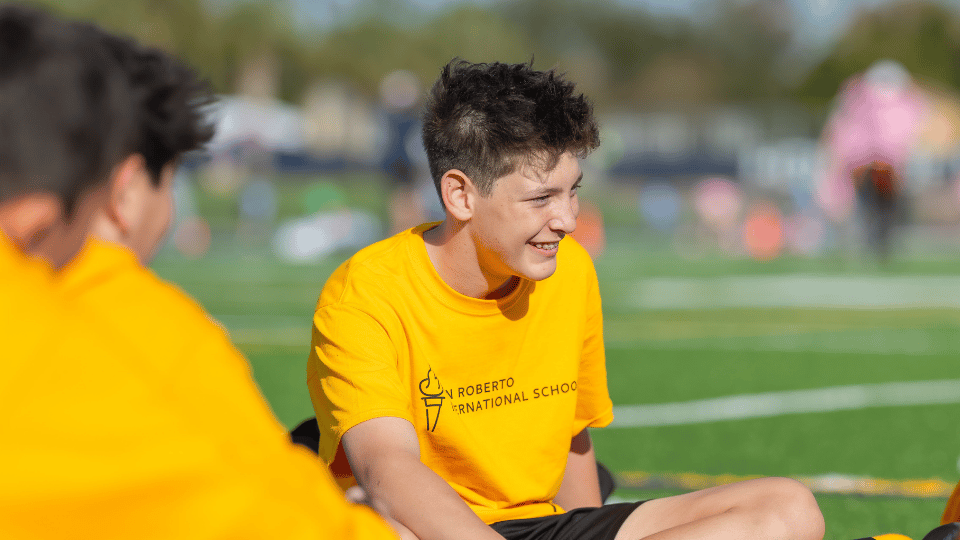
This year, we are proud to celebrate the 10th anniversary of the Nord Anglia Education (NAE) Global Games, a unique event that brings together student-athletes from across the Americas for an unforgettable experience of competition, teamwork, and cultural exchange.
News image ![Nord Anglia – IMG Academy Collaboration - IMG Academy]() News | Deportes | Sports | School News | schoolnews
News | Deportes | Sports | School News | schoolnews
 News | Deportes | Sports | School News | schoolnews
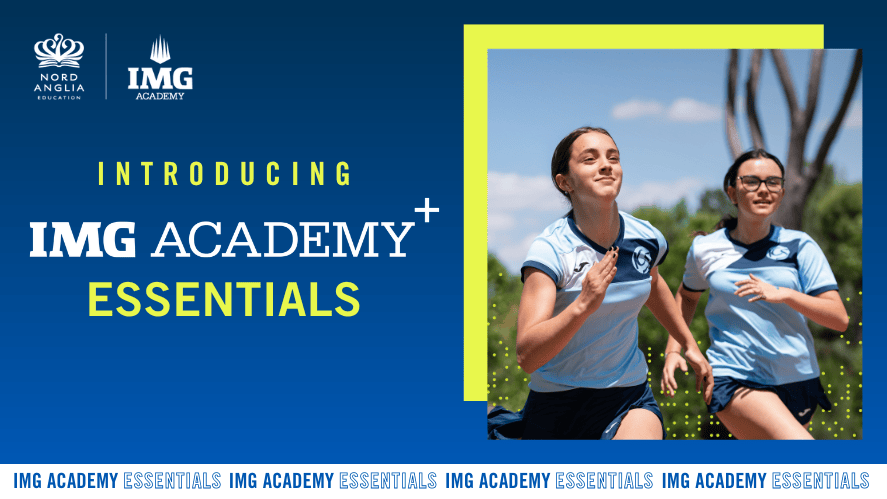
 Nord Anglia – IMG Academy Collaboration
Introducing IMG Academy+ Essentials at San Roberto International School


