


What Are Life Skills? The Role of Life Skills Education in Child Development

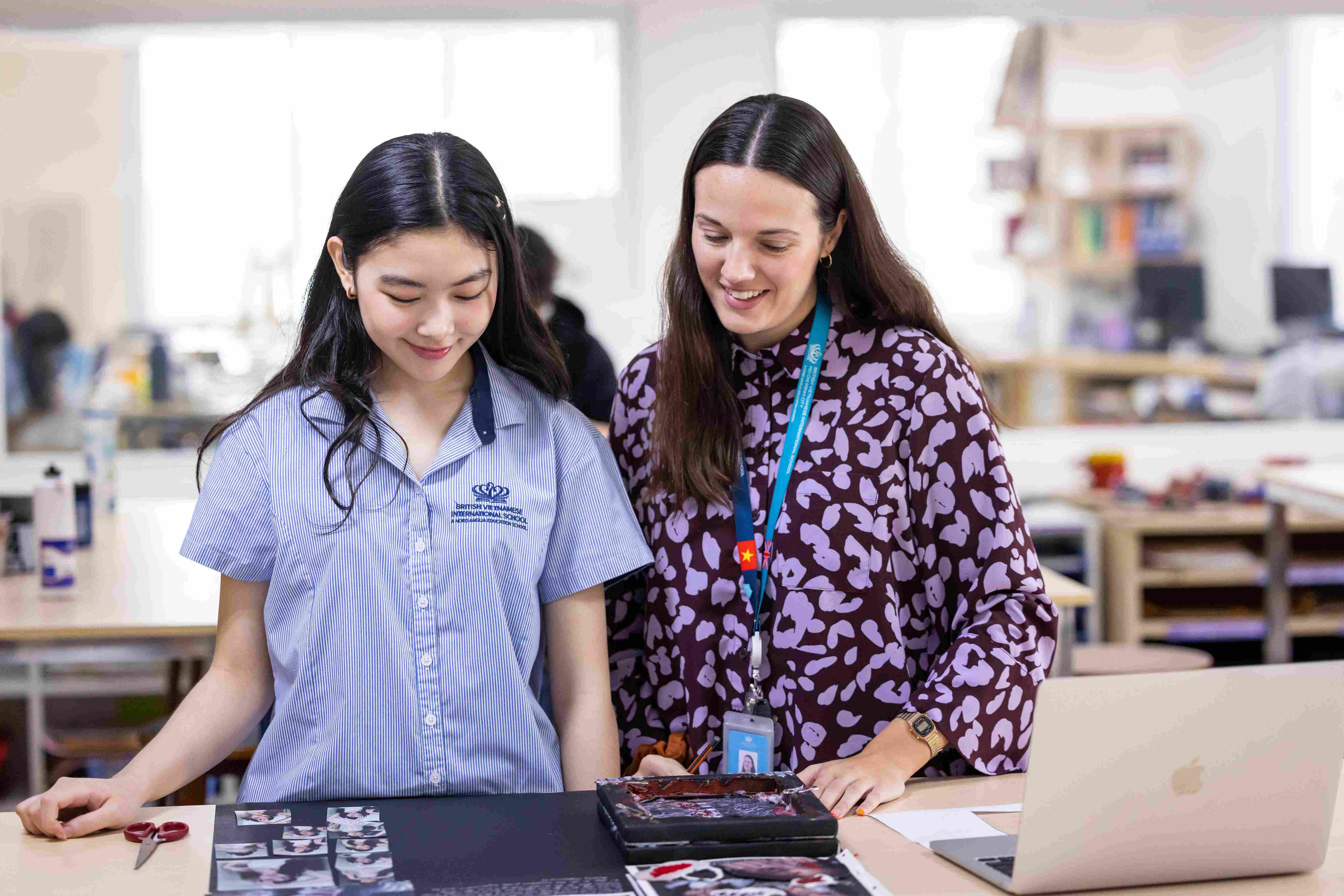
- What Are Life Skills?
- Why Are Life Skills Becoming Increasingly Important in the Age of AI?
- The 6 Essential Life Skills for Children’s Future Success
- How Can Children Develop Life Skills Most Effectively?
- How Does BVIS HCMC Help Students Develop Life Skills?
- Frequently Asked Questions (FAQs) About Life Skills
What Are Life Skills?
Life skills are the abilities that enable children to understand themselves, communicate effectively, solve problems, adapt to change and make appropriate decisions in both their learning and daily lives.
Life skills are not taught as a standalone subject. Rather, they are developed through learning experiences, real-world opportunities and interactions with family, school and the wider community. Through this process, children learn how to approach situations proactively, build confidence, develop independence and respond flexibly to the changes they encounter in life.
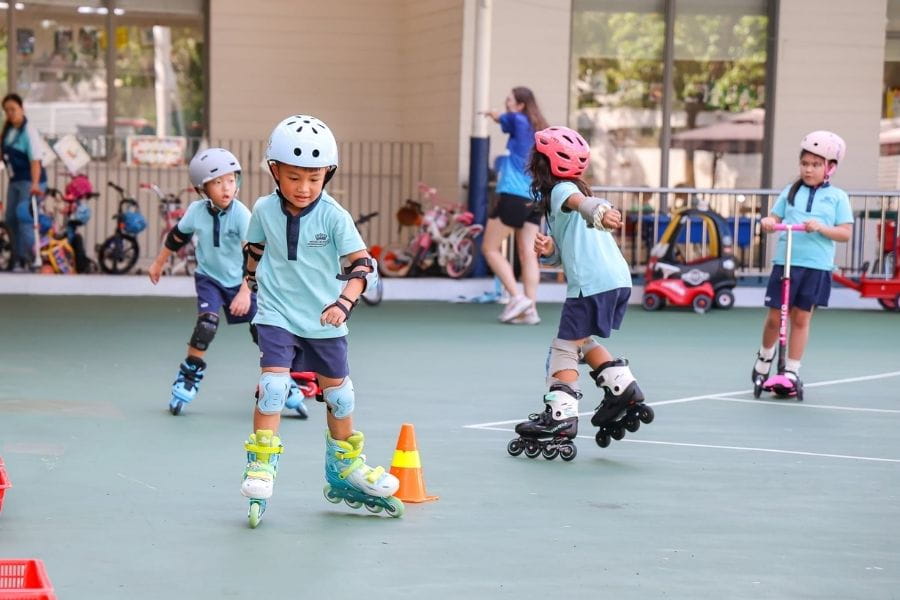
Life skills help children develop confidence, independence and adaptability in both learning and everyday life (Source: BVIS HCMC)
>> Read more:
- Soft skills: 8 Essential soft skills and their importance for students
- What Are Communication Skills? 7 Effective Ways to Help Children Communicate with Confidence
Why Are Life Skills Becoming Increasingly Important in the Age of AI?
The rise of AI is transforming the way people learn, work and access information. In this rapidly changing world, children need more than academic knowledge alone. Life skills provide the foundation that helps them navigate the future with confidence through three key areas of development:
Building Confidence and Independence
Life skills help children gradually become more confident and proactive in their daily lives. Rather than relying entirely on adults, children learn how to:
- Make appropriate choices in everyday situations
- Take initiative in solving problems
- Recognise their strengths and areas for improvement
- Express their thoughts and needs with confidence
Developing Adaptability for a Changing Future
The AI era is reshaping the world every day, creating new career opportunities while transforming traditional professions. Life skills, particularly adaptability, independent learning and critical thinking, help children adjust to new environments, remain confident in the face of change and seize opportunities for growth. Adaptability enables children not only to respond effectively to change but also to actively learn from new experiences.
Supporting Success in Learning, Careers and Life
Many life skills can be applied across education, future careers and everyday relationships. For example, children need time management skills to complete responsibilities, collaboration skills to work effectively with others and problem-solving skills to overcome challenges.
In the age of AI, capabilities such as critical thinking, communication, collaboration, creativity and adaptability help children use knowledge actively rather than simply absorb information.
>> Find out more:
- The importance of play in child development
- The Importance of Music in Education in the 21st Century
The 6 Essential Life Skills for Children’s Future Success
To help children step confidently into the world and thrive in the future, parents should focus not only on academic achievement but also on developing the six core life skills below:
1. Critical Thinking and Problem-Solving
Critical thinking helps children do more than simply absorb information. It encourages them to ask questions, analyse situations and form their own perspectives. When faced with a challenge, children learn to identify causes, consider different options and find appropriate solutions.
This skill can be demonstrated when children:
- Ask questions rather than simply accept information.
- Evaluate and select information from different sources.
- Consider issues from multiple perspectives.
- Make decisions based on analysis and reasoning.
2. Communication Skills
Communication is not only about expressing ideas. It also involves listening, sharing thoughts and respecting others. These skills help children communicate confidently with friends and teachers while participating effectively in a variety of social settings.
This skill can be demonstrated when children:
- Express their ideas clearly and confidently.
- Listen to and respect others.
- Share their thoughts and emotions appropriately.
- Build and maintain positive relationships.
3. Collaboration and Teamwork Skills
Collaboration is about more than simply working alongside others. It involves sharing responsibilities, listening to different viewpoints and working together towards a common goal.
This skill can be demonstrated when children:
- Share responsibilities with team members.
- Listen to and respect different perspectives.
- Contribute ideas and support others.
- Work together towards shared goals.
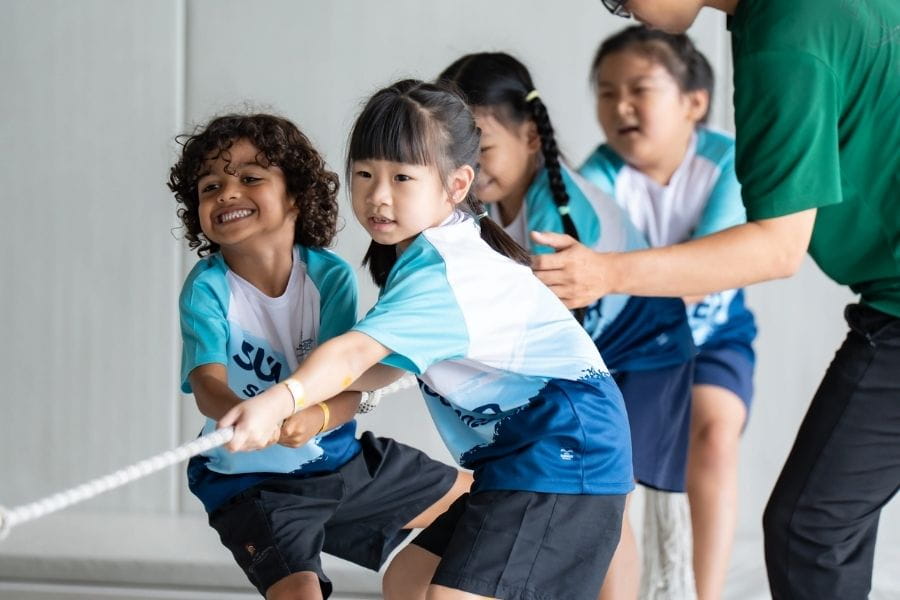
Team games provide valuable opportunities for children to develop communication, listening and collaboration skills while working with their peers (Source: BVIS HCMC)
4. Leadership and Responsibility
Leadership in children is not only about guiding others. It also involves taking initiative, making informed choices and accepting responsibility for their actions.
This skill can be demonstrated when children:
- Take initiative in learning and activities.
- Confidently share their ideas.
- Make informed decisions.
- Take responsibility for their actions.
>> Discover: BVIS HCMC Young Leaders Shine at Primary Student Leadership Conference 2025
5. Independence and Self-Management
Independence in children is reflected in their ability to take responsibility for age-appropriate tasks, while self-management helps them organise their time, maintain positive habits and fulfil their responsibilities.
This skill can be demonstrated when children:
- Manage their time effectively.
- Build and maintain positive habits.
- Take initiative in personal responsibilities.
- Take ownership of their learning and daily responsibilities.
6. Adaptability and a Global Mindset
Adaptability is about more than becoming comfortable in a new environment. It also involves being open to change and learning from a diverse range of experiences. A global mindset helps children understand and respect different cultures, perspectives and ways of thinking.
This skill can be demonstrated when children:
- Broaden their perspectives.
- Respect cultural differences.
- Embrace new experiences with an open mind.
- Adapt confidently to new environments.
>> Discover: Top 5 essential life skills for children to build their confidence and independence
How Can Children Develop Life Skills Most Effectively?
Life skills are developed most effectively when children have opportunities to experience, practise and apply what they have learned in real-life situations. Below are three key approaches that help children build and strengthen these skills every day:
Learning Through Real-World Experiences
Children move beyond simply listening and begin learning through active participation when they plan small projects, solve practical challenges and apply their knowledge to everyday situations. For example, parents can encourage children to plan a simple meal or manage a small budget to purchase an item. These experiences help children retain learning more effectively while developing flexible thinking and problem-solving skills.
Learning Through Extracurricular Activities
Team sports such as football and basketball, alongside creative arts activities, help children develop discipline, resilience and social skills. Sharing both victories and setbacks with teammates provides valuable lessons in perseverance and determination. These activities also offer opportunities for children to unwind after school, strengthen their emotional intelligence (EQ) and learn how to work effectively with others.
Learning Through Educational Visits and Community Engagement
Educational trips, outdoor experiences and community service activities encourage children to step outside their comfort zones and broaden their understanding of the world. Whether pitching a tent on a camping trip, participating in a beach clean-up or delivering gifts to children in need, these experiences help young people develop independence, observation skills and adaptability. At the same time, they nurture empathy and a sense of social responsibility from an early age.
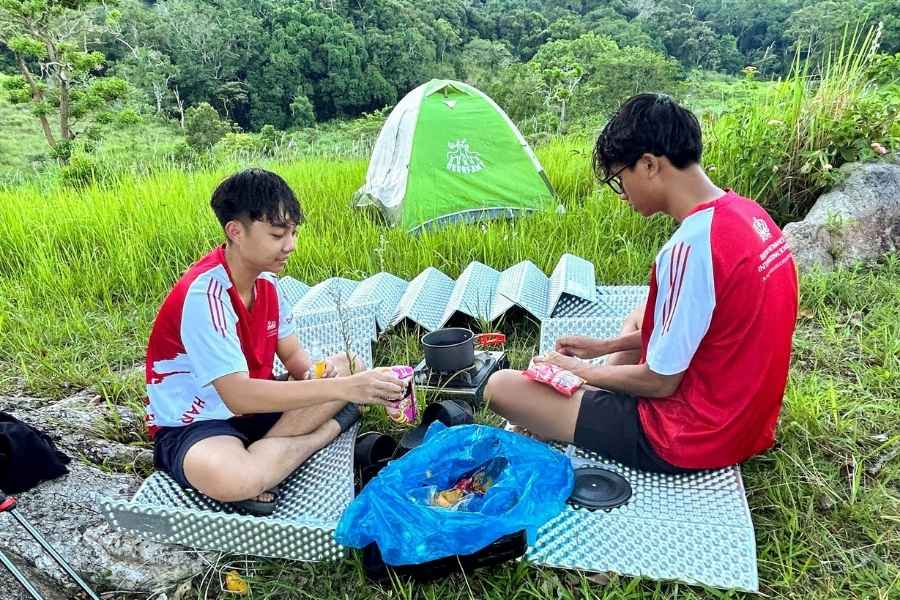
Educational trips filled with hands-on experiences help students develop independence and adaptability (Source: BVIS HCMC)
>> Read more: Five Benefits of Residential Trips and Field Trips for Students
How Does BVIS HCMC Help Students Develop Life Skills?
At the British Vietnamese International School Ho Chi Minh City (BVIS HCMC), life skills are not taught as a separate subject. Instead, they are naturally integrated throughout the curriculum, extracurricular activities and everyday school life. We provide a holistic learning environment where students not only build academic knowledge but also develop the essential qualities needed to step confidently into the world.
Developing Critical Thinking, Creativity and Problem-Solving Skills
The British curriculum at BVIS HCMC encourages students to ask questions, think independently and develop their own perspectives rather than passively absorbing information. In particular, our STEAM programme, delivered in collaboration with the Massachusetts Institute of Technology (MIT), provides hands-on interdisciplinary projects that give students the opportunity to explore, experiment and develop solutions to real-world challenges.
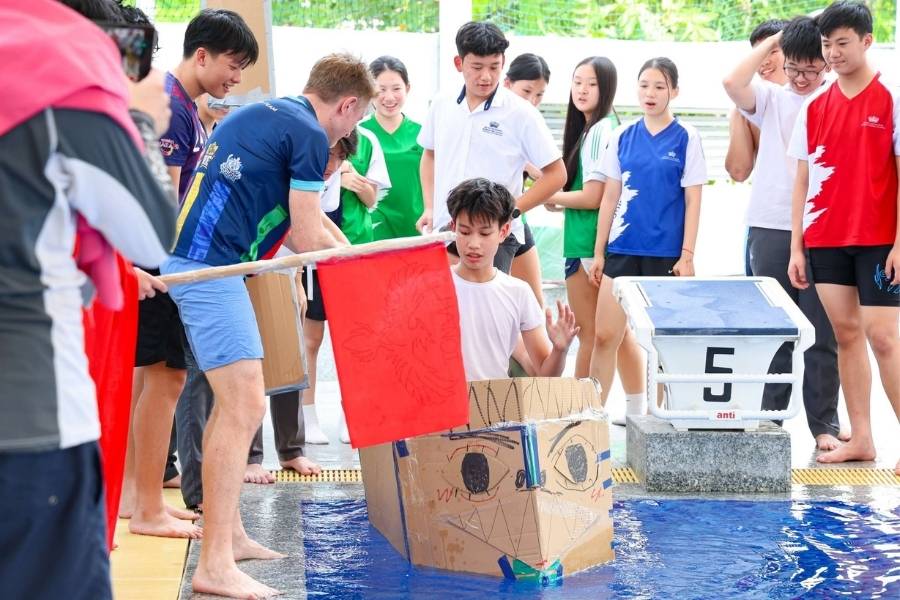
BVIS students take part in a paper boat design challenge during summer school, developing creativity and problem-solving skills through practical learning experiences (Source: BVIS HCMC)
Building Confidence, Collaboration and Leadership
With more than 100 extracurricular clubs spanning academics, the arts and sports, BVIS students have a wide range of opportunities to explore their interests and develop their individual strengths. Our collaboration with The Juilliard School empowers students to express themselves confidently through music and drama, while our partnership with IMG Academy helps develop resilience, teamwork and perseverance through sport. In addition, participating in the Student Council allows students to develop practical leadership skills by representing their peers and taking the initiative to organise school events and activities.
Nurturing Independence and a Global Mindset Through Real-World Experiences
Educational visits and community projects encourage BVIS students to step beyond the familiar classroom environment. As part of the Nord Anglia Education family, we provide opportunities for students to connect, collaborate and exchange ideas with peers from around the world. These experiences help students develop independence, adaptability and an appreciation for different cultures and perspectives.
Supporting Wellbeing for Holistic Development
At BVIS HCMC, we believe that student development should balance academic achievement with emotional wellbeing. Our Wellbeing programme is integrated into everyday school life, creating a positive, safe and supportive learning environment. Through this approach, students develop self-awareness, emotional regulation, the ability to build positive relationships, enthusiasm for learning and, importantly, the resilience needed to overcome challenges and thrive throughout their lives.
>> Find out more:
- What Is EYFS? The British Early Years Foundation for a Confident Start to Primary School
- What Is IGCSE? Subjects, Grading and Key Benefits for Students
- What Is A Level? Essential Information About A Level Qualifications
Frequently Asked Questions (FAQs) About Life Skills
1. What Are the Most Important Life Skills for Children?
The six core life skills that help children grow in confidence and achieve success include:
- Critical Thinking & Problem-Solving
- Communication Skills
- Collaboration & Teamwork
- Leadership & Responsibility
- Independence & Self-Management
- Adaptability & a Global Mindset
2. When Should Children Start Developing Life Skills?
Life skills development should begin as early as possible, ideally during the Early Years (ages 3–5). At each stage of development, parents can introduce age-appropriate learning experiences:
- Early Years: Focus on building basic independence and emotional regulation.
- Primary School: Develop communication and teamwork skills.
- Lower Secondary: Strengthen critical thinking, self-management and global awareness.
3. How Can Children Develop Life Skills Effectively?
Children develop life skills most effectively when they have regular opportunities to practise them in real-world situations. Families and schools can support this development through project-based learning, extracurricular activities, sports, the arts, community engagement and age-appropriate experiential learning opportunities.
4. Why Are Life Skills Important in the Age of AI?
AI can help people access and process information more efficiently, but children still need the ability to ask questions, evaluate information, communicate, collaborate, think creatively and make sound decisions. These skills enable young people to use technology purposefully and adapt successfully to changes in both education and future careers.
Developing life skills is a long-term journey that requires consistent support from both families and schools. When children are encouraged to take initiative, accept responsibility and learn from meaningful experiences, they gradually build the foundations needed to navigate the future with confidence.
At BVIS HCMC, student development is viewed holistically, not only through academic achievement but also through how students think, communicate, collaborate and grow throughout their learning journey. This approach helps students develop the confidence, character and adaptability needed to thrive in an increasingly interconnected world. If you would like to learn more about the educational opportunities available at BVIS HCMC, please contact us:
- Telephone:
- Primary: +84 (28) 3758 0709 ext. 111
- Secondary: +84 (28) 3758 0717 ext. 211
- Email: admissions@bvisvietnam.com
- Opening hours: Monday - Friday (8:00 AM – 5:00 PM)
Discover more about BVIS:
Related news
Blog | Educational Insights  Blog | Educational Insights
 Blog | Educational Insights
 Blog | Educational Insights


