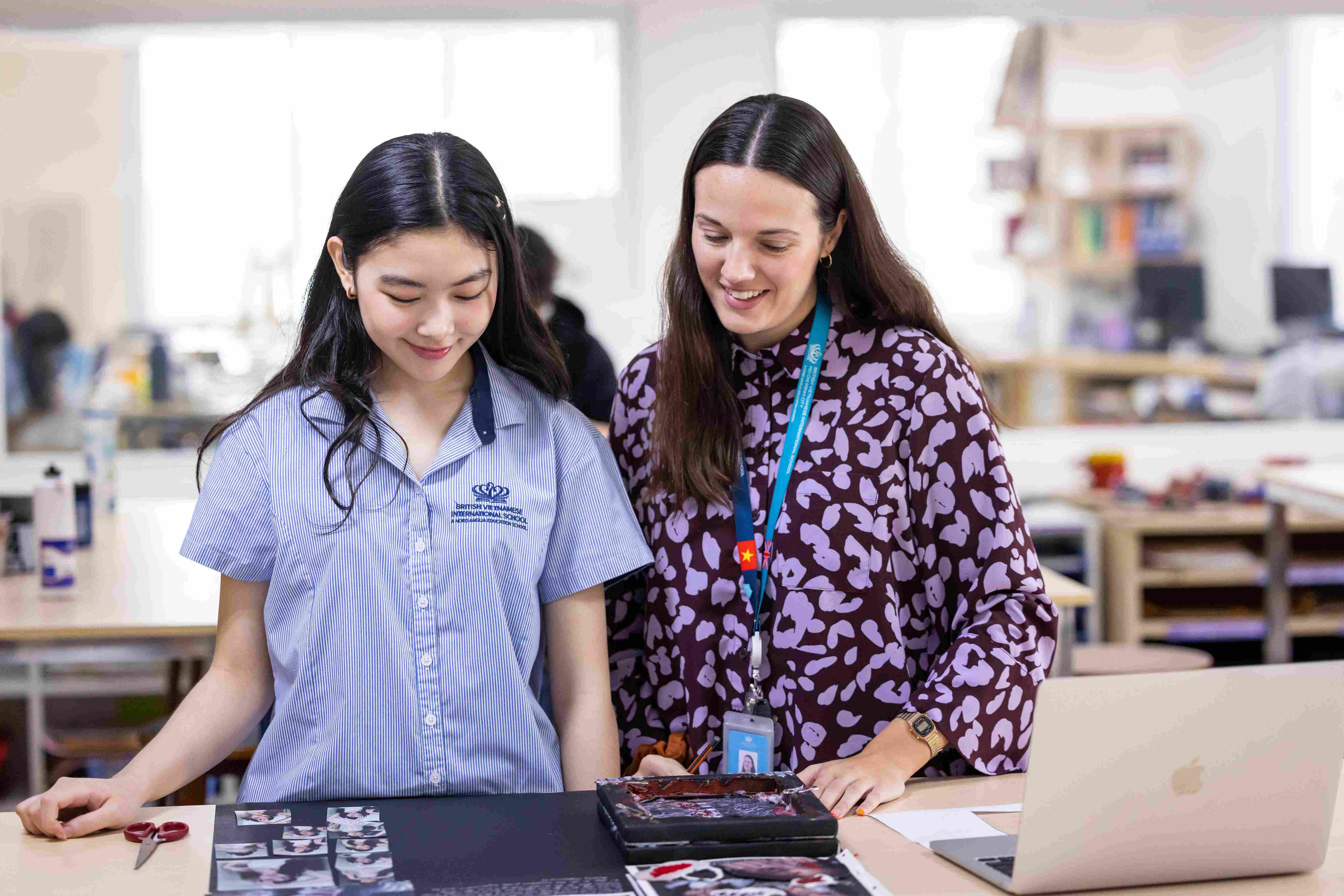
What are communication skills?
Communication skills are the ability to convey thoughts, emotions and information clearly and appropriately, while listening and responding during interactions with others. These skills are expressed not only through spoken words but also through gestures, facial expressions, tone of voice and behaviour.
Some key elements of communication skills include:
- Language: Using appropriate vocabulary and ways of expressing ideas in different situations.
- Listening: Paying attention, listening carefully and respecting what others share.
- Non-verbal communication: Using appropriate eye contact, facial expressions, gestures and body language.
- Confidence: Being willing to express one’s thoughts, wishes and emotions.
- Understanding and empathy: Showing care and respecting other people’s feelings and perspectives.
- Problem-solving and conflict resolutions: Communicating effectively, resolving disagreements and finding common ground.
- Social interaction: Taking the initiative to connect with others, collaborate and build positive relationships.
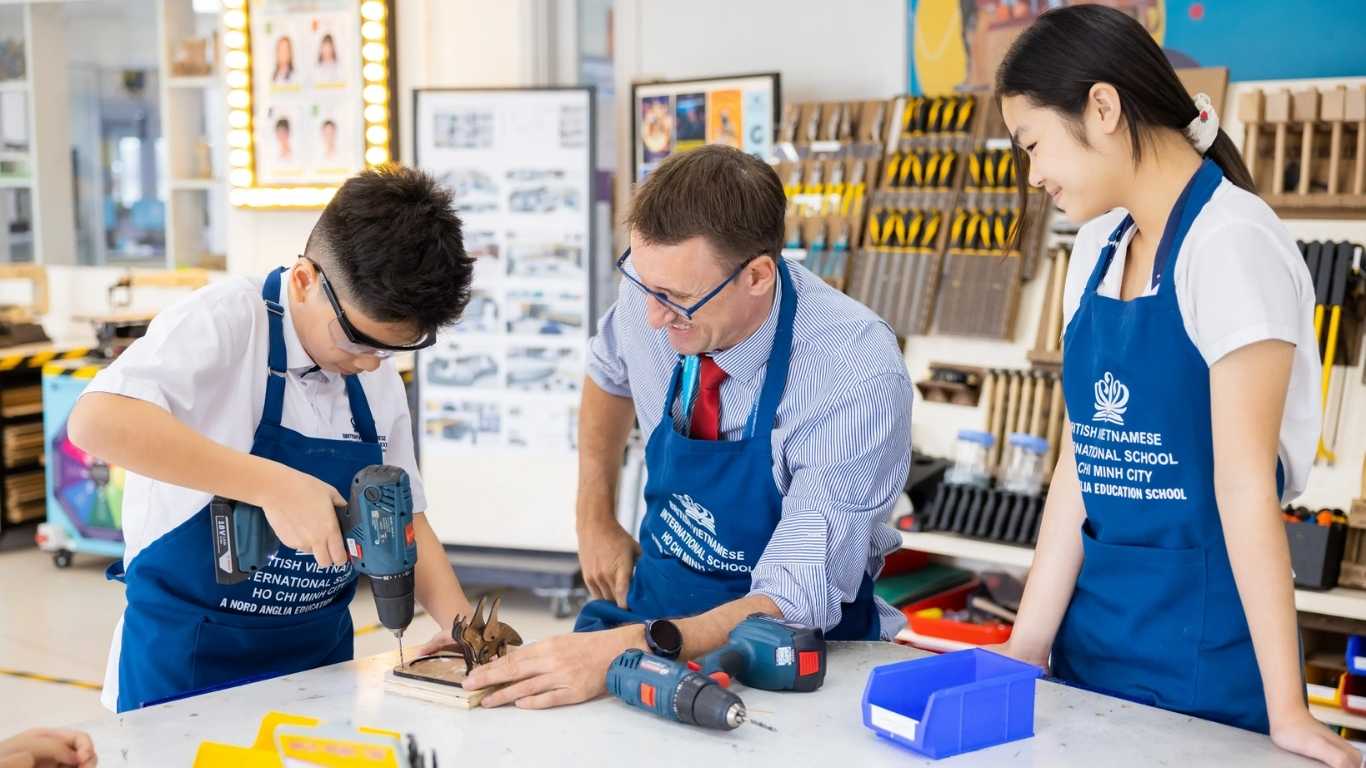
Communication skills are an important foundation that helps teachers and students connect, understand one another and communicate knowledge effectively (Source: BVIS HCMC)
>> Read more:
- What Are Life Skills? The Role of Life Skills Education in Child Development
- Soft Skills: 8 Essential Soft Skills and Their Importance for Students
The importance of communication skills
Communication skills play an important role in children’s development, from their use of language to their ability to connect with those around them. Specifically:
Developing language and expressive abilities
Regular communication helps children expand their vocabulary, learn to express their thoughts and use language appropriately in different situations. Children also gradually learn to ask questions, tell stories, and express their needs and emotions more clearly.
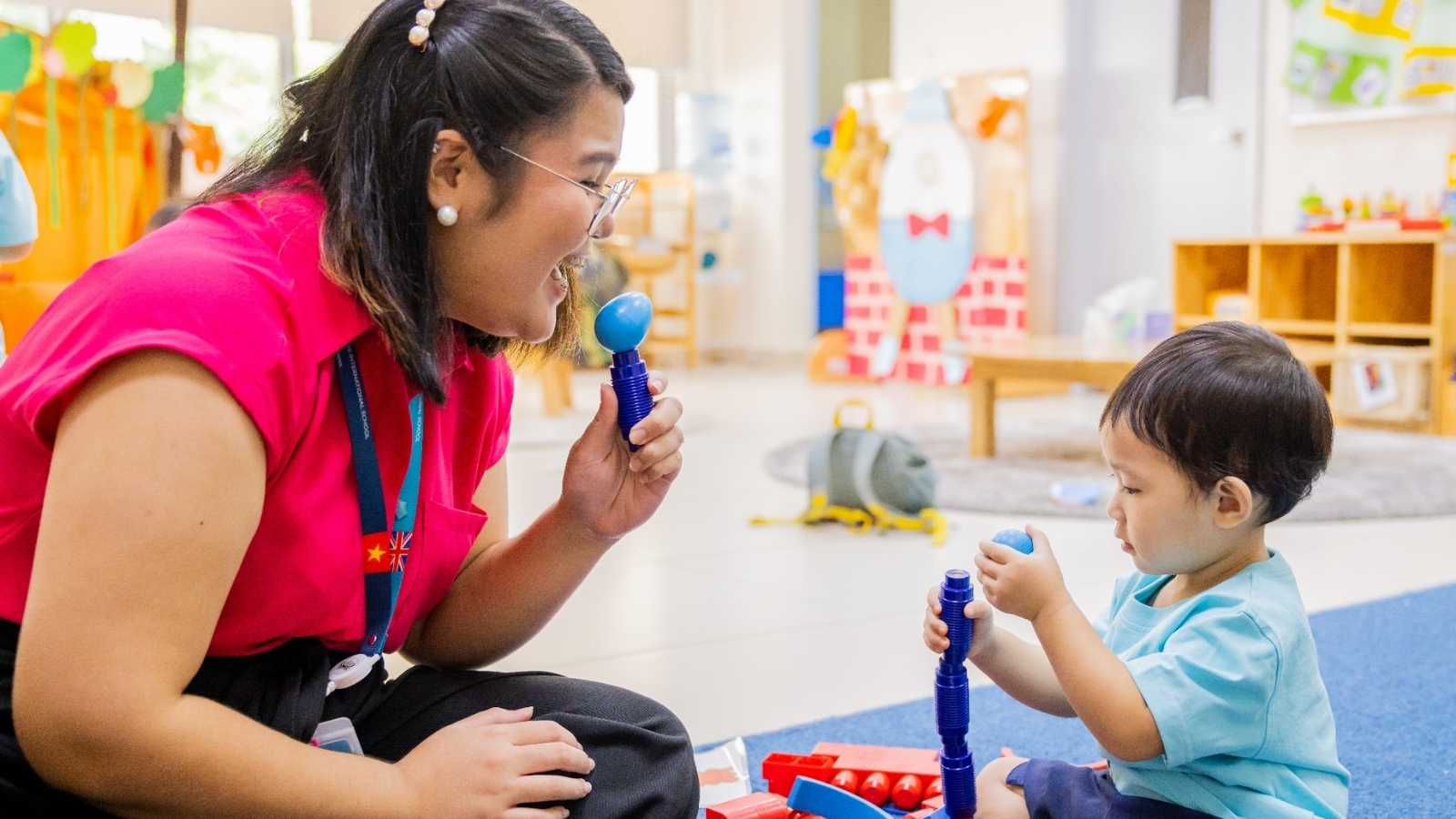
Communication skills help children develop their language, expand their vocabulary and express their views more clearly (Source: BVIS)
Building social relationships
Communication skills help children learn to listen, share, collaborate and interact positively with friends, teachers and family members. These skills provide the foundation for building healthy relationships and adapting more easily to their surroundings.
Boosting confidence
When children can express their thoughts and feel that they are being heard, they become more confident in communicating with others. Regular conversations, asking questions and participating in group activities also help children express themselves with greater confidence.
Preparing for the future
Communication skills developed in the early years continue to support children in their learning, teamwork and social relationships as they grow. These are among the fundamental skills that help children adapt proactively and develop in a variety of environments.
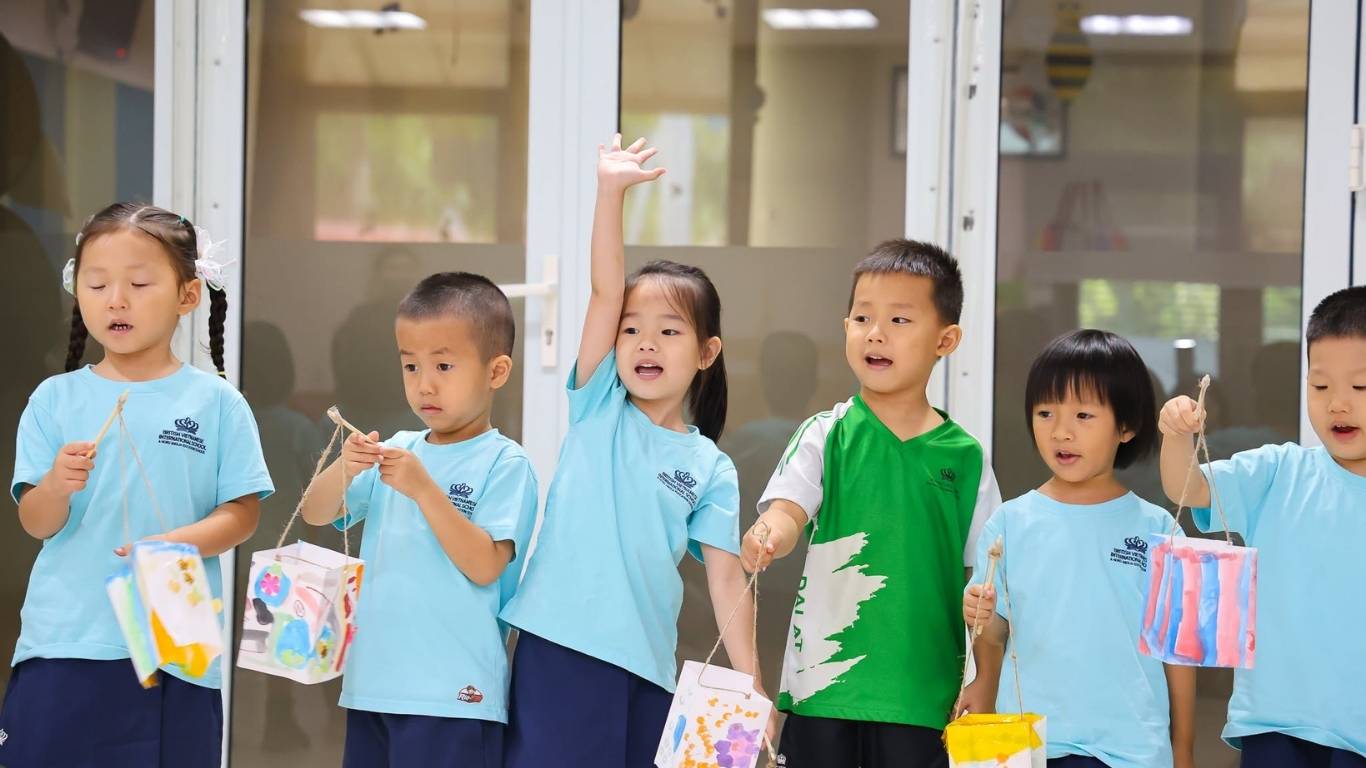
Developing communication skills from an early age helps children learn confidently, collaborate and build positive relationships in the future (Source: BVIS HCMC)
>> Read more: The Importance of Reading
7 effective ways to develop children’s communication skills
Children develop communication skills through regular interactions with family members, teachers and friends. Here are seven ways to help children gradually communicate with greater confidence and effectiveness.
Make time to talk
Regular conversations are a simple way to give children more opportunities to use language and learn to express their thoughts. Parents can start with familiar questions, such as what their child did that day, what made them happy or which activities they enjoyed the most.
During conversations, parents should listen patiently and avoid answering on behalf of their children. When encouraged to recount their experiences or explain their thoughts, children gradually expand their vocabulary, learn to organise their ideas and express themselves more clearly.

Everyday conversations help students expand their vocabulary, learn to express their thoughts and communicate with confidence (Source: BVIS HCMC)
Create a positive communication environment
Children find it easier to communicate when they feel safe and respected. Families should create an open and welcoming atmosphere where children can ask questions, share their emotions or express their opinions without fear of criticism or judgement.
Parents can also set an example through their daily communication, such as listening when others speak, using polite language, and remembering to say thank you and apologise. By observing those around them, children gradually develop appropriate ways of interacting with others.
Read books and tell stories
Reading books exposes children to a wide range of vocabulary, situations and new ways of expressing themselves. When reading with their children, parents do not need to focus solely on the story’s content. They can also ask children about the characters, their feelings or how they would respond if they encountered a similar situation.
After reading, parents can encourage children to retell the story from memory or create a different ending. This activity helps children develop their memory, practise expressing ideas in a logical sequence and gain confidence in presenting their ideas.
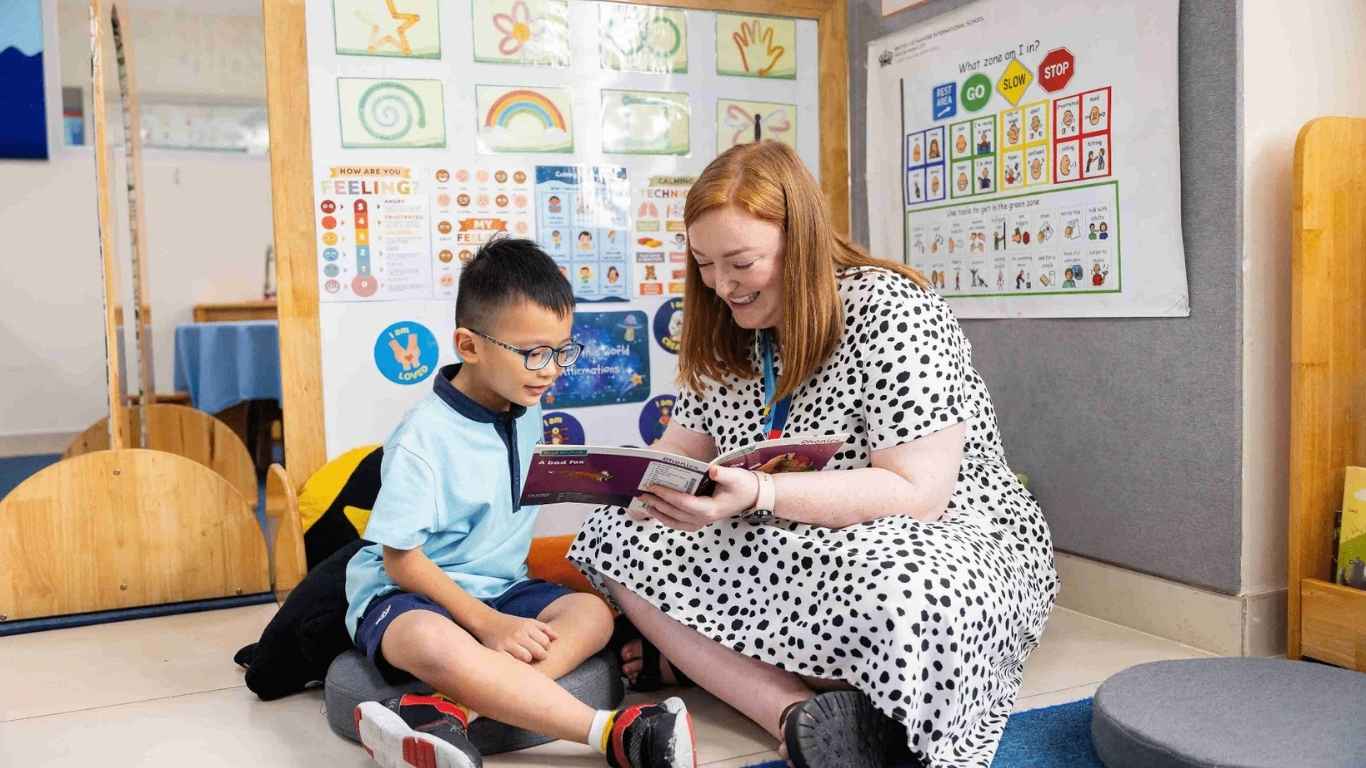
Reading books and encouraging children to retell stories help expand their vocabulary, develop their expressive skills and build confidence in presenting ideas (Source: BVIS HCMC)
>> Read more: How to Develop Reading Habits in Children: 8 Practical Tips
Encourage children to express their opinions
Parents can offer age-appropriate choices that allow children to make their own decisions and explain their reasons. For example, they can ask children which book they would like to read or which activity they prefer to do that day.
The important thing is not that children always give the right answer, but that they have the opportunity to express their thoughts. Parents should listen, ask additional open-ended questions and respect their children’s reasonable opinions to help them gradually develop the ability to express and defend their views.
Participate in group activities
Group activities provide an environment for children to practise communication in real-life situations. When working with friends to complete a painting, build a model or participate in group games, children need to discuss ideas, listen, share responsibilities and cooperate with others.
During these activities, children may also encounter minor disagreements, such as wanting to use the same toy or having different ideas from their friends. These situations provide opportunities for children to learn to take turns, negotiate, share and find solutions through communication.
Engage in outdoor activities
Outdoor environments offer many natural opportunities for children to observe and interact with others. Activities such as playing in the park, exploring nature, going on excursions or playing with friends can all encourage children to ask questions, describe what they see and communicate with those around them.
Parents can encourage conversations by asking open-ended questions such as, “What can you see?”, “What do you think will happen next?” or “What would you do if you were in that situation?” This approach not only makes exploration more engaging but also encourages children to use language proactively.
>> Read more: Five Benefits of Residential Trips and Field Trip for BVIS HCMC Students
Play games that develop communication skills
Games are well suited to the natural learning styles of young children. Role-playing games, such as playing shopkeeper, doctor, family or teacher, help children practise familiar communication situations from everyday life.
In addition, parents can introduce storytelling games, guessing games, picture description activities or role-play based on different scenarios. Through play, children can practise asking questions, listening, responding, using body language and expressing their emotions naturally.

Through role-playing and interactive games, children develop their ability to listen, respond and express their emotions naturally (Source: BVIS HCMC)
How BVIS HCMC helps students develop communication skills
At BVIS HCMC, communication skills are integrated into a wide range of learning and experiential activities, from the multicultural environment to projects, group activities and extracurricular programmes. Through these experiences, students can develop their ability to express themselves, listen and interact with others in a variety of contexts.
An international environment
The learning environment at BVIS combines Vietnamese and international teachers, giving students opportunities to encounter different perspectives and communication styles. The school aims to create a safe and engaging learning environment where students feel happy, open and encouraged to develop their potential.
In particular, language and cultural activities at BVIS help students use English and Vietnamese in familiar experiences such as storytelling, reading and expressive activities. Through these experiences, language becomes a means for children to connect, share and gain a deeper understanding of different cultures.
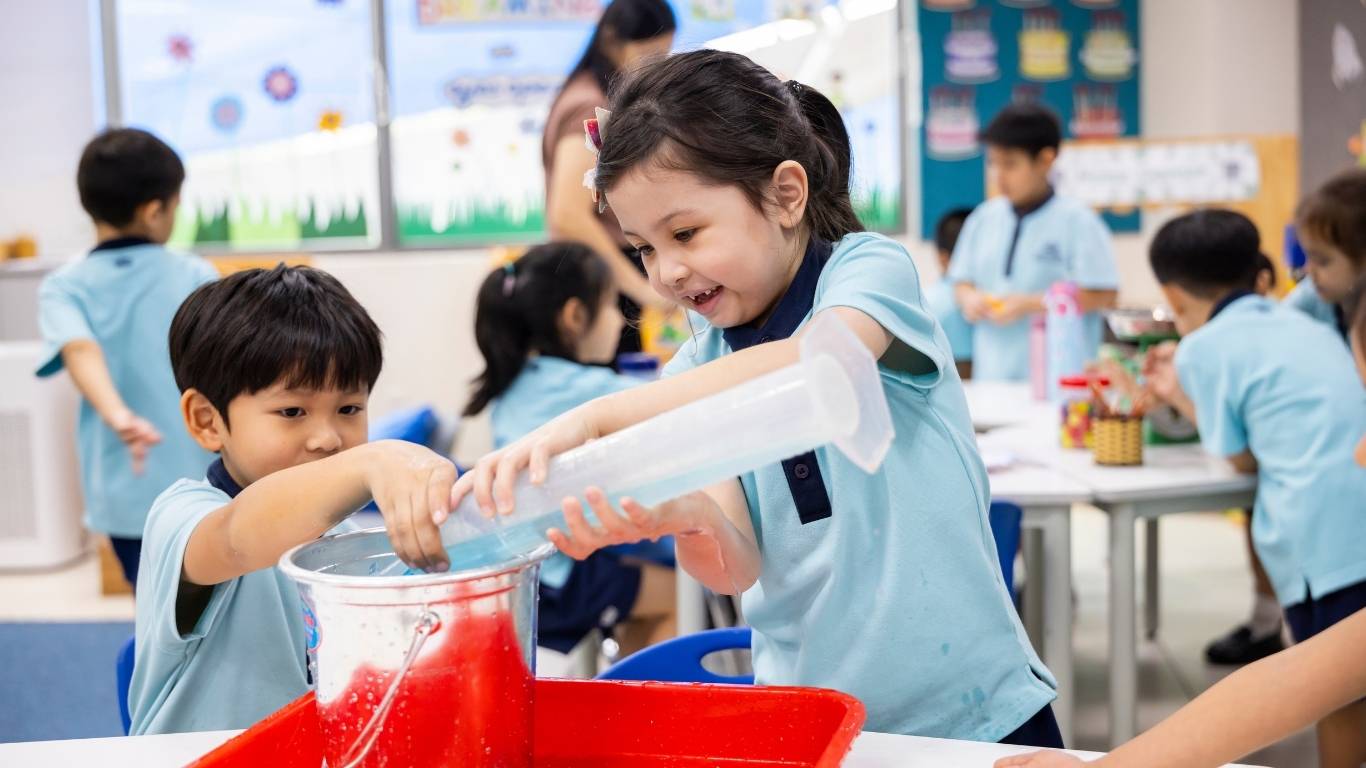
A multicultural environment helps children broaden their perspectives, communicate confidently and connect with others in both Vietnamese and English (Source: BVIS HCMC)
>> Read more: 7 benefits of studying at an international school
Project-based learning and teamwork
Through interactive learning and experiential activities, students have opportunities to exchange ideas with their peers, divide tasks and work together towards a shared goal. These experiences allow children to practise listening, sharing their perspectives and solving problems while working with others.
Beyond classroom activities, BVIS also offers a diverse range of extracurricular programmes, spanning art, music, sport, STEAM and languages. These activities help students develop their collaboration, problem-solving and communication skills across a variety of contexts.
Opportunities to present and express opinions
By taking part in creative activities, performances and hands-on experiences, students have more opportunities to present their ideas, showcase their abilities and share their perspectives. These experiences gradually help children become more confident when communicating in front of others, while learning to express themselves and interact naturally.
Projects and performances at BVIS also allow students to take on a variety of roles, from storytelling and design to communications and character portrayal. Through these experiences, children have opportunities to develop their expressive skills, empathy and confidence in expressing themselves.
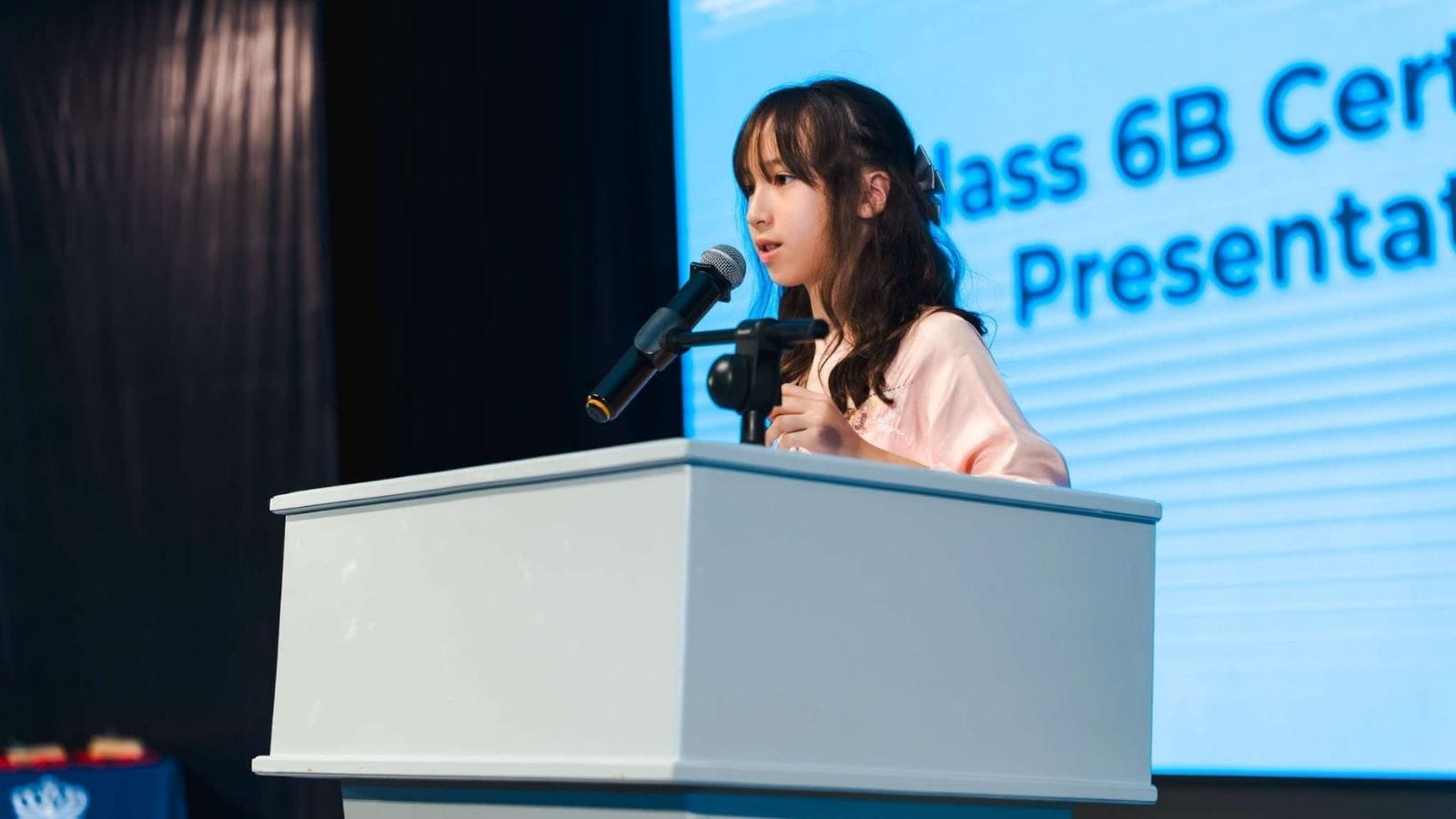
Each opportunity to present ideas and share perspectives in front of an audience helps children grow in confidence and express themselves more boldly (Source: BVIS HCMC)
Extracurricular activities and student leadership
Extracurricular activities at BVIS extend learning beyond the classroom, offering a wide range of clubs and experiences in areas such as art, sport, STEAM and languages. These provide opportunities for students to develop social skills, collaborate with others and gradually build their leadership abilities.
Through community activities, students also have opportunities to plan, organise and carry out age-appropriate initiatives. These experiences not only encourage a sense of responsibility but also allow children to practise communication, teamwork and leadership in real-life situations.
>> Discover: The Nord Anglia Education STEAM Festival
Frequently asked questions about communication skills (FAQ)
What are the signs that a child lacks communication skills?
Children may be reluctant to initiate conversations, struggle to express their needs or emotions, feel uncomfortable interacting with others or find it difficult to participate in group activities. However, every child develops at a different pace, so parents should consider the overall picture rather than relying on a single sign.
>> Read more: What Is Personalised Learning? Benefits of a Personalised Approach to Education
At what age should children start developing communication skills?
Parents can begin helping children develop communication skills from the earliest years through simple activities such as talking, reading books, playing together and encouraging children to express their needs. As children grow older, parents can introduce more group activities, storytelling, role-play and hands-on experiences.
How can parents help children communicate with greater confidence?
Create a safe communication environment where children feel listened to and comfortable expressing their thoughts without fear of judgement. Parents can talk with their children regularly, ask open-ended questions, encourage them to participate in activities with friends and acknowledge their efforts to communicate.
>> Discover: How to build confidence: creating an environment that nurtures and inspires
Communication skills develop through everyday experiences and play an important role in how children learn, build relationships and express themselves. When encouraged to listen, share and interact with others from an early age, children gradually develop confidence and the ability to connect with people in a variety of environments.
At BVIS HCMC, developing communication skills is an integral part of supporting students’ all-round development. The school provides opportunities for students to express themselves proactively, discover their strengths and build confidence throughout their learning journey and as they grow. If you would like to learn more about how BVIS HCMC supports students in developing these skills, please contact the school for further information.
For further information, please contact:
- Campus address: 44–46 Street No. 1, Binh Hung Residential Area, Binh Chanh District, Ho Chi Minh City.
- Opening hours: Monday - Friday (8:00 AM – 5:00 PM)
- Hotline:
- Primary: +84 (28) 3758 0709 ext. 111
- Secondary: +84 (28) 3758 0717 ext. 211
- Email: admissions@bvisvietnam.com
Discover more about BVIS:
Facebook |
Instagram |
Tiktok |
Linkedin |
YouTube