


15 October, 2026
What Is Personalised Learning? Benefits of a Personalised Approach to Education

Every student has unique strengths, interests and learning styles and develops at a different pace. In today's educational landscape, a one-size-fits-all approach is no longer sufficient. Instead, personalised learning is becoming an increasingly important educational approach, helping students unlock their full potential and achieve meaningful academic success. But what exactly is personalised learning and how can it benefit your child? Let's explore this approach with British Vietnamese International School Ho Chi Minh City.
TABLE OF CONTENTS
1. What Is Personalised Learning?
Personalised learning is an educational approach that tailors learning experiences, pace, content and support to each student's individual strengths, interests, needs and goals, rather than applying the same learning pathway to every learner.
The aim of personalised learning is to help students build on their strengths, develop areas for improvement and achieve their individual learning goals. At the same time, it encourages students to take ownership of their learning, develop independent thinking and cultivate a lifelong love of learning.
Within this approach, teachers are more than knowledge providers. They act as mentors, guides and facilitators who design meaningful learning experiences. By understanding each student's needs and progress, teachers provide the right support at the right time, helping students explore new ideas and develop confidence in their own abilities.
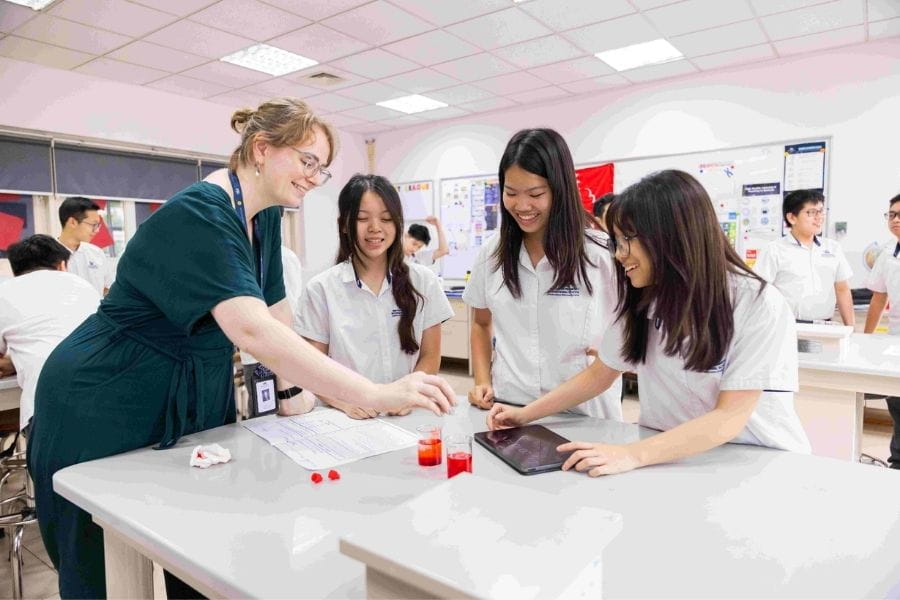
Teachers guide and support students during a science experiment, encouraging them to explore and learn according to their individual strengths and abilities (Source: BVIS Ho Chi Minh City).
>> Read more: Top 6 International School Curriculum and How to Choose the Right One for Your Child
2. Key Characteristics of Personalised Learning
Personalised learning is built around three key principles.
2.1 Learner-Centred Approach
At the heart of personalised learning is a learner-centred philosophy. Students' interests, strengths, needs and goals inform the design of learning experiences and classroom activities. Rather than simply receiving information, students are encouraged to ask questions, collaborate with others, participate in projects and demonstrate their understanding in a variety of ways.
2.2 Competency-Based Development
Personalised learning focuses on each student's actual level of understanding and skill development, rather than relying solely on age or year-group expectations. Teachers use ongoing assessment and observation to identify what students have mastered, what requires further support and the most appropriate level of challenge for each learner.
2.3 Flexible Learning Pace
Every student learns at a different pace. Personalised learning allows teachers to adjust learning activities, practice opportunities and support according to individual progress.Students can spend additional time developing areas they find challenging or move on to more advanced tasks once they have mastered key concepts. However, flexibility does not mean students learn without guidance. Teachers continue to monitor progress and ensure that learners meet curriculum expectations while progressing at a pace that suits them.
>> Discover more: How academic progress is monitored and supported over time
3. Benefits of Personalised Learning
Beyond improving academic outcomes, personalised learning offers a range of benefits that support children's overall development:
- Unlocking Individual Potential: By providing learning opportunities that match each student's strengths and abilities, personalised learning enables children to build on their talents, overcome challenges and achieve their personal goals.
- Improving Learning Outcomes: Students have the time and support they need to develop strong foundations before moving on to more complex concepts, leading to deeper understanding and stronger academic progress.
- Increasing Motivation and Engagement: When learning connects with students' interests and aspirations, they are more likely to stay engaged, curious and motivated to learn.
- Developing Independence and Critical Thinking: As students contribute to goal setting, learning decisions and self-reflection, they gradually develop skills such as time management, problem-solving, decision-making and independent learning.
- Building Confidence and Wellbeing: Recognition of individual progress helps students develop confidence in their own abilities, reducing comparisons with others and encouraging a positive attitude towards learning and personal growth.
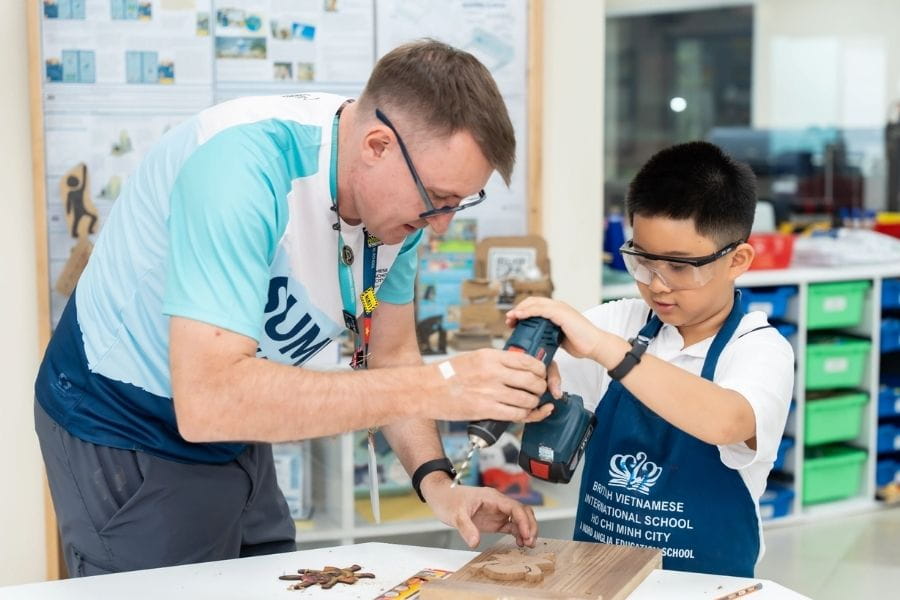
Students receive support tailored to their abilities and learning pace during practical design and technology lessons (Source: BVIS Ho Chi Minh City).
>> Explore more: 7 benefits of studying at an international school
4. Personalised Learning vs Traditional Learning
4.1 Similarities
Both personalised learning and traditional learning aim to develop knowledge, skills and understanding while helping students meet curriculum expectations. Both approaches rely on effective teaching, clear learning objectives and assessment to evaluate progress. Students also engage in practical activities, discussions and opportunities to apply their knowledge.
4.2 Differences
The primary differences lie in flexibility, learning design and the role students play in the learning process.
| Criteria | Personalised Learning | Traditional Learning |
| Focus | Individual needs, strengths and goals | Whole-class objectives and curriculum pace |
| Learning Content | Adapted or extended according to student needs | Standardised across the class |
| Learning Pace | Flexible according to progress | Standardised pace across the class |
| Teacher's Role | Guide, mentor and facilitator | Instructor and content provider |
| Student's Role | Active participation in learning decisions | Teacher-directed learning |
| Assessment | Ongoing assessment, progress monitoring and achievement | Mainly based on tests and examination results |
| Learning Resources | Adapted to student needs and ability levels | Standardised across all learners |
>> Learn more: How to recognise strong teaching quality in international schools in Vietnam
5. The Growing Role of Personalised Learning in Modern Education
5.1 Technology and Artificial Intelligence (AI)
Technology and artificial intelligence are creating new opportunities to deliver personalised learning more effectively. Through digital learning platforms, teachers can track student progress, monitor performance and identify areas where support may be needed.
Some AI-powered tools can recommend activities at the appropriate level, adjust task difficulty automatically and provide instant feedback based on student performance. For example, students who find particular areas of mathematics challenging may receive targeted practice activities, while those who demonstrate strong understanding can access more advanced challenges.However, technology remains a tool to support learning. Teachers continue to play a vital role in evaluating content, safeguarding student wellbeing and ensuring meaningful human interaction remains at the centre of the learning experience.
5.2 Tailored Learning Pathways
Personalised learning is about far more than simply allowing students to choose subjects. It is about ensuring that every learner receives the support, challenge and opportunities most appropriate to their stage of development.
Within the classroom, teachers may adapt learning activities, teaching approaches, challenge levels and assessment methods to meet individual needs. Students requiring additional support receive timely guidance, while those ready for greater challenge are encouraged to extend their learning further.
As students progress through Secondary, personalisation also includes guidance on subject choices, extracurricular opportunities and future educational pathways that align with their strengths, interests and aspirations.Through this approach, every student has the opportunity to reach their full potential, rather than following exactly the same path as every other learner.
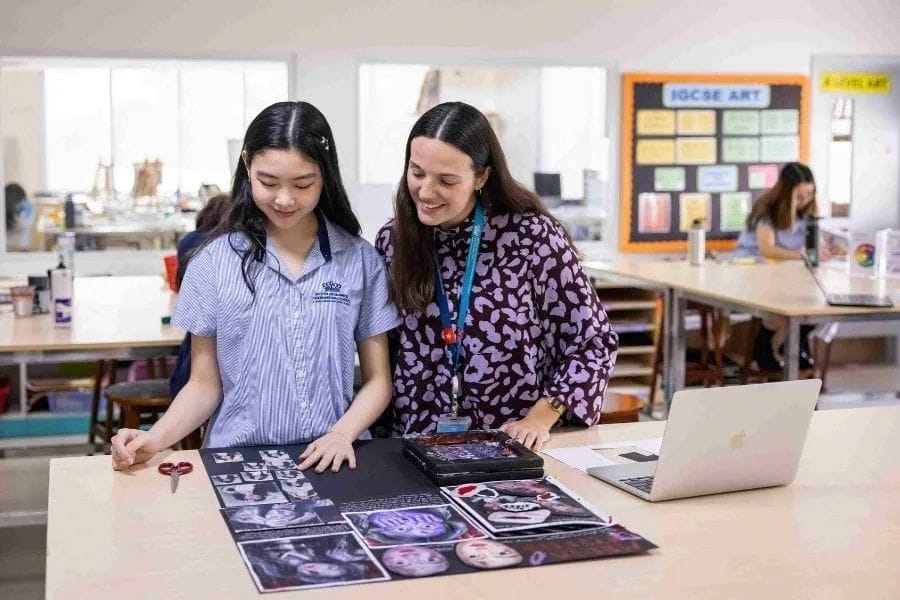
Teachers monitor students' progress and adapt their teaching approaches to meet individual learning needs and abilities (Source: BVIS Ho Chi Minh City).
5.3 Building Detailed Learner Profiles
Learner profiles help teachers develop a comprehensive understanding of each student's strengths, interests, habits and academic progress.
Rather than focusing solely on examination results, learner profiles may include assessment outcomes, project work, teacher feedback, individual goals and evidence of skill development. These insights help teachers provide targeted support while fostering meaningful partnerships between school and home.
Regularly updated learner profiles also allow schools to monitor long-term development rather than relying on isolated assessments or examinations alone.
Through this approach, every student has the opportunity to reach their full potential, rather than following exactly the same path as every other learner.
6. How Is Personalised Learning Delivered at BVIS Ho Chi Minh City?
At BVIS Ho Chi Minh City, personalised learning goes beyond adapting lesson content. It is about understanding each student's strengths, interests and learning needs so that they can flourish academically, personally and socially.
As a member of Nord Anglia Education, BVIS delivers a British curriculum pathway from Early Years Foundation Stage (EYFS) through Primary, Secondary, IGCSE and A Level. Combined with flexible teaching approaches, comprehensive pastoral care, enriching learning experiences and international opportunities, this educational journey supports every student in developing according to their own strengths and aspirations.
6.1 Every Student Learns Differently
At BVIS Ho Chi Minh City, personalised learning begins with understanding each student's abilities, interests and pace of learning. Teachers regularly monitor students' progress and adjust learning activities, levels of challenge and support strategies accordingly.Students who require additional support receive timely guidance, while those who are ready for further challenge are encouraged to deepen their understanding and develop higher-order thinking skills.
As students progress through the school, they are also supported in selecting subjects and educational pathways that align with their strengths, interests and future aspirations. In addition, project-based learning, inquiry-led activities and a variety of assessment methods provide students with multiple opportunities to demonstrate their understanding, rather than relying solely on examination results.
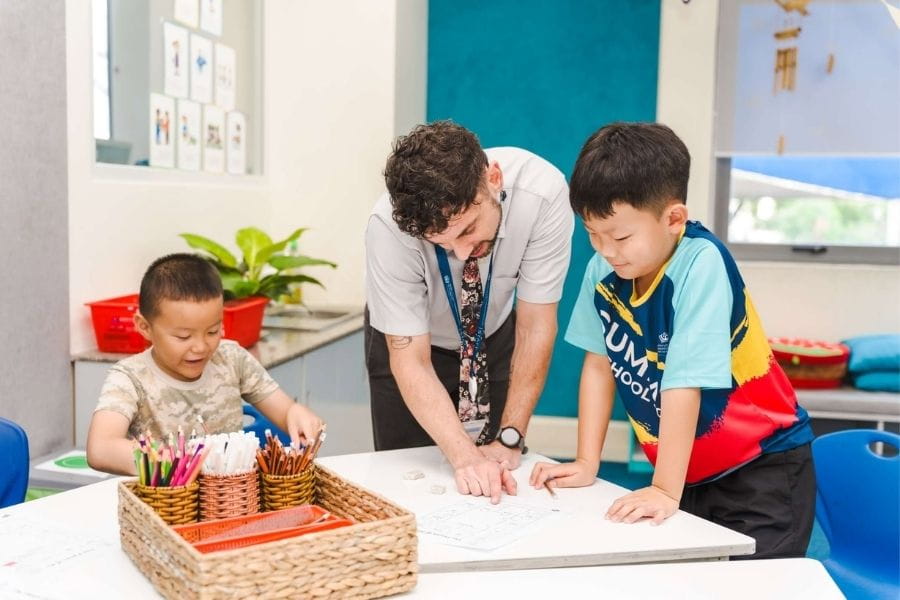
BVIS students learn according to their individual strengths, interests and aspirations through diverse learning experiences and flexible educational pathways (Source: BVIS Ho Chi Minh City)
6.2 Every Student Is Understood and Supported
At BVIS Ho Chi Minh City, academic success goes hand in hand with emotional wellbeing and personal development. The school fosters a positive learning environment where students feel heard, respected and supported at every stage of their educational journey.
Through wellbeing initiatives, a comprehensive pastoral care system and strong relationships between teachers and students, learners are encouraged to develop confidence, resilience and a positive attitude towards learning. BVIS is also committed to creating an inclusive learning environment where every student has the opportunity to thrive and feel a genuine sense of belonging within the school community.
6.3 Every Student Has the Opportunity to Go Further
At BVIS HCMC, learning extends far beyond the classroom. Students are encouraged to explore their interests, develop their talents and build future-ready skills through extracurricular activities, real-world experiences and international learning opportunities.
Through Nord Anglia Education's Global Campus, as well as collaborations with MIT, The Juilliard School and IMG Academy, students gain access to enriching experiences across science, the arts and sport. Leadership opportunities, community initiatives and experiential learning programmes further broaden their perspectives, strengthen their confidence and empower them to make a positive impact on the world around them.
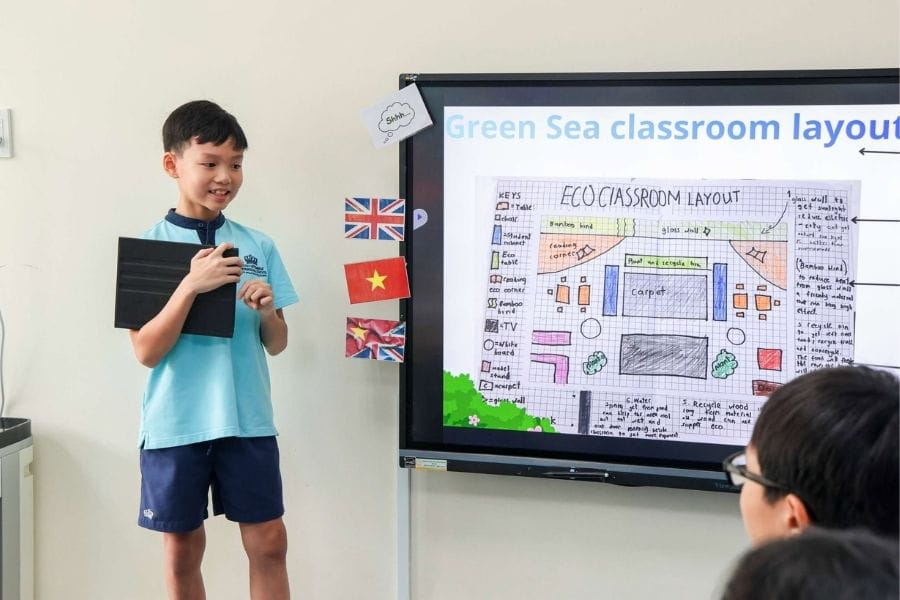
BVIS students are encouraged to discover their potential through a wide range of opportunities, from public speaking to developing strong communication skills (Source: BVIS Ho Chi Minh City).
>> Discover more:
Personalised learning is far more than simply adapting lesson content for individual students. It is an educational approach that enables every learner to progress according to their abilities, receive the support they need and develop their unique strengths. At BVIS HCMC, this approach is brought to life through a flexible curriculum, dedicated teacher support and a wide range of enriching learning experiences, helping students grow into confident, well-rounded individuals who are prepared for future success.
For further information, please contact us:
Related news
News image ![What Is Personalised Learning? Key Benefits for Student Success - personalised learning la gi]() Blog | Educational Insights
Blog | Educational Insights
Blog | Educational Insights What Is Personalised Learning? Benefits of a Personalised Approach to Education
Personalised learning is an educational approach that customizes customises instruction, pace, and learning materials to fit each student's unique strengths, needs, and interests. Discover the benefits and how to apply effectively.
News image ![Top 8 International Kindergartens in District 7 Chosen by Parents - truong mam non quoc te quan 7]() Blog | Educational Insights
Blog | Educational Insights
 Blog | Educational Insights
 Top 8 International Kindergartens in District 7 Trusted by Families
Discover the top 8 International Kindergartens in District 7 for the 2026–2027 academic year, including British Vietnamese International School (BVIS HCMC), Kindy City, Mini Minds Preschool, Kid’s Club and more.


