


We use cookies to improve your online experiences. To learn more and choose your cookies options, please refer to our cookie policy.
29 April, 2026
How teachers help students build strong academic habits
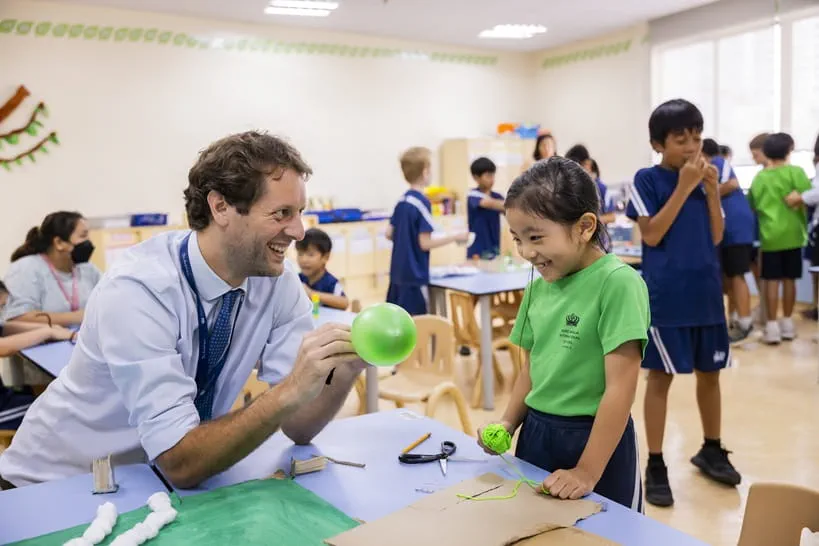
Strong academic results rarely come from talent alone. They grow from the habits students build over time, organising their work, tackling challenges, reflecting on their progress and managing their responsibilities.
For parents exploring international schools in the Philippines, understanding how these habits are developed is an important indicator of real learning quality. A strong school does not simply deliver lessons. It helps students develop the learning skills, study habits, and self-discipline that allow them to succeed independently.
At Nord Anglia International School Manila (NAIS Manila), teachers place significant emphasis on building these academic habits from the early years, helping students become confident, reflective, and self-regulated learners.
Developing habits that support academic success
In primary school, the foundations of academic success are closely linked to the learning behaviours students develop. These include persistence, curiosity, organisation, and the ability to think carefully about their own learning.
Ms. Sara Berenguer, Head of Primary, explains that these habits are intentionally developed alongside academic content.
“As students progress through school, strong learning habits play a vital role in helping them achieve academic success. We encourage students to develop independence, resilience and curiosity by becoming reflective learners who think carefully about how they learn, not just what they learn.”
To support this, teachers introduce thinking routines that help students organise ideas, make connections between concepts, and explain their reasoning clearly. These routines strengthen learning skills while encouraging deeper understanding across subjects.
At the same time, students are encouraged to develop key learning dispositions such as curiosity, collaboration, creativity, compassion, critical thinking, and commitment. Together, these habits help students approach learning with motivation and confidence.
Building organisation and responsibility
Academic habits also develop through clear routines and expectations within the classroom.
Teachers at NAIS Manila introduce these structures from an early stage so students gradually learn how to organise their work and take responsibility for their learning.
“Teachers actively support students in developing organisation and responsibility by establishing clear routines, high expectations and consistent learning structures. Children are guided to manage their time, take care of their resources and present their work with pride,” explains Sara.
Through modelling and regular reminders, teachers show students how to record homework, meet deadlines, and organise their learning materials effectively. As students grow older, they are gradually given more responsibility for managing their own work.
This gradual progression helps students develop the discipline and time management skills needed for future.
Encouraging reflection and self-regulated learning
One of the most powerful ways students improve their learning is through reflection.
Teachers encourage students to regularly think about their learning so they can better understand their progress and how to improve. This process helps students develop self-regulated learning skills and a clearer awareness of how they learn best.
Sara explains how reflection is built into classroom practice:
“Teachers encourage students to reflect on their learning through regular feedback, self-assessment opportunities and structured classroom discussions. Children are guided to think about what they have done well, what they found challenging and what they could do differently next time.”
This process is further supported through the research, record, reflect cycle used within the International Primary Curriculum (IPC). Students investigate new ideas, record their learning, and then reflect on their understanding and progress.
By repeatedly engaging in this cycle, students become more confident evaluating their own work and identifying ways to improve.
Preparing students for independent learning
As students develop stronger learning habits, they also become increasingly independent learners.
Through consistent routines, reflective thinking, and structured support from teachers, students learn how to manage their learning more effectively.
“By developing these reflective habits, alongside the use of thinking routines and clear success criteria, students become more independent learners who are able to take increasing ownership of their progress,” notes Sara.
These habits form an essential part of real academic preparation. They allow students not only to succeed in the classroom, but also to approach new learning challenges with confidence.
Parents who would like to learn more about how NAIS Manila supports the development of strong learning habits are always welcome to speak with the academic leadership team and explore how these skills are nurtured throughout the primary years.
Related news
News image ![Your Space to Thrive. Your Space to Belong. - Your Space to Thrive Your Space to Belong]() News | School Updates | Secondary
News | School Updates | Secondary
 News | School Updates | Secondary
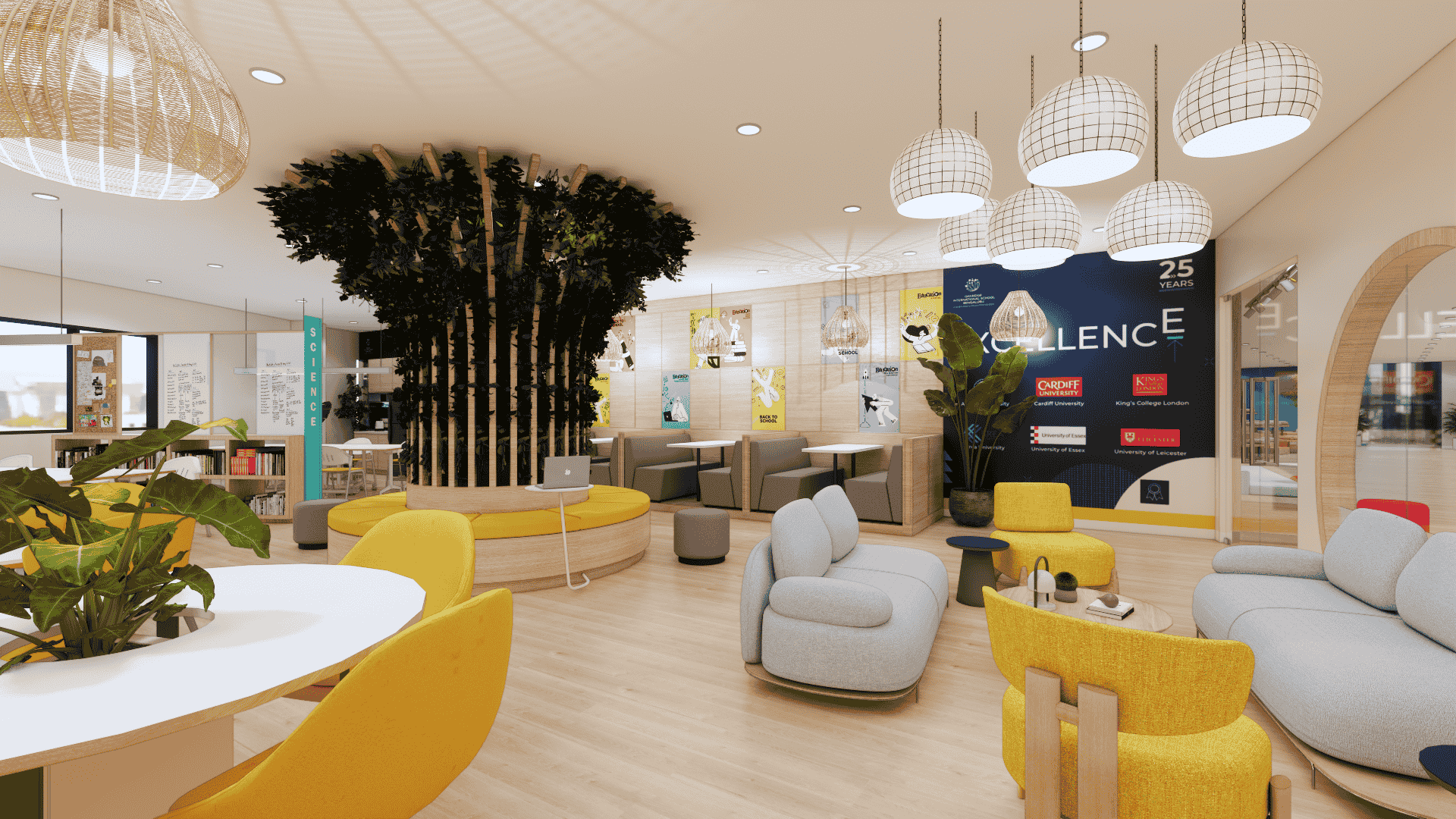
 Your Space to Thrive. Your Space to Belong.
Nord Anglia International School Manila is creating a dedicated home for its Secondary students, designed around how they think, learn and grow.
News image ![The Moment She Will Always Cherish - Are You Proud of Me - Manasi and Gia]() Blog | Nord Anglia Education | studentsuccess
Blog | Nord Anglia Education | studentsuccess
 Blog | Nord Anglia Education | studentsuccess
 The Moment She Will Always Cherish
A parent’s story reflects the transformative power of education. Discover how NAIS Manila empowers children to grow into creative thinkers, curious learners, and confident individuals.


