


We use cookies to improve your online experiences. To learn more and choose your cookies options, please refer to our cookie policy.
29 April, 2026
How strong academic foundations are built in primary school
The early years of schooling shape how children think, learn, and approach new challenges. For many parents exploring primary schools in Manila, an important question sits beneath school visits and curriculum descriptions: how do schools ensure children develop genuinely strong academic foundations?
In a high-quality primary school, strong foundations are built through a carefully structured curriculum, consistent learning habits, and teaching that responds to each child’s progress. At Nord Anglia International School Manila (NAIS Manila), these elements work together to support children’s cognitive development and establish the core skills that underpin future learning.
A clear curriculum that builds knowledge step by step
One of the most important factors in primary school education is how learning is sequenced. When knowledge and skills build logically over time, children develop confidence and a deeper understanding of what they are learning.
At NAIS Manila, the primary school curriculum follows the English National Curriculum, providing a clear structure for how reading, writing, and mathematics develop across the early years.
Sara Berenguer, Head of Primary, explains how this framework supports strong academic foundations.
“The English National Curriculum provides a clear and progressive framework that ensures children develop strong core skills in reading, writing and mathematics. Learning is carefully sequenced so that knowledge and skills are built step-by-step, helping children develop confidence and independence.”
Within this structure, teachers focus on developing deep understanding rather than simply moving quickly through topics. In mathematics, for example, students work towards fluency and problem solving so they can apply their knowledge confidently. In reading and writing, the focus is on building strong literacy skills that allow children to communicate clearly and engage with increasingly complex texts.
Building strong literacy and numeracy from the start
Primary learning focuses heavily on developing core academic skills that support learning across every subject.
Reading plays a particularly important role. Through structured phonics teaching and access to a wide range of books and stories, children develop the skills needed to read fluently and understand what they are reading.
“In reading, children develop strong phonics, fluency and comprehension skills through exposure to high-quality texts. In writing, they learn to communicate clearly through a structured approach that develops grammar, vocabulary and creativity,” explains Sara
Mathematics is approached in a similar way, with a focus on building conceptual understanding alongside practical application.
“In mathematics, the focus is on deep understanding, fluency and problem-solving so that children can apply their knowledge with confidence.”
Focusing on these foundational skills first helps children access the wider curriculum and build the skills they will rely on throughout their schooling.
Developing habits that support confident learning
Strong academic foundations are not built through curriculum alone. They also develop through the daily learning habits children form over time.
At NAIS Manila, teachers encourage routines and behaviours that support independence, resilience, and curiosity. These habits help students approach learning with confidence and persistence.
Sara Berenguer explains how these habits contribute to children’s development:
“Confident learners develop through consistent habits that encourage independence, resilience and curiosity. Children benefit from practising regularly, asking questions, and developing the confidence to try challenging tasks without fear of making mistakes.”
Practical routines such as regular reading, strengthening number skills, completing home learning, and staying organised all contribute to steady academic progress. Over time, these habits help children become motivated learners who take increasing ownership of their learning.
Teaching that adapts to each child’s progress
Every child develops at their own pace, which means effective primary education must respond to individual needs.
“Teachers use ongoing assessment to understand each child’s strengths and next steps, allowing learning to be carefully adapted to meet individual needs. Through targeted support, scaffolding and regular feedback, teachers help students build confidence and make strong progress,” explains Ms. Sara Berenguer.
For students who need additional support, teachers may provide adapted tasks, small group teaching, or personalised strategies that help them access the curriculum. For students who are ready for greater challenge, teachers introduce deeper problem-solving and more complex applications of learning.
This balanced approach ensures that every child continues to develop academically while building confidence in their abilities.
Foundations that support future learning
Primary school education plays a critical role in shaping long-term academic success. When children develop strong literacy, numeracy, and learning habits early on, they are better prepared to engage with more complex subjects in later years.
Through a structured primary school curriculum, responsive teaching, and the development of positive learning habits, NAIS Manila focuses on building these foundations carefully and consistently.
Parents who would like to learn more about how primary learning develops at NAIS Manila are always welcome to speak with the academic leadership team and explore how strong foundations are built from the earliest years of school.
Related news
News image ![Your Space to Thrive. Your Space to Belong. - Your Space to Thrive Your Space to Belong]() News | School Updates | Secondary
News | School Updates | Secondary
 News | School Updates | Secondary
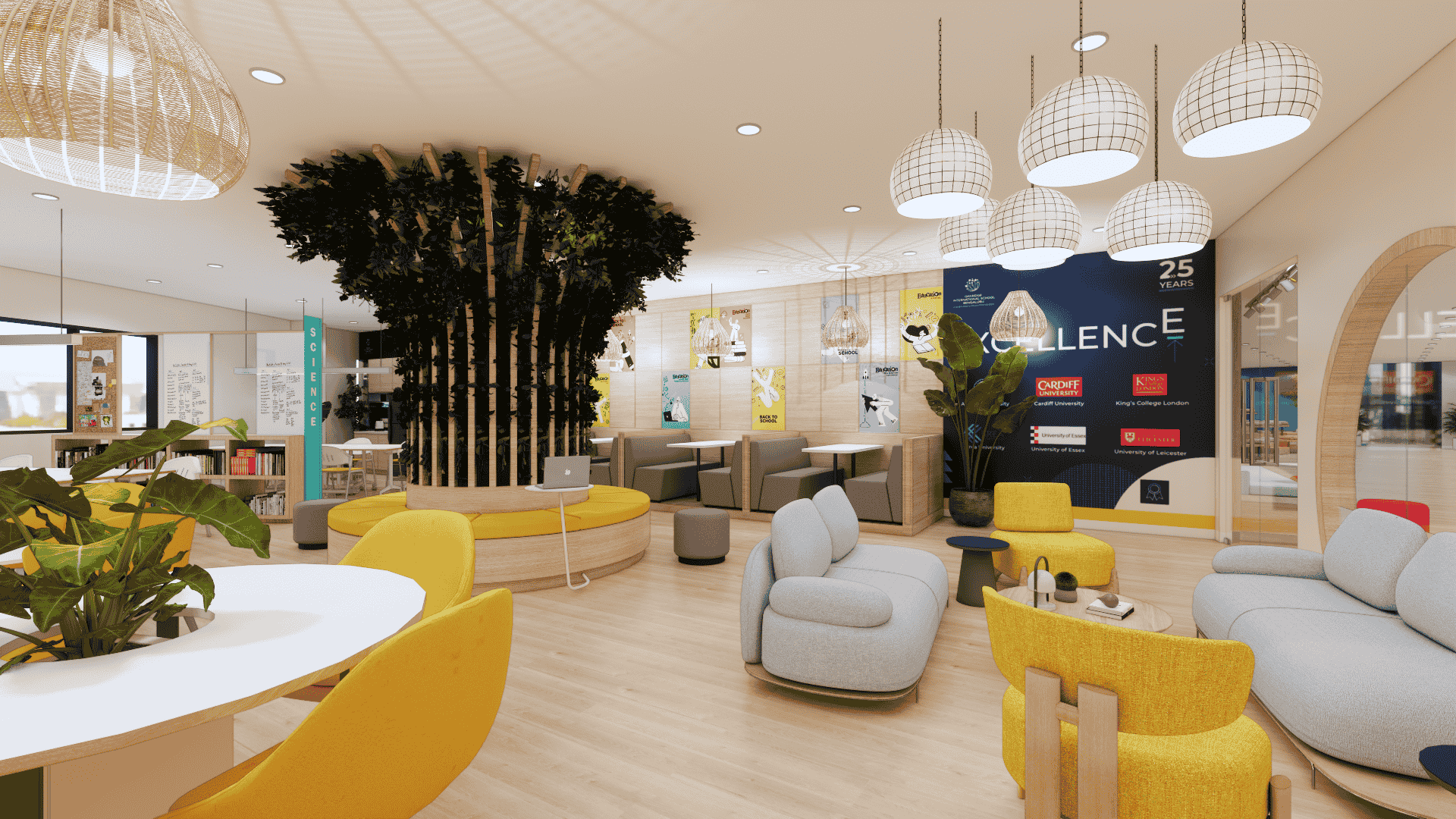
 Your Space to Thrive. Your Space to Belong.
Nord Anglia International School Manila is creating a dedicated home for its Secondary students, designed around how they think, learn and grow.
News image ![The Moment She Will Always Cherish - Are You Proud of Me - Manasi and Gia]() Blog | Nord Anglia Education | studentsuccess
Blog | Nord Anglia Education | studentsuccess
 Blog | Nord Anglia Education | studentsuccess
 The Moment She Will Always Cherish
A parent’s story reflects the transformative power of education. Discover how NAIS Manila empowers children to grow into creative thinkers, curious learners, and confident individuals.


