

When answers are everywhere, can children still think for themselves? Nord Anglia Education is helping our students develop their critical thinking skills and judgement. Skills that AI can't replicate.

12 February, 2026
Teaching the Skills AI Can't Replace
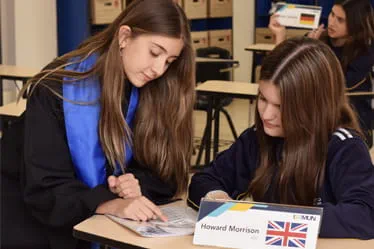
In a world where every answer, summary or translation appears within seconds, parents are wondering about the impact AI has on children's education.
In a world where AI's a click away, we're helping our students develop their critical thinking skills and judgement. Skills that AI can't replicate. Research shows that while AI can support learning, relying on it too early can weaken something essential: the ability to wrestle with uncertainty, to make decisions, and to persist when things don't work the first time.
Over two years, Nord Anglia partnered with Boston College to explore a simple but powerful question:
"What happens when children are explicitly taught how to think, not just what to learn?"
The difference showed up in everyday classroom practice.
Across more than 12,000 Nord Anglia students in 27 schools and 20 countries, teachers embedded simple "thinking routines" into daily learning. These routines encouraged students to pause, reflect, and explain how they were thinking, rather than rushing to an answer.
By the end of the second year of Nord Anglia’s research, the impact was clear.
Students who regularly engaged with thinking routines demonstrated measurable growth in:
Critical thinking (+21%)
Curiosity (+20%)
Collaboration, commitment and compassion (+15–16%)
But, in classrooms where thinking routines were used daily, the results were even stronger:
At least 40% growth across all skills
Approaching 50% growth in curiosity and compassion
Just as importantly, students reported feeling more confident when navigating uncertainty, and that’s a skill no algorithm can replicate.
85% reported increases in knowing what they are good at, 76% reported increased independence, and 72% said their knowledge of how they learn improved.
Students are no longer waiting for an answer; they are making decisions with the ability to pause, reflect, adjust and try again; also known as metacognition.
Read what the the full research shows
Related news
News image ![Metacognition Article Header]() Blog | Academic | Homepage Featured Article | School News
Blog | Academic | Homepage Featured Article | School News
 Blog | Academic | Homepage Featured Article | School News
 Metacognition in Action: How ISR is Shaping Future-Ready Students
During December and January, ISR students, teachers, and parents participated in focus groups to provide feedback on the new Learner Portfolio tool piloted during the November parent conferences.
News image ![Cellphone-Free-Environment - Cellphone-Free Environment]() Blog | Homepage Featured Article | School News
Blog | Homepage Featured Article | School News
.png?h=499&iar=0&w=887&rev=1cf5fbac604a4500b7c3422f5cd9e384&hash=684160B8F5396282FF76327FB9409719) Blog | Homepage Featured Article | School News
Blog | Homepage Featured Article | School News San Roberto International School Implements Cellphone-Free Environment for Enhanced Learning and Well-being
At San Roberto International School, we are dedicated to fostering an environment prioritizing our students' academic success and overall well-being.
News image Blog | School News | Academic
Can Schools Build Better Thinkers? Nord Anglia Thinks So
To thrive in a fast-moving, complex, tech-driven world, young people want more than just knowledge. It’s a message that comes through loud and clear from a new survey of more than 1,500 “Zoomers” who are on the journey from school, through university to the job market.
News image ![How we teach - How we teach]() Blog | Academic | technology
Blog | Academic | technology
 Blog | Academic | technology
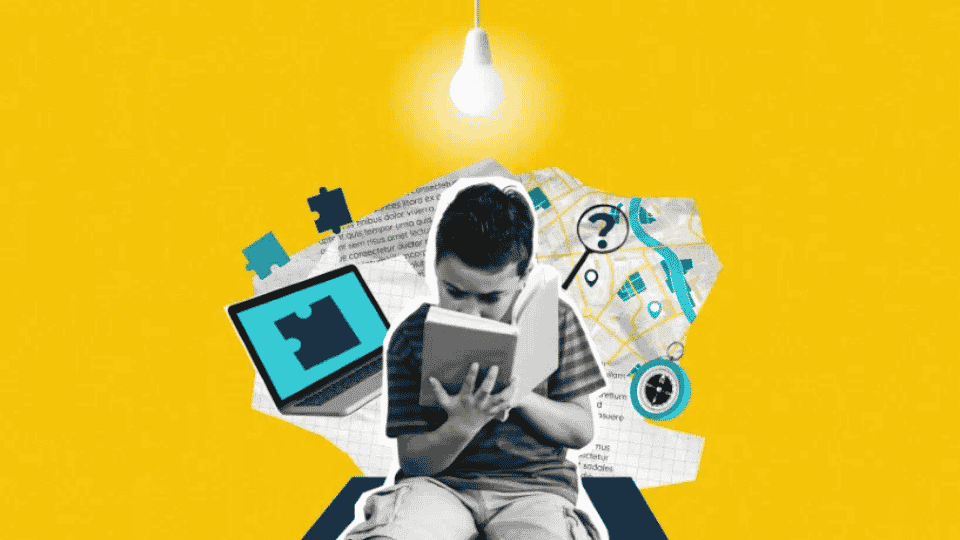
 Teaching the skills AI can’t replace: Can your child tell when AI is wrong?
Many parents assume critical thinking develops naturally as children grow older. But ground-breaking new research suggests something even more encouraging. Critical thinking can be actively taught and strengthened.


