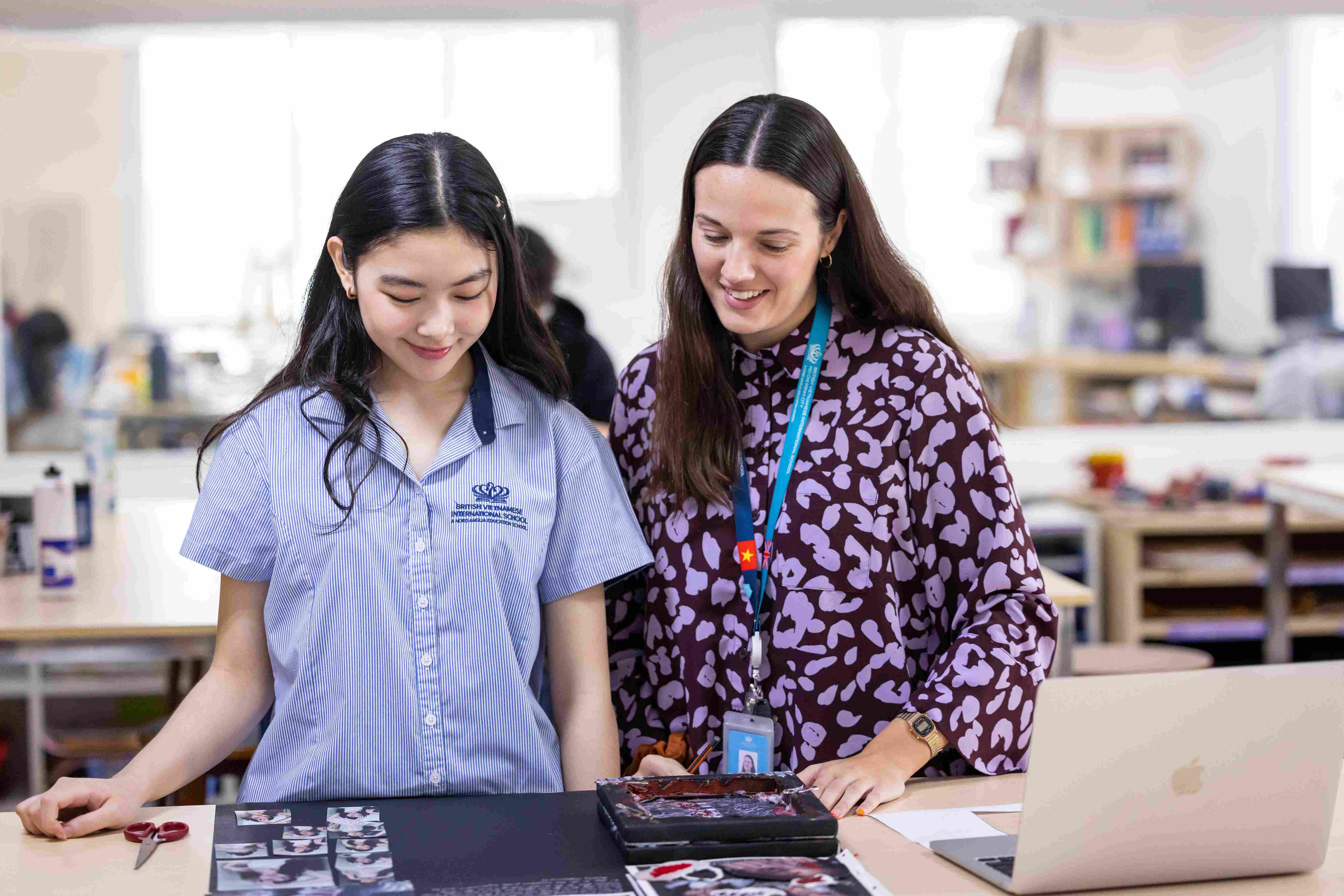
What is Career Guidance?
Career guidance is the process of evaluating personal strengths, interests and characteristics in order to identify suitable career pathways and help students develop meaningful, sustainable goals for the future.
This process usually involves three key elements:
- Understanding oneself: Recognising personal strengths, interests, values and areas that genuinely engage the student.
- Understanding future opportunities: Exploring degree options, careers and emerging employment trends.
- Planning an academic pathway: Selecting suitable subjects, programmes and experiences that support the student’s developing aspirations.
Effective career guidance does not make decisions on a student’s behalf. Instead, it provides the information and experiences students need to make their own choices with confidence.
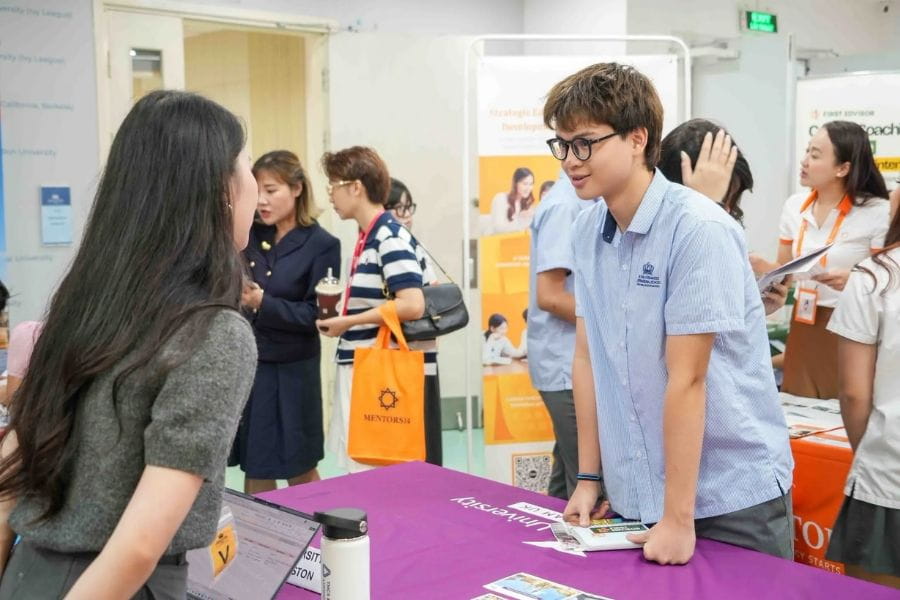
Career guidance helps students understand themselves and gradually identify a suitable academic direction. (Source: BVIS Ho Chi Minh City)
>> Explore: Making decisions about university and future careers: When is the right time?
Why Is Career Guidance Important?
AI and technology are rapidly reshaping the world of work and creating new expectations for knowledge and capability. Early career guidance helps students understand themselves, explore opportunities and prepare proactively for the future.
AI and Technology Are Transforming Careers
Artificial intelligence is changing how people learn and work. Repetitive tasks may increasingly be replaced, supported or automated by technology, while roles that require judgement, creativity, communication and problem-solving continue to depend on human capabilities. Students therefore need more than specialist knowledge for a single occupation. They also need the adaptability to respond to change.
Students May Prepare for Jobs That Do Not Yet Exist
Today’s students may enter a labour market shaped by entirely new fields or roles that have not yet fully emerged. Career guidance should therefore extend beyond a list of occupations that are currently considered popular. More importantly, students need strong academic and skills foundations that allow them to keep learning and adapt as jobs and labour-market expectations evolve.
Skills Increasingly Matter Alongside Specialist Knowledge
Specialist knowledge remains important, but communication, critical thinking, problem-solving, creativity, collaboration and adaptability are becoming equally essential. Career guidance helps students identify the capabilities they need to develop and connect their current learning with future goals.
Career Exploration Should Begin Early
From the early years of Secondary, students can begin exploring their interests, recognising their strengths, experiencing a range of fields and learning about suitable academic programmes. This gradual process helps them make better-informed decisions when they later face important choices about education and careers.
>> Learn more: How British education supports flexible career pathways
5 Steps to Effective Career Planning for Students
The following five steps can help students develop a suitable direction and take a more active role in their choices:
Understanding Personal Strengths and Abilities
Every student has a distinctive combination of abilities, talents and strengths. Identifying these early helps students understand which fields may suit them and focus on developing their strongest potential rather than concentrating only on areas for improvement.
Exploring Interests and Passions
Interests and passions can provide a valuable starting point for exploring suitable career fields. When students investigate and pursue activities they genuinely enjoy, they are more motivated to learn and gain a clearer understanding of the work or disciplines they may wish to develop in the future.
Gaining Diverse Experiences
A broad range of experiences exposes students to different fields, environments and approaches to learning. Through academic projects, extracurricular activities, clubs, community initiatives and practical experiences, students can discover new abilities and test how closely particular fields align with their interests.
Understanding Future Career Trends
Awareness of developments in technology, the green economy and emerging professions gives students a broader perspective when considering their future. This helps them identify fields with long-term potential and prepare the relevant knowledge and skills.
Developing 21st-Century Skills
To remain capable and relevant in an AI-enabled world, students need to develop core skills, including:
- Critical thinking: Analysing information from different perspectives and forming independent judgements.
- Creative thinking: Generating new solutions and connecting original ideas.
- Communication skills: Expressing ideas effectively and building positive relationships.
- Collaboration skills: Working effectively with others in multicultural environments.
- Adaptability skills: Responding flexibly to changing circumstances.
- Problem-solving skills: Addressing complex real-world challenges.
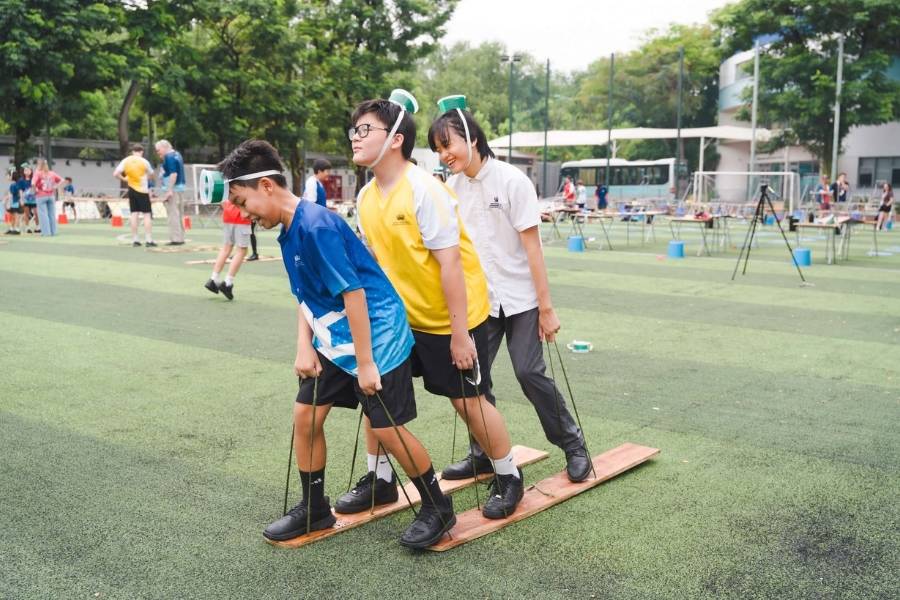
Students develop collaboration and adaptability through experiential learning activities (Source: BVIS HCMC)
>> Explore more life skills:
- Top 5 Essential Life Skills for Children to Build Confidence and Independence
- Soft Skills: 8 Essential Soft Skills and Their Importance for Students
A range of methods and tools can help students explore their interests, abilities, strengths and possible career directions. Alongside personality questionnaires, specialist platforms can support course research, subject selection and future planning. Examples include:
The Morrisby Profile
Morrisby is an internationally recognised aptitude-assessment and career-guidance system developed in the United Kingdom in 1967. It is widely used in schools, particularly international and British schools, to help students aged 15 and above explore their potential and identify suitable subjects and careers.
Unlike conventional personality questionnaires such as MBTI or Holland assessments, which rely mainly on self-reported answers, Morrisby combines measures of natural reasoning ability with surveys of interests and personality.
The Unifrog Platform
Unifrog is a comprehensive careers and university-admissions platform, described as a Universal Destinations Platform, designed to support students aged 4 to 18. It helps students explore interests, consider academic pathways, research university or vocational opportunities and prepare applications. The platform also connects students, parents, teachers and school advisers with universities and employers around the world.
>> Read more:
The Roles of Families and Schools in Student Career Guidance
Career guidance helps students understand their abilities, interests and personal goals so they can choose a suitable direction. Schools provide knowledge, experiences and professional guidance, while families listen, encourage and support students as they make decisions. This partnership should evolve according to each stage of a student’s development.
- Early Secondary, ages 11–14: The school creates opportunities for students to explore their strengths and interests through subjects, clubs, extracurricular activities and practical projects. Families can encourage broad exploration, listen to developing interests and discuss progress with teachers. The aim at this stage is to broaden understanding rather than require a specific career choice.
- Later Secondary, ages 15–18: The school helps students research degree options, university admission requirements and career opportunities, enabling them to select subjects and plan post-graduation pathways. Families support consideration of practical factors while respecting the student’s interests and aspirations.
Principles for family-school partnership: Families and the school should communicate regularly and share information about academic progress, abilities and interests. The school contributes professional assessment, while families provide insight into personality and changes over time. This partnership gives students a sound basis for decision-making while preserving independence and responsibility for their future.
Common Mistakes Parents Make When Guiding Career Choices
Following Trends
A field attracting significant attention will not suit every student. Choosing only what is currently considered popular may lead a young person towards an area that does not match personal strengths or interests.
Focusing Only on Income
Income is a reasonable consideration, but it should not be the only criterion. Alignment with abilities and interests, the working environment and opportunities for growth all affect whether a person can pursue a career sustainably.
Imposing Parental Expectations
Parents naturally want the best for their children, but this can sometimes result in making decisions on their behalf. Rather than directing a child towards one specific occupation, parents can help explain the available options and gradually encourage responsibility for personal choices.
Starting Too Late
Waiting until a student is about to choose a university course can leave too little time for exploration and experience. Starting early does not mean forcing children to choose a career at a young age. It means creating a foundation that helps them understand themselves more fully at each developmental stage.
Expecting One Fixed Career Choice
The labour market is constantly changing, and one individual may hold many different roles over the course of a career. Instead of trying to identify one permanent occupation, parents should focus on building strong foundations in knowledge, skills and lifelong learning.
>> Learn more:
How Does BVIS Ho Chi Minh City Support Students with Career Guidance?
At BVIS Ho Chi Minh City, career guidance is not a single decision made in the final years of Secondary. It is a long-term journey of self-discovery. Through the combination of a British curriculum, personalised guidance and practical experiences, students are supported in understanding their abilities, interests and future goals so they can make informed academic choices.
Career Guidance from Secondary
BVIS began supporting career exploration from the early years of Secondary. Rather than focusing only on choosing a university course or institution, the school helps students gradually explore personal strengths, interests, learning preferences and fields they may wish to pursue.
The University and Careers Guidance Team supports students and families in developing long-term academic pathways while sharing up-to-date information about career trends, entry requirements and destinations at leading universities worldwide. This approach enables students to set suitable goals and make decisions based on self-understanding rather than trends or external pressure.
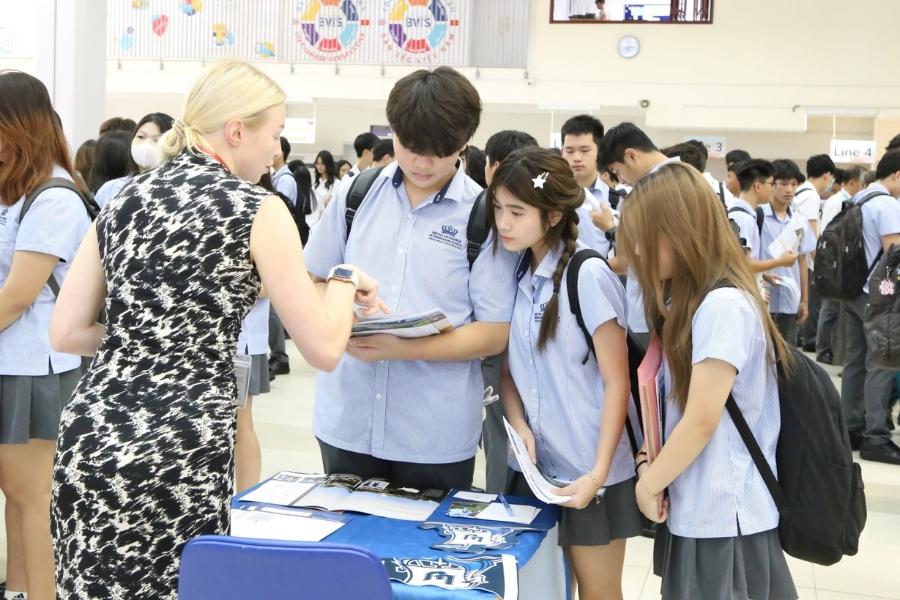
BVIS supports students in exploring their interests and planning their future careers from Secondary School onwards. (Source: BVIS)
>> Explore: Class of 2026: From BVIS to the world's leading universities
Personalised Pathways Through IGCSE and A Level
A key strength of the British curriculum at BVIS Ho Chi Minh City is that students gradually shape their academic pathway around their abilities and interests, from Key Stage 3 through to IGCSE and A Level.
- Key Stage 3, ages 11–14: Students encounter a broad range of subjects within the National Curriculum of England, enabling them to explore interests and recognise strengths.
- IGCSE, ages 14–16: A wide subject choice allows students to select courses aligned with their abilities and passions while building academic foundations, practical skills and experience in fields they enjoy.
- A Level, ages 16–18: Students focus on three or four specialist subjects aligned with their intended field of study and the entry requirements of target universities.
Throughout this process, teachers and the University and Careers Guidance Team support students in selecting appropriate subjects, developing their strengths and preparing for university in the United Kingdom, the United States, Canada, Australia and many other countries.
>> Learn more:
- What is A Level? A Complete Guide for Parents
- What Is the IGCSE Curriculum? Subjects, Standards & Benefits
Career Exploration Through Real-World Experiences
As technology and artificial intelligence develop rapidly, future success will depend not only on specialist knowledge but also on the skills that help students adapt to change.
Alongside the academic programme, BVIS develops critical thinking, problem-solving, creativity, communication, collaboration and leadership through project-based learning, student leadership, sport and performing arts, including opportunities created through Nord Anglia Education’s collaborations with global organisations. These experiences help students build confidence, adaptability and a global outlook, preparing them for university and a wide range of future careers.
>> Read more: Five Benefits of Residential Trips and Field Trip for BVIS HCMC Students
Future-Ready Skills Through Academic and Extracurricular Experiences
As technology and artificial intelligence develop rapidly, future success will depend not only on specialist knowledge but also on the skills that help students adapt to change.
Alongside the academic programme, BVIS develops critical thinking, problem-solving, creativity, communication, collaboration and leadership through project-based learning, student leadership, sport and performing arts, including opportunities created through Nord Anglia Education’s collaborations with global organisations. These experiences help students build confidence, adaptability and a global outlook, preparing them for university and a wide range of future careers.
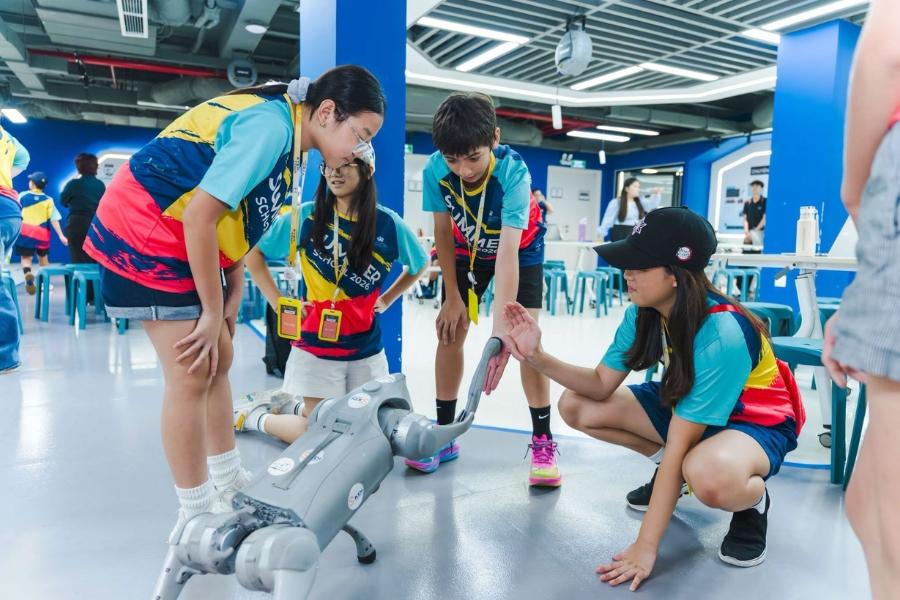
BVIS students explore technology and interact with an AI robot during an educational visit (Source: BVIS HCMC)
Frequently Asked Questions About Career Guidance
When Should Career Guidance Begin?
Parents can begin supporting career exploration from an early age through activities that reveal children’s interests and strengths and provide varied experiences. Guidance should, however, be age-appropriate and does not mean requiring a young child to choose a particular occupation. As students grow older, the process can develop into more detailed decisions about subjects, university courses and suitable pathways.
Should Parents Choose a Career for Their Child?
Parents should not make the entire career decision on their child’s behalf. They can share experience, provide information, offer perspectives and analyse the advantages and limitations of different options together. The final direction should reflect the student’s abilities, interests and goals. This approach encourages ownership and responsibility.
How Will AI Affect Future Careers?
AI is changing how people work, particularly in relation to repetitive tasks or work that technology can process. At the same time, AI is creating new roles and fields that require people to use technology while applying critical thinking, creativity, communication and adaptability. Instead of preparing only for one occupation, students should build broad foundations in knowledge and skills that enable them to respond to the future labour market.
>> Read more: AI in education: Practical applications of AI in teaching and learning
Career guidance is a journey that helps students understand themselves, identify strengths, experience different fields and gradually build a suitable academic pathway. As AI and technology transform the world of work, preparing for the future involves more than selecting one occupation. It also requires adaptability, creativity, problem-solving and a commitment to continuous learning.
At BVIS Ho Chi Minh City, career guidance goes beyond helping students choose a university course or occupation. It supports every student in understanding themselves, developing individual strengths, creating an appropriate academic pathway and preparing for future opportunities. Families who would like to learn more about the BVIS curriculum and student development pathway are welcome to contact the school for guidance and support.
- Campus address: 44–46 Street No. 1, Binh Hung Residential Area, Binh Chanh District, Ho Chi Minh City.
- Opening hours: Monday - Friday (8:00 AM – 5:00 PM)
- Hotline:
- Primary: +84 (28) 3758 0709 ext. 111
- Secondary: +84 (28) 3758 0717 ext. 211
- Email: admissions@bvisvietnam.com