


What Is Talent? Types of Talent and How to Discover Your Child’s Potential

What Is Talent?
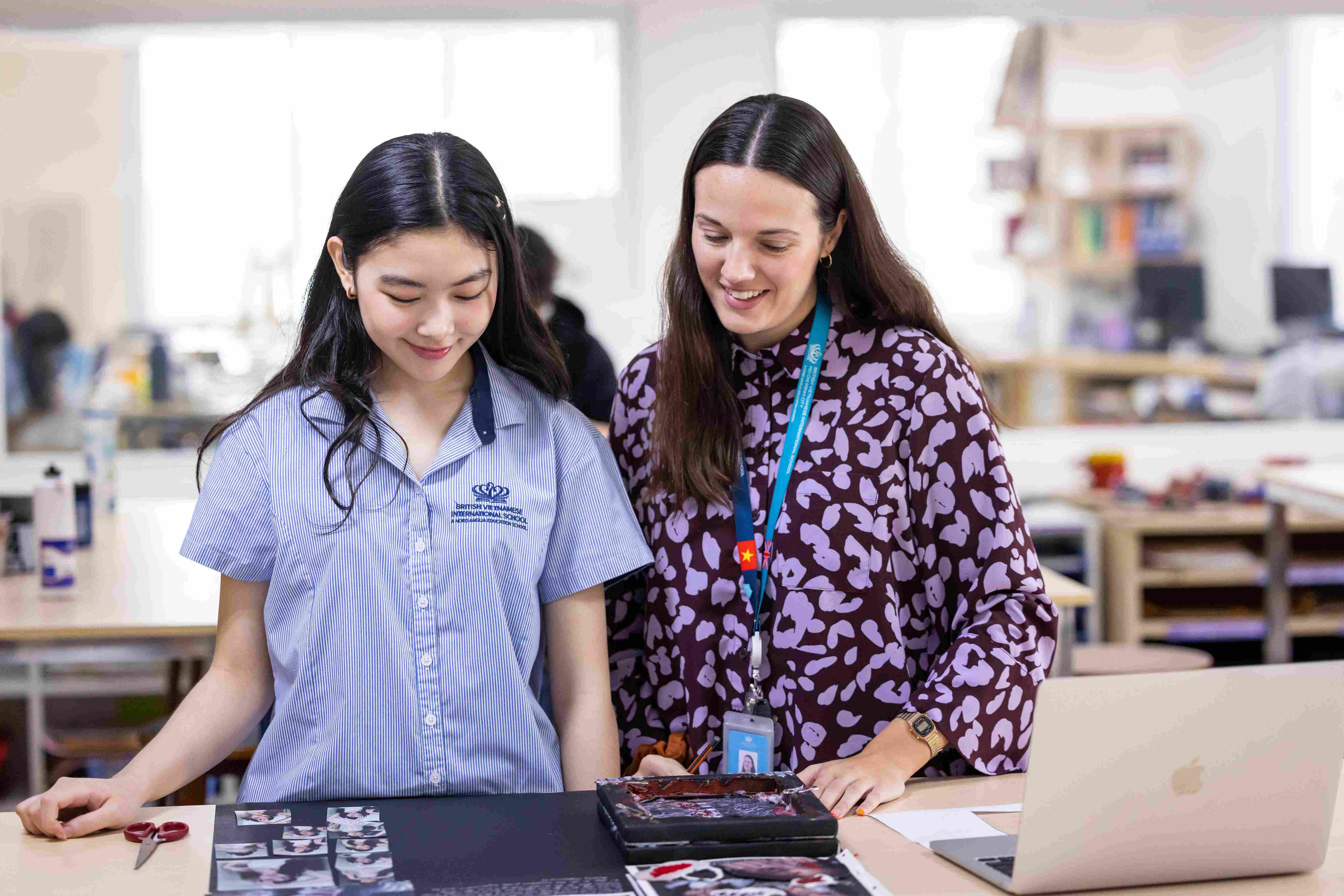
Talent refers to a distinctive ability, natural aptitude or emerging strength that enables a child to perform certain physical or intellectual activities particularly well compared with others of a similar age.
In children, talent or natural aptitude may be reflected in rapid learning, sustained interest or a tendency to explore a particular area independently. These signs are not always immediately apparent and may change as a child develops. Parents should therefore distinguish natural potential from a temporary interest or an acquired skill, while recognising the important role that experience, practice and the learning environment play in developing a child’s strengths.
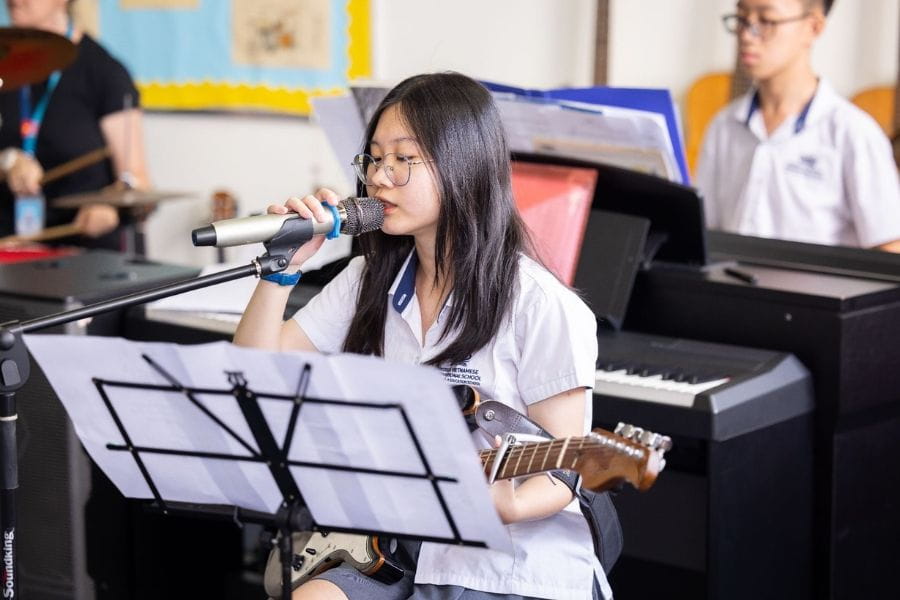
Every child has individual talents and aptitudes, which may emerge in the arts, languages, technology, sport or leadership. Meaningful experiences help children discover and develop this potential (Source: BVIS)
How Can Parents Recognise Their Child’s Talents and Aptitudes?
Recognising a child’s potential early can help parents provide suitable educational guidance and make the most of important developmental years. Parents may notice signs such as:
- Sustained interest in an activity: A child repeatedly chooses a favourite activity, spends time learning about it and wants to continue even without adult guidance. Examples may include drawing, building models or exploring the natural world for extended periods.
- Independent exploration and practice: When interested in an area, a child may ask questions, seek information or experiment with new approaches. This initiative suggests strong motivation to explore and develop ability through experience.
- Rapid learning or noticeable progress in one area: A child may grasp new knowledge, patterns or techniques quickly and improve through practice. The rate of progress will also depend on experience, the learning environment and opportunities to practise.
- A desire for greater challenge and deeper exploration: Instead of repeating familiar tasks, a child may seek more complex activities, investigate why something happens or try several ways to solve a problem. This can indicate a desire to deepen understanding and develop ability in that area.
Common Types of Talent and Aptitude in Children
Children’s talents and aptitudes may emerge across many areas, from the arts and languages to technology, sport and social interaction. Every child has individual strengths and may demonstrate potential in one or several fields. The following categories can help parents create opportunities for exploration and development.
Artistic Talent
Artistic talent involves the ability to appreciate, create and communicate ideas or feelings through different art forms. Examples include:
- Musical talent: An ability to recognise melody and rhythm, remember songs or reproduce sounds. A child may enjoy singing, playing an instrument, humming original melodies or quickly memorising a piece of music.
- Visual-art talent: An ability to observe images, understand colour and form, and communicate ideas visually. A child may enjoy drawing, combining colours, modelling clay, making crafts or creating imaginative products.
- Performance talent: An ability to express feelings, take on roles and communicate content to an audience. A child may enjoy acting, dancing, storytelling or portraying characters confidently in performance activities.
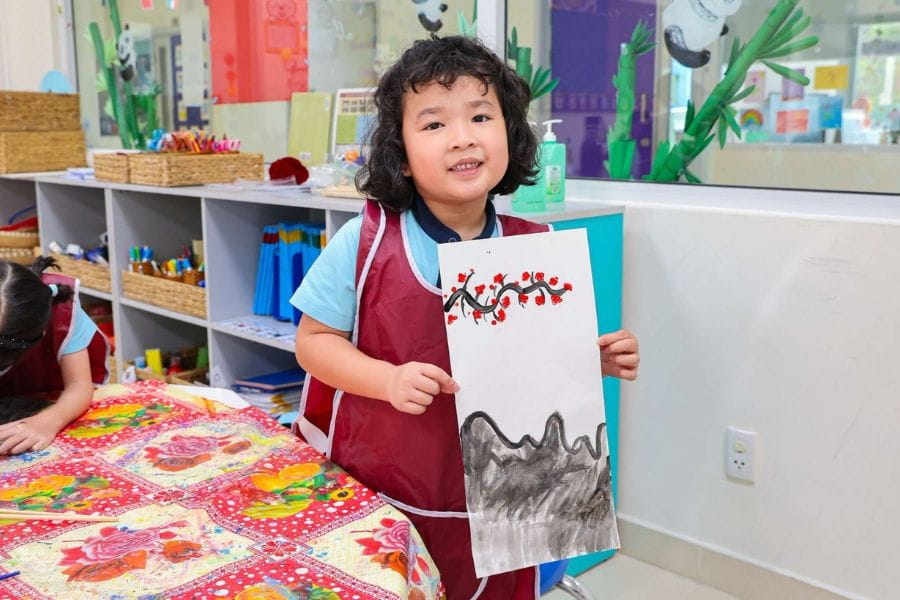
Children with visual-art talent often express a rich imagination through creative and colourful artwork (Source: BVIS)
>> Discover: The Importance of Music in Education
Language and Communication Talent
Language and communication talent relates to acquiring language, expressing ideas and communicating information clearly and flexibly in different situations. Examples include:
- Foreign-language talent: Sensitivity to sounds, pronunciation, vocabulary and the structure of a new language. A child may remember new words easily, imitate pronunciation or use another language independently in appropriate situations.
- Public-speaking talent: An ability to organise ideas, present viewpoints clearly and use reasoning to persuade an audience. A child may enjoy debating, explaining opinions or presenting to a class.
- Storytelling talent: An ability to build plots, develop characters and recount events in an engaging sequence. A child may frequently imagine stories, create alternative endings or retell content in an individual way.
- Writing talent: An ability to express thoughts, feelings and ideas through words. A child may enjoy writing stories or poetry, composing song lyrics or recording observations.
>> Learn more: What is Critical Thinking? 7 Effective Ways to Develop Critical Thinking Skills in Children
Creative and Technological Talent
Creative and technological talent may appear through curiosity about how things work, the ability to generate new ideas and an interest in solving problems through logical thinking or technological tools. Examples include:
- Design talent: An ability to visualise products and combine colour, form and materials into a coherent idea. A child may enjoy fashion design, decorating spaces, sketching concepts or creating objects from familiar materials.
- Programming talent: An interest in logic, sequence and how commands work together to produce an outcome. A child may enjoy building simple games, exploring how applications function or debugging code.
- Robotics talent: An interest in mechanical systems, construction and robot control. A child may enjoy exploring how components work, assembling models from instructions or experimenting with ways to make a robot complete a task.
- Problem-solving talent: An ability to identify a problem, analyse its causes and consider several possible solutions. A child may independently try a different approach, ask questions to find an answer or adjust a solution after reviewing the result.
Sporting and Physical Talent
Sporting and physical talent may be reflected in a child’s coordination, movement control, ability to learn new techniques and adaptability when taking on physical challenges. Examples include:
- Swimming talent: An ability to coordinate movement, adapt to the water and learn swimming techniques. A child may progress steadily when practising movements and controlling breathing under guidance.
- Football talent: An ability to control the ball, observe the flow of play, anticipate situations and coordinate with teammates. A child may also seek opportunities to practise and improve technique.
- Basketball talent: Strong hand-eye coordination, ball control, spatial awareness and responsiveness to changing situations on the court.
- Martial-arts talent: An ability to remember techniques, coordinate the body, control movement and learn new skills. Practice can also develop discipline, concentration and adherence to safety guidance.
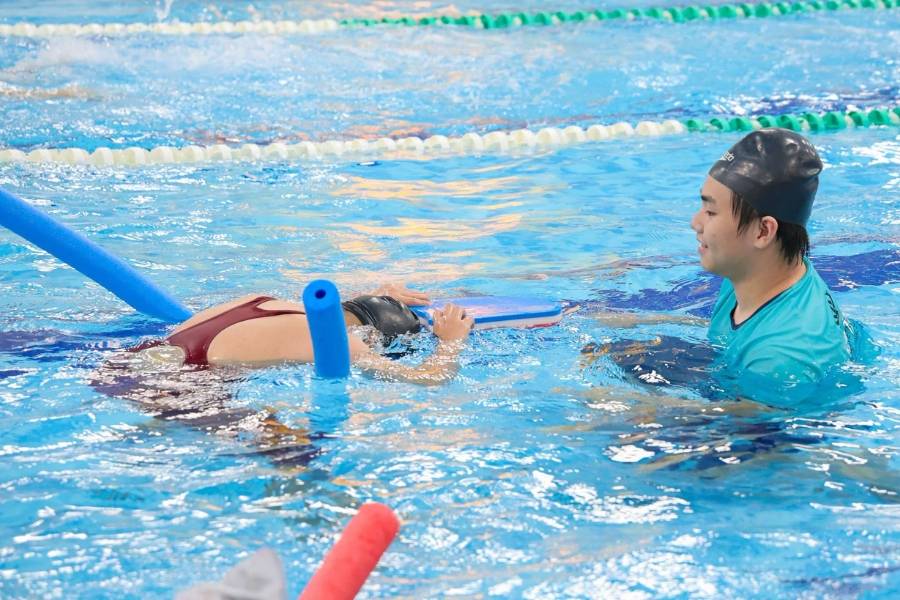
Children with swimming talent can develop stamina and coordination while also building perseverance, confidence and the ability to overcome challenges (Source: BVIS)
>> Learn more:
- The importance of play in child development
- Top 5 Essential Life Skills for Children to Build Confidence and Independence
Leadership and Social Talent
Leadership and social talent may appear through the ability to connect with others, collaborate in group activities, organise tasks and encourage people to work towards a shared goal. Examples include:
- Communication talent: An ability to express ideas, listen and adapt communication to the situation. A child may initiate conversations, share ideas or find ways to explain something clearly.
- Collaboration talent: An ability to work with others, share responsibility and contribute towards a common goal. A child may support friends, listen to different opinions and help the group resolve disagreements.
- Organisational talent: An ability to plan, arrange tasks and distribute responsibilities. A child may enjoy organising games, preparing group activities or sequencing steps to complete a task.
- Group-leadership talent: An ability to propose ideas, encourage participation and help a group work effectively. A child may take responsibility, help members agree on a goal or support the group in overcoming difficulties.
>> Learn more: What are communication skills? 7 Effective Ways to Improve Children's Communication Skills
How Can Parents Nurture Their Child’s Talent?
Recognising talent is only the beginning. To help children fulfil their potential, parents need to provide appropriate support. The following approaches can encourage children to explore their interests and develop their abilities over time.
Encouragement Without Pressure
Talent should develop through a child’s willingness, curiosity and natural enjoyment. Excessive expectations, demanding practice schedules or a strong focus on achievement can lead to resistance and gradually diminish the child’s original enthusiasm.
>> Read more: Peer pressure: Causes and consequences for children's health and mental well-being.
Opportunities to Explore and Try New Experiences
Parents can introduce children to activities in the arts, sport, science and technology so that they can explore new areas. After each experience, parents can observe the child’s level of interest and progress. If a particular talent or aptitude does not emerge immediately, patience and further opportunities are more helpful than reaching an early conclusion about the child’s potential.
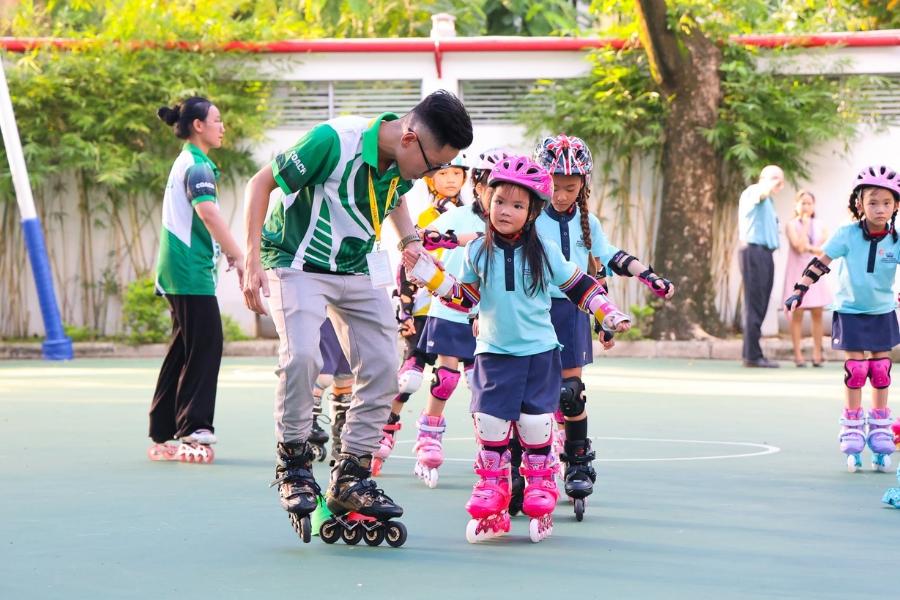
Opportunities to progress from basic skills to new challenges, such as roller skating, help children discover their abilities and develop perseverance (Source: BVIS)
Recognition of Progress, Not Only Achievement
Achievement is not the only measure of ability. Parents should acknowledge effort, perseverance and improvement throughout the learning and practice process. Specific encouragement when a child overcomes a difficulty or improves a skill can build confidence and reinforce the value of sustained practice.
A Healthy Balance Between Learning and Talent Development
Even when a child shows exceptional ability in one field, balanced development in foundational knowledge, physical health and emotional wellbeing should remain a priority. Parents can help children manage their time so that developing a talent does not come at the expense of academic learning, rest or age-appropriate play and recreation.
Partnership Throughout the Journey of Self-Discovery
Parents should talk regularly with their child, listen to their experiences and work with teachers to understand development more fully. When interests change or a child wants to try a new field, an open and supportive response creates space for exploration. Respectful partnership helps children understand themselves, make decisions confidently and gradually fulfil their potential.
>> Learn more:
- What Are Life Skills? The Role of Life Skills Education in Child Development
- Soft Skills: 8 Essential Soft Skills and Their Importance for Students
How Does BVIS HCMC Help Students Discover and Develop Their Talents?
Alongside academic learning, opportunities to explore interests and develop individual strengths are an important consideration for families choosing an educational environment.
At British Vietnamese International School (BVIS) Ho Chi Minh City, students can discover and develop their strengths across the arts, STEAM, sport and leadership through a varied curriculum, extracurricular activities and practical experiences.
Opportunities to Explore a Wide Range of Fields
BVIS Ho Chi Minh City enables students to experience fields ranging from academics and the arts to sport, technology and leadership. With more than 130 extracurricular activities, students can try new interests, discover their strengths and identify areas that suit them.
Through this variety of experiences, students also develop creativity, communication, collaboration and problem-solving. More importantly, they gain a clearer understanding of what they do well, what they enjoy and where they may develop further, rather than viewing their abilities only through academic results.
Nurturing Talent Through Specialist Experiences
BVIS Ho Chi Minh City is part of Nord Anglia Education, whose international educational collaborations include The Juilliard School, MIT and IMG Academy.
- The Juilliard School: Provides opportunities for students to explore music, dance and drama through arts experiences aligned with the curriculum.
- MIT: Encourages students to connect science, technology, engineering, the arts and mathematics through inquiry, creativity and problem-solving.
- IMG Academy: Supports the development of sporting ability, teamwork and the skills needed for effective training.
Through these experiences, students can engage with different fields, understand their abilities more fully and identify suitable directions for development.

Every competition and experiential activity gives BVIS Ho Chi Minh City students an opportunity to challenge themselves, discover their strengths and express their individuality with confidence (Source: BVIS)
Developing Talent into Practical Capability
To develop talent, students need opportunities to apply knowledge and skills in real-life situations. At BVIS Ho Chi Minh City, students are encouraged to take part in academic projects, arts performances, sporting competitions, leadership challenges and community-service activities.
Through preparation, practice and reflection on results, students can build confidence, perseverance, collaboration and responsibility. These experiences also help them understand their strengths, identify areas for improvement and apply their abilities in different contexts.
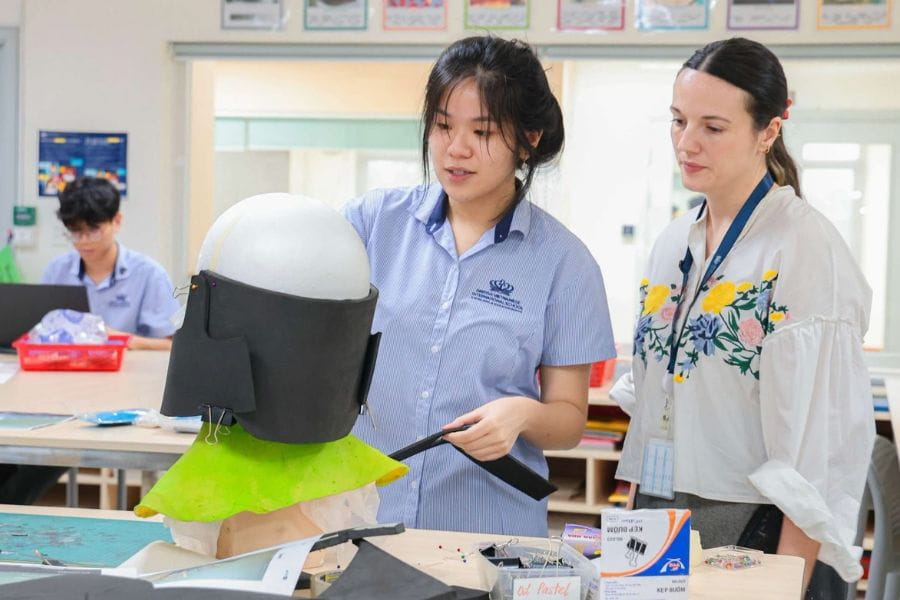
BVIS Ho Chi Minh City students demonstrate creativity and design thinking through hands-on model-building projects in class (Source: BVIS)
Connecting Talent with Academic and Future Pathways
A clearer understanding of personal interests and strengths enables students to make academic choices aligned with long-term goals. At BVIS Ho Chi Minh City, students receive support in selecting IGCSE and A Level subjects and connecting these choices with possible university courses and future careers. This process requires collaboration between the student, family and guidance team so that decisions reflect each student’s abilities, interests and goals.
>> Explore more:
- What Is the IGCSE Curriculum? Subjects, Standards & Benefits
- What is A Level? A Complete Guide for Parents
Frequently Asked Questions About Talent
Is Talent Innate?
Talent may be influenced by innate factors, but it is not determined entirely by genetics. A child’s environment, opportunities, guidance and practice all contribute to the development of ability. Parents should therefore create opportunities for children to explore different fields rather than assume that talent is fixed from birth.
What Is the Difference Between Talent, Aptitude and Strength?
Talent is a noticeable or emerging ability in a particular field, while aptitude refers to a child’s natural capacity to learn or perform well in that area. Strength is something a child already does well through a combination of ability, knowledge, practice and experience. Natural aptitude may develop into talent, and talent may become an established strength when it is appropriately nurtured and practised. However, this development is not automatic.
At What Age Can Children Begin to Show Talent or Natural Aptitude?
Children may show talent or natural aptitude from a very early age. Signs may appear between the ages of two and four in areas such as music, movement, spatial awareness and language. Aptitudes involving more complex thinking, including logical-mathematical reasoning, programming, artistic creativity and leadership, often become more visible between the ages of six and twelve as children experience a broader learning environment.
Should Children Take Several Talent-Development Classes at the Same Time?
Parents can allow children to try several activities in order to discover their interests, but should consider the child’s age, needs and schedule. Too many commitments may reduce time for rest, play or academic work. Parents should discuss options with their child, select suitable activities, monitor interest and make adjustments when necessary.
What Role Does the School Play in Recognising and Developing Talent and Aptitude?
A school can introduce children to many fields through the curriculum, extracurricular activities, projects and practical experiences. Teachers can observe how children learn, solve problems, interact and express themselves to identify emerging talents, natural aptitudes and potential strengths. By working with families, the school can help children select suitable activities, develop skills and gradually shape an academic pathway based on individual interests and abilities.
>> Learn more:
- What Is Personalised Learning? Benefits of a Personalised Approach to Education
- AI in education: Practical applications of AI in teaching and learning
Every child has individual strengths and potential that deserve to be discovered, encouraged and nurtured appropriately. Rather than imposing expectations, parents can create opportunities for exploration, support sustained practice and help children develop confidently at their own pace. Through a learning environment rich in varied experiences, BVIS Ho Chi Minh City gives students opportunities to explore interests, develop individual strengths and establish foundations for future academic pathways. Families who would like further information can contact the school through the options below.
- Campus address: 44–46 Street No. 1, Binh Hung Residential Area, Binh Chanh District, Ho Chi Minh City.
- Opening hours: Monday - Friday (8:00 AM – 5:00 PM)
- Hotline:
- Primary: +84 (28) 3758 0709 ext. 111
- Secondary: +84 (28) 3758 0717 ext. 211
- Email: admissions@bvisvietnam.com
Related news
 Blog | Educational Insights
 Blog | Educational Insights
 Blog | Educational Insights


