


Peer Pressure: Causes and Effects on Children’s Health and Wellbeing

- What is Peer Pressure?
- Signs That a Child May Be Experiencing Peer Pressure
- Why Are Children Vulnerable to Peer Pressure?
- How Can Peer Pressure Affect Children?
- How Can Parents Help Children Cope with Peer Pressure?
- How Does BVIS Ho Chi Minh City Help Students Manage Peer Pressure?
- Frequently Asked Questions About Peer Pressure
What is Peer Pressure?
Peer pressure occurs when children feel influenced or pushed to think, behave or change themselves in order to match their friends or others of a similar age. This often stems from a desire to be accepted, fit in or avoid criticism. The need to belong can feel especially strong during the school years. Children may worry about standing out or feeling out of place, and the desire for acceptance can lead them to put aside their own interests, hide how they truly feel or follow the standards and trends set by their friendship group.
Peer influence can also be positive. Friends may encourage one another to work harder, develop new skills or try unfamiliar activities. The problem arises when children feel they need to change who they are in order to be valued. Helping children recognise that everyone has different strengths and develops at their own pace allows them to learn from their peers without losing their sense of self.
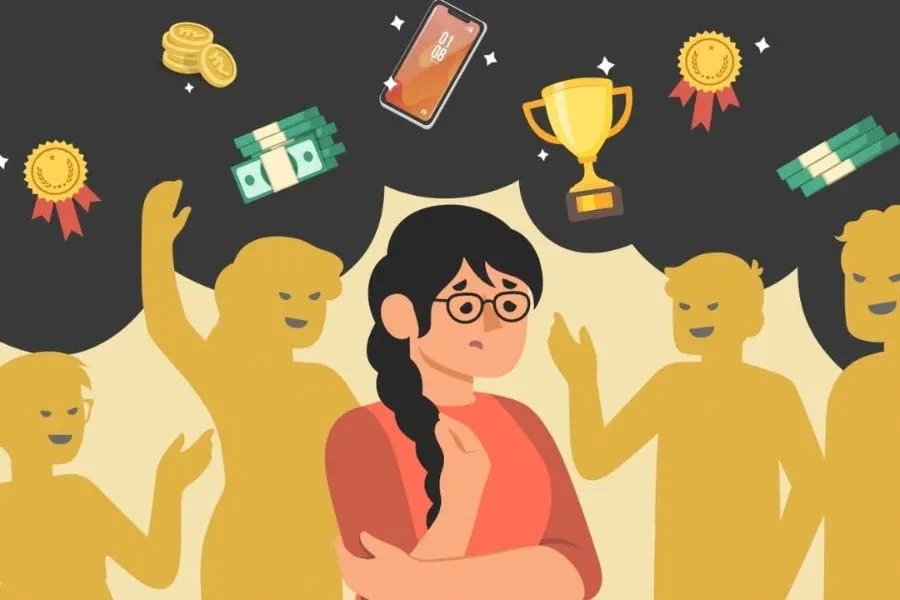
Peer pressure can lead children to doubt themselves when comparing their achievements, appearance, possessions or level of recognition with those of their friends. (Source: Internet)
Signs That a Child May Be Experiencing Peer Pressure
Children may not say directly that they are struggling with peer pressure. Instead, it can show in the way they talk about themselves, respond to their friends’ achievements or behave from day to day. Parents may notice the following signs.
Frequent Comparisons with Friends
Children may begin to judge their own worth against their friends’ results, appearance or possessions. A higher mark achieved by a classmate may make them believe they are not academically capable, while a more popular friend may leave them feeling uninteresting. Even when they are making real progress, it can be difficult for them to recognise it because they remain focused on what others appear to do better.
Excessive Concern About Achievement or Personal Image
Fear of judgement may lead children to study excessively, become preoccupied with their appearance or feel they must keep up with every new trend. They may become deeply upset by a test result that is lower than a classmate’s, worry constantly about how they look or insist on owning an item that is popular within their group because they are afraid of seeming out of date.
Fear of Judgement or Being Left Behind
To protect a friendship, children may agree to things they do not really want to do. They may join an activity reluctantly, find it difficult to say no to a friend or change their opinion to avoid being teased or excluded. Missing an invitation or seeing friends share new experiences can also leave them worried that they are being left behind.
Changes in Emotions, Behaviour or Relationships
Over time, peer pressure may show through irritability, sadness or a growing reluctance to talk with parents. A child might become unusually quiet after school, complain often about friends, lose interest in a favourite sport or suddenly move away from long-standing friendships in an effort to fit in with a different group.
>> See also:
- What Is an International School? Understanding the Different Types of Schools
- Understanding the student experience in the first years at an international school
Why Are Children Vulnerable to Peer Pressure?
Children and teenagers are particularly susceptible to peer pressure because developmental needs, social expectations and technology all shape how they see themselves and others. Common causes include:
- The psychological need to belong: During development, social connection becomes highly important. Children want to be accepted and recognised by friends and may strongly fear isolation, difference or being left behind.
- Social media and a culture of comparison: Digital platforms create an environment in which comparison can continue around the clock. Children repeatedly encounter carefully selected images, achievements and lifestyles, and may feel pressure to keep up with these standards.
- Expectations from family, school and society: When adults place excessive emphasis on achievement or scores, or frequently compare children with others, peers can become a source of pressure and children may fear being judged as inadequate.
- An emerging personal value system: During this transitional period, confidence and identity may still be developing. When children have not yet recognised their own value or strengths, they may be more easily influenced by the opinions of others and compromise their preferences to follow the group.
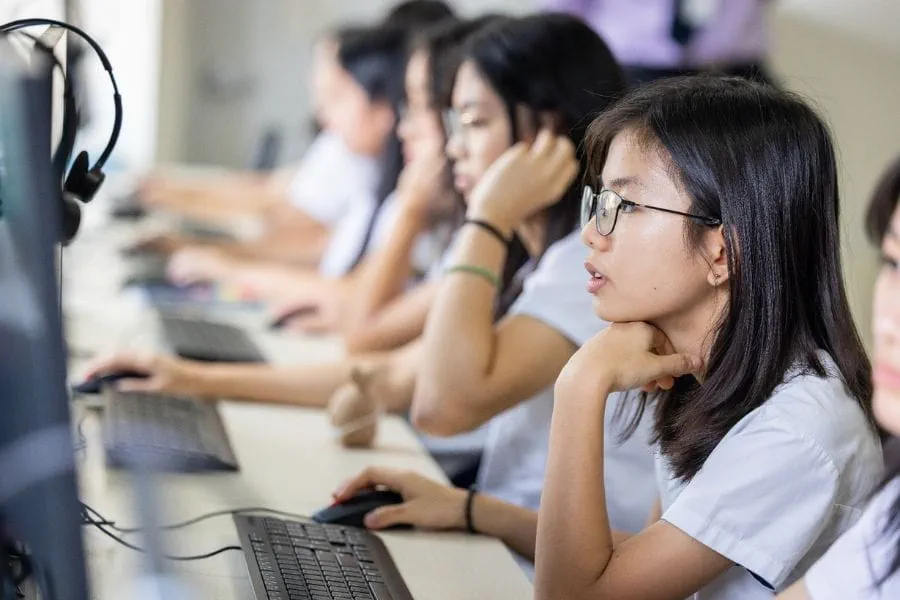
Social media can encourage children to compare their appearance, achievements and lifestyles with those of their friends, contributing to self-doubt and pressure to keep up. (Source: BVIS Ho Chi Minh City)
How Can Peer Pressure Affect Children?
When peer pressure continues without appropriate support, it can affect a child’s physical health, emotional wellbeing and wider development.
Effects on Mental and Emotional Wellbeing
Children who frequently feel inadequate or excluded may experience stress, anxiety, low mood and reduced self-esteem. Some become highly self-critical, fear making mistakes or remain disappointed even after achieving something significant. Prolonged pressure can also disrupt sleep, drain energy and reduce enjoyment of everyday activities. In some cases, these difficulties may be accompanied by symptoms of anxiety or depression.
Effects on Learning and Concentration
Worrying about judgement or failure can make it harder for children to concentrate, ask questions or experiment with new ways of learning. Constant comparison with friends may reduce motivation and limit creativity. If academic results begin to decline, this may reflect stress and emotional pressure rather than a lack of ability.
Effects on Relationships and Decision-Making
The desire to be accepted can lead children to follow the group even when they know that a choice is wrong. They may try smoking, cheat in an examination or take part in cyberbullying simply because they fear exclusion. They may also leave close friendships behind in order to gain entry to another group. Over time, this can make it harder to set personal boundaries, maintain healthy relationships and make decisions independently.
>> Explore more:
- What Are Life Skills? The Role of Life Skills Education in Child Development
- What are communication skills? 7 Effective Ways to Improve Children's Communication Skills
- Soft Skills: 8 Essential Soft Skills and Their Importance for Students
How Can Parents Help Children Cope with Peer Pressure?
Families play a central role in helping children cope with peer pressure. The following approaches can strengthen confidence, reinforce a child’s sense of self-worth and help them respond to pressure from friends in healthier ways.
Acknowledging and Listening to Their Feelings
When children say they feel less successful than their friends or worry that a group will not accept them, parents should listen before trying to solve the problem. Saying, “There’s nothing to be upset about,” may unintentionally make children feel that their emotions have been dismissed.
A more helpful response is to ask an open question such as, “What is making you feel most under pressure?” Parents can also acknowledge the feeling directly: “I understand that you’re feeling upset and worried.” When children feel heard rather than judged, they are more likely to speak openly.
Focusing on Personal Progress Rather Than Comparison
Parents should encourage children to recognise their own progress instead of focusing only on their friends’ achievements. Helpful approaches include:
- Recognising effort: Praise perseverance, willingness to learn and genuine progress rather than focusing only on marks or awards.
- Avoiding comparisons: Do not compare a child with friends or siblings. Instead, discuss how the child has improved over time.
- Nurturing a growth mindset: Help children understand that ability can improve through practice and learning from mistakes.
- Setting appropriate goals: Encourage children to define goals based on their own abilities, interests and aspirations rather than other people’s expectations.
Exploring Individual Strengths and Values
Every child has different interests, abilities and a different pace of development. Some thrive academically, while others show strengths in the arts, sport, communication, creativity or problem-solving. Not reaching one particular milestone or achievement does not mean that a child lacks ability.
Offering a wide range of experiences allows children to discover what they enjoy and which skills they would like to develop. When they find an area that suits them, they can experience genuine progress, learn to persevere and build confidence on a firmer foundation.
Supporting Responsible Social Media Use
Social media can help children stay connected, explore their interests and discover new ideas. Without healthy boundaries, however, it can also draw them into constant comparison with other people’s images, achievements and lifestyles. Families can establish habits such as:
- Setting age-appropriate limits on social media use.
- Protecting time for sleep, study, physical activity and face-to-face experiences.
- Unfollowing or limiting accounts that repeatedly trigger anxiety or self-doubt.
- Avoiding the sharing of personal information or participation in dangerous online challenges.
- Encouraging children to speak with a trusted adult when content or interactions make them uncomfortable.
Just as importantly, parents should model balanced digital habits and avoid blaming children when problems arise. The goal is to help them recognise harmful influences, regulate their own behaviour and use social media responsibly.
>> Read more: AI in education: Practical applications of AI in teaching and learning
Positive Relationships and Supportive Environments
In a healthy friendship, children feel respected, can speak honestly and do not need to change themselves to earn acceptance. Parents can help them distinguish between relationships that encourage and support them and those that repeatedly leave them fearful, pressured or feeling that they are not good enough.
Extracurricular activities, clubs and communities aligned with a child’s interests can provide opportunities to meet others with similar interests, practise collaboration and develop a wider support network beyond the classroom.
If a child is finding it difficult to make friends or is being isolated, parents should work with teachers to understand the situation and provide support. Children also need guidance in setting boundaries, refusing inappropriate requests and seeking help when they feel unsafe.
>> Read more:
- How academic progress is monitored and supported over time
- How to recognise strong teaching quality in international schools in Vietnam
How Does BVIS Ho Chi Minh City Help Students Manage Peer Pressure?
Alongside support at home, the educational environment plays an important part in how children understand themselves and form relationships. A positive school experience is about more than academic achievement. It should also help students recognise their strengths, develop emotional awareness and feel that they are valued.
At British Vietnamese International School (BVIS) Ho Chi Minh City, student development is considered across academic learning, skills, creativity and mental wellbeing. Together, these areas give students opportunities to build confidence and progress according to their individual abilities.
Confidence in Individual Value Development
At BVIS, each student’s individuality is recognised and valued. The school’s open, multicultural community gives different personalities, interests and perspectives room to grow without fear of judgement or labels. Experienced teachers pay close attention to each student’s progress, identify emerging strengths and reinforce an important message: success does not require anyone to become a copy of somebody else.
Opportunities to Succeed in Individual Ways
Students can explore a broad range of opportunities across academics, the arts, sport, leadership and extracurricular activities. One student may find a voice through the Student Council, another through performance and another on the sports field. BVIS does not define success through a single standard or formula. Effort and progress are recognised in every area, including the small steps that build confidence over time.
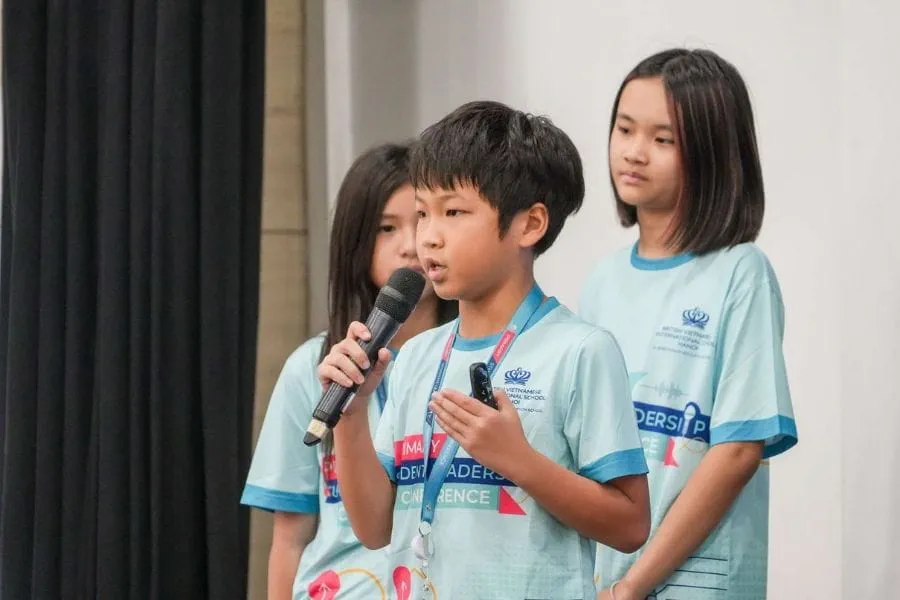
BVIS students confidently present ideas at a young leadership conference, developing communication, presentation skills and the confidence to express their views. (Source: BVIS Ho Chi Minh City)
Positive Pastoral Care Programme
BVIS embeds a structured Pastoral Programme into everyday school life, helping students develop the emotional resilience to navigate change and pressure. Open discussions, school counselling and practical life-skills activities teach students to recognise their emotions, manage stress in healthy ways and recover with confidence after setbacks.
>> Discover more: Top 5 Essential Life Skills for Children to Build Confidence and Independence
Partnership with Students and Families
BVIS maintains open, honest communication with families. Teachers and parents work together to follow both academic progress and changes in a student’s emotional wellbeing. If signs of worry, anxiety or emotional difficulty emerge, the school and family can respond early, listen carefully and agree on support that is timely, sensitive and appropriate.
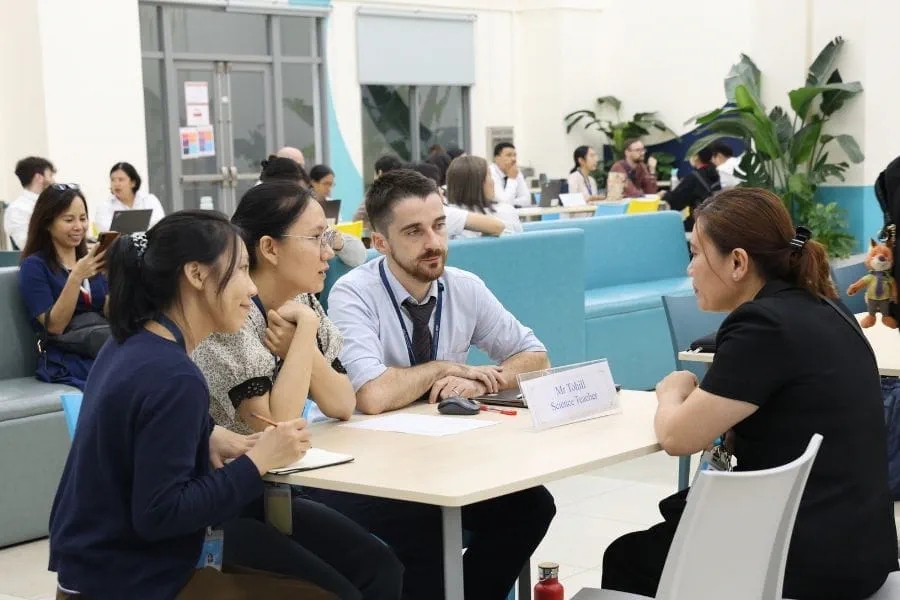
BVIS encourages collaboration between teachers and parents through open conversations about students’ learning and mental wellbeing. (Source: BVIS Ho Chi Minh City)
>> Explore: The importance of Home – School links to children’s development
Frequently Asked Questions About Peer Pressure
How Does Social Media Affect Peer Pressure?
Social media can intensify peer pressure when children regularly compare their appearance, achievements or experiences with those of friends. Online posts often reflect only a small part of someone’s life, but children may treat them as standards against which to judge themselves. Fear of being left behind or not receiving recognition through likes and comments can also encourage children to follow trends and gradually lose confidence.
How Can Parents Help Children Become More Confident?
Confidence grows when children feel loved, encouraged and accepted at home. Parents can recognise effort rather than focusing only on marks, respect age-appropriate personal choices and allow children to make mistakes and learn how to put them right. Knowing that they are valued without having to be perfect gives children a stronger foundation for facing the world with confidence.
>> See also: How to build confidence: creating an environment that nurtures and inspires
Is Peer Pressure Always Negative?
No. Peer pressure can be positive when friends encourage one another to study, stay active, develop skills or take part in worthwhile activities. It becomes harmful when a child feels coerced, fears exclusion or is expected to act against personal values, needs or safety.
When Should a Child Receive Professional Psychological Support?
Parents should seek professional psychological support when warning signs continue for more than two weeks. These may include sudden weight loss, persistent sleep problems, complete withdrawal to a bedroom, a serious decline in academic performance, self-harming behaviours such as scratching, frequent intense outbursts, or repeated references to hopelessness or life feeling meaningless.
>> See also:
- Is an International School Right for Your Child? Key reason to choose
- How to Choose an International School: 8 Essential tips for Parents
Parents should seek professional psychological support when warning signs continue for more than two weeks. These may include sudden weight loss, persistent sleep problems, complete withdrawal to a bedroom, a serious decline in academic performance, self-harming behaviours such as scratching, frequent intense outbursts, or repeated references to hopelessness or life feeling meaningless.
- Campus address: 44–46 Street No. 1, Binh Hung Residential Area, Binh Chanh District, Ho Chi Minh City.
- Opening hours: Monday - Friday (8:00 AM – 5:00 PM)
- Hotline:
- Primary: +84 (28) 3758 0709 ext. 111
- Secondary: +84 (28) 3758 0717 ext. 211
- Email: admissions@bvisvietnam.com
Related news
Blog | Educational Insights  Blog | Educational Insights
 Blog | Educational Insights
 Blog | Educational Insights


